• Visionista
  • Foreign Resident Acceptance Manual
  • JAC Magazine
  • People who want to work in the Japanese construction industry
  • KEN GI JIN connect people, construction companies, and the world
  • Facebook (for Japanese companies)
  • Facebook (Japanese for foreigners)
  • Instagram
  • Youtube

Examples of companies that employ foreigners

I want to make this a company that attracts talented people from all over the world!

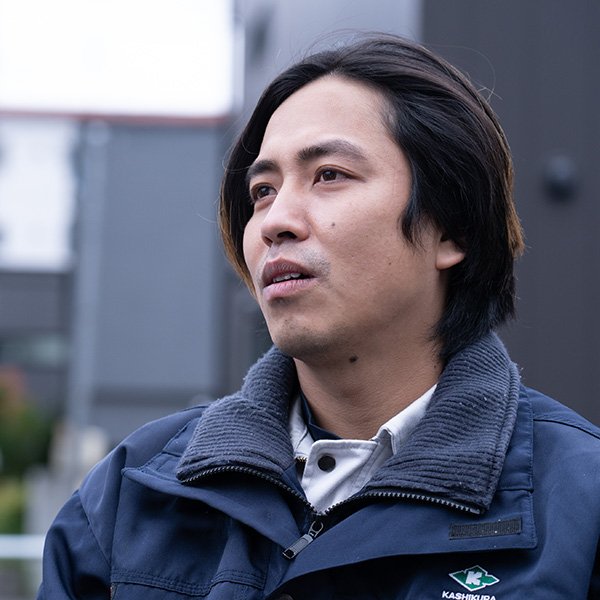
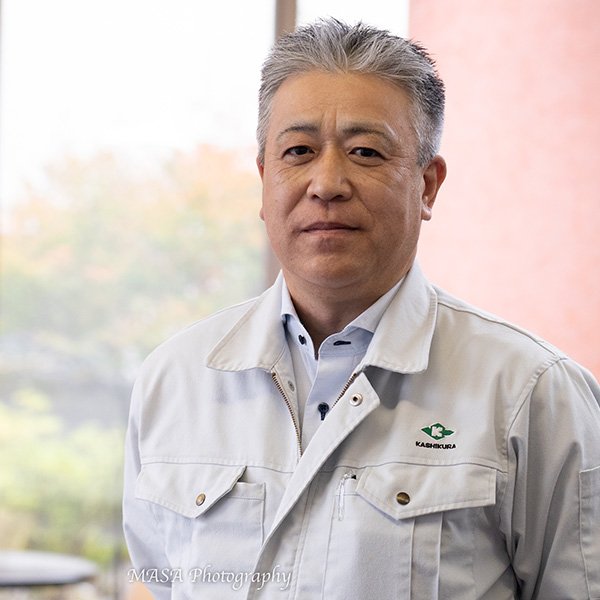
Image: President and CEO Kazuhiro Kashiwakura

Mr. Kazuhiro Kashiwakura, President and CEO of Kashiwakura Construction Co., Ltd.

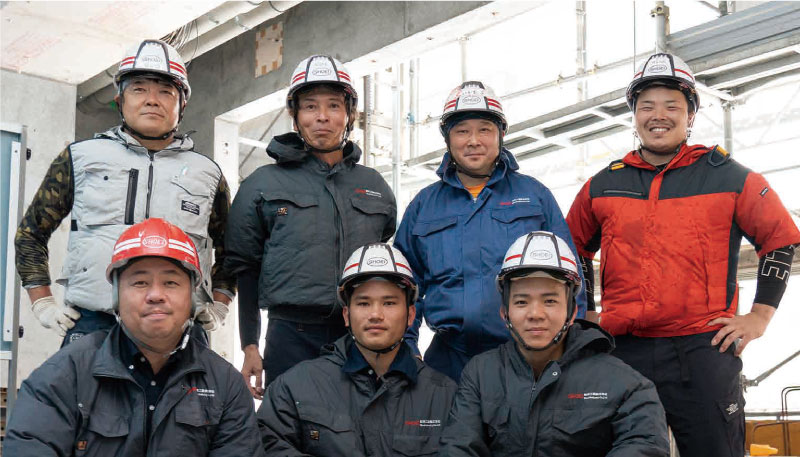
Kashiwakura Construction Co., Ltd. (located in Sapporo, Hokkaido) has been accepting foreign workers since 2013. We introduce the voices of three Vietnamese workers working as formwork craftsmen there, as well as the company's president.

Host company interview

Company Profile

Location: Hokkaido, Sapporo-shi, Toyohira-ku, Tsukikan Higashi 2-6-2-18
Business Description: Framing construction work / Temporary Construction Material Leasing
Website:http://kashikurakk.com

21 foreigners / within 108 employees) Specified Skills 10 / Designated Activities 5 / Technical Intern Training 6 (all Vietnamese)
Image: Kashiwakura Construction Co., Ltd.
  • Recruiting foreigners to revitalize the industry
  • Increased internal competitiveness!
  • Enabling foreigners to advance their careers
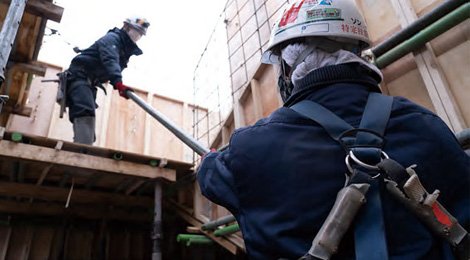
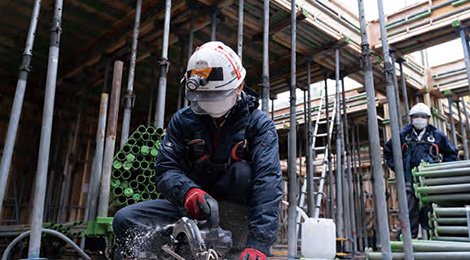
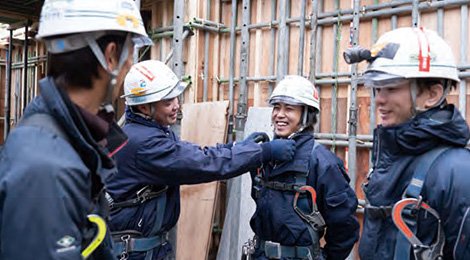
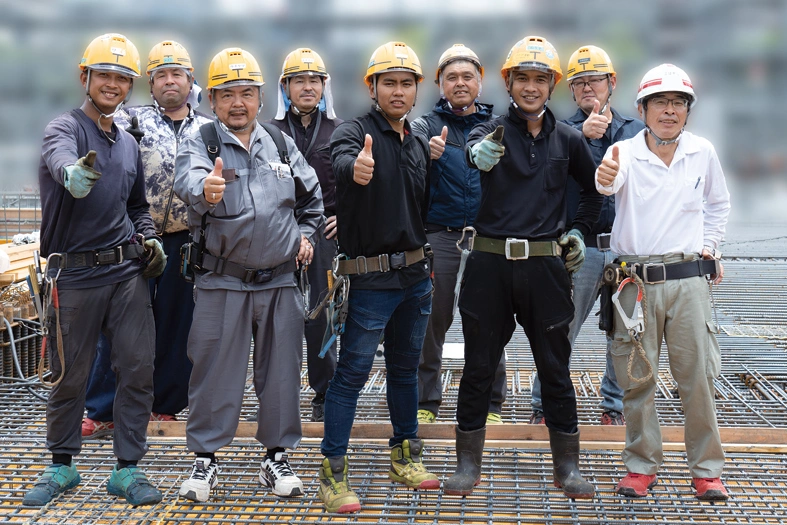
Framing construction work at the scene
Why did you decide to accept?
The construction industry still has a low employment rate and low retention rate, but there are many people around the world who are interested in Japan's construction technology. One of the reasons for this was that I thought that if these people were to work in Japan, they might draw attention to the appeal of the construction industry in Japan as well.
What was good about accepting it?
Work is like sports or hobbies; if you are motivated, you will improve quickly. In that respect, Vietnamese people work with the goal of acquiring skills, so they learn the job quickly. This makes Japanese craftsmen motivated not to lose, and the company's competitiveness has increased.
What are your plans for the future?
My goal is to create a team made up entirely of Vietnamese people, including the foreman. If they know they can advance their careers in Japan, they will be able to broaden their life plans, bringing their families with them and getting married here. Ultimately, this will lead to us being able to attract talented people, so I really want to make this a reality.

Initial deployment
・Securing dormitories (utilizing employee dormitories)
・Providing cooking equipment (rice cooker/IH stove)
etc.
Salary system image
・ Specified Skills (total payment amount) ~270,000 yen/month
Bonus ~ 400,000 yen/year (June ~ 200,000 yen, December ~ 200,000 yen)

・ Designated Activities (total payment) ~240,000 yen/month
Bonus ~ 368,000 yen/year (June ~ 184,000 yen, December ~ 184,000 yen)

・ Technical Intern Training (total payment amount) ~220,000 yen/month
Bonus ~ 25,000 yen/year (August ~ 12,500 yen, December ~ 12,500 yen)
*One take-home is given at 10,000 yen.

Engage in work under the direction of the foreman Specified Skilled Worker
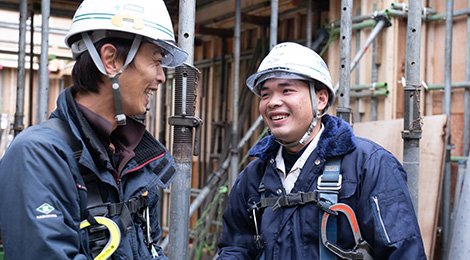
"If there's anything you don't understand, just ask me," says the reliable foreman, Yukawa (left).

Voices of people working on the ground

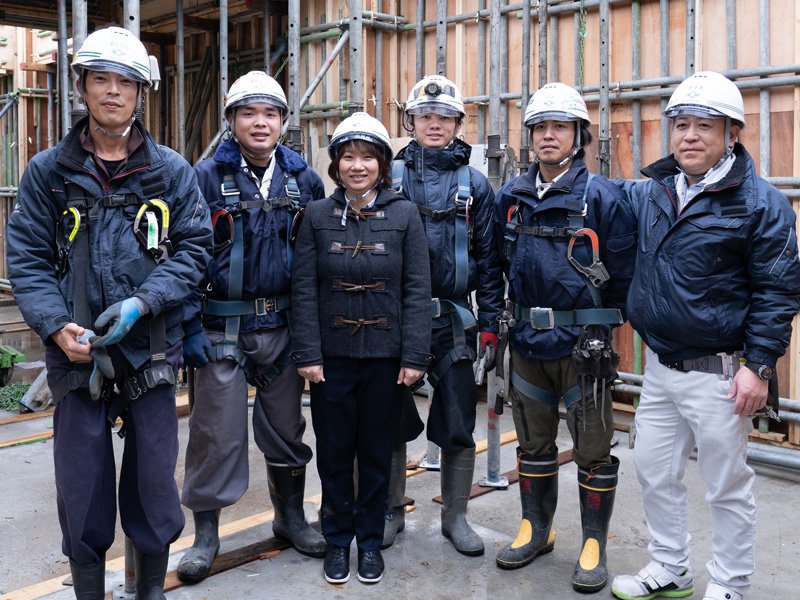
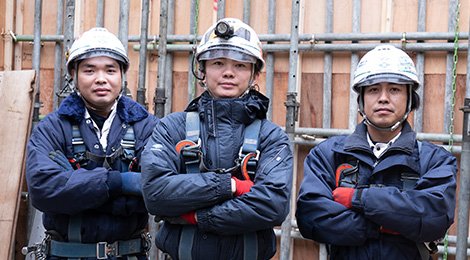
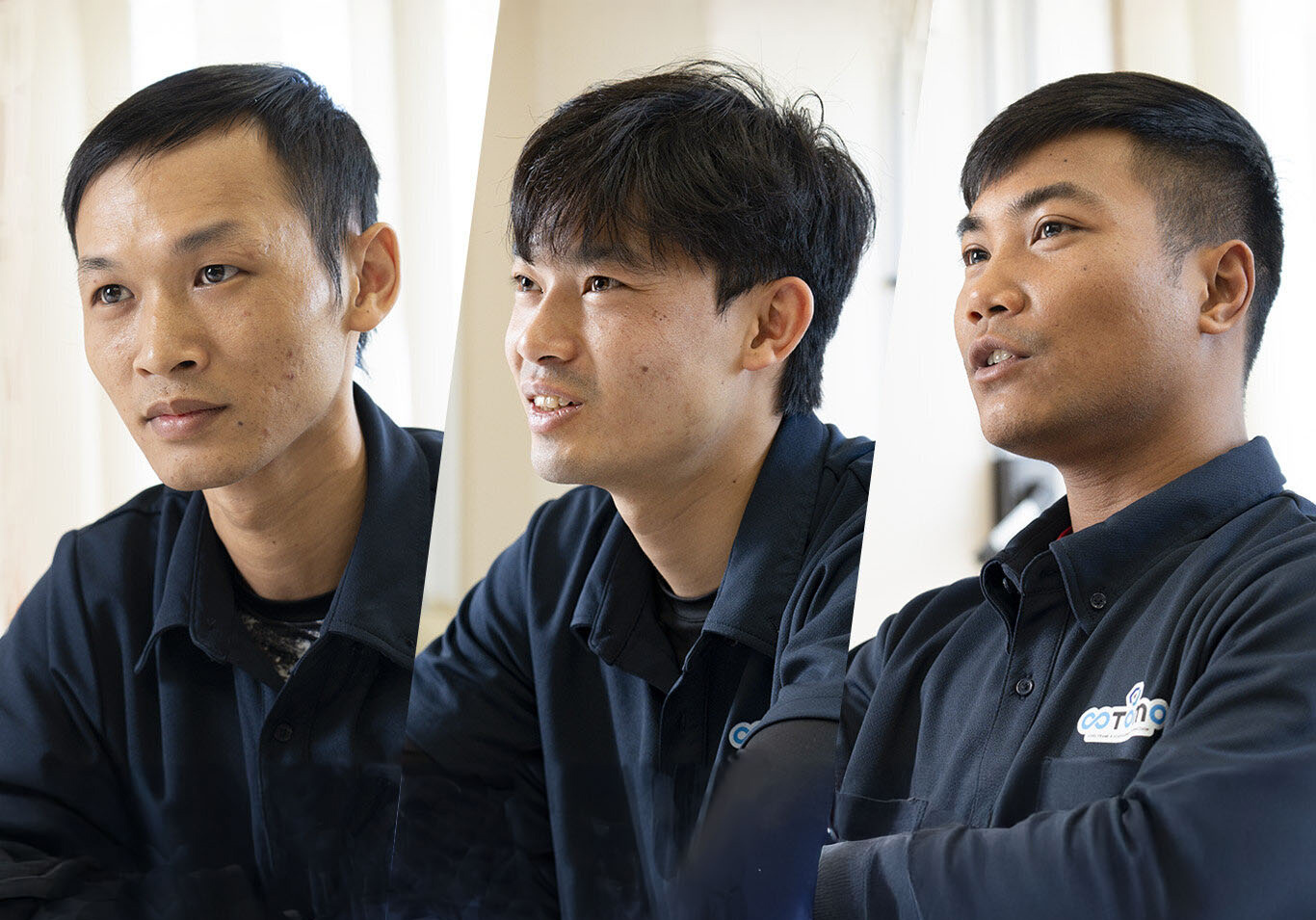
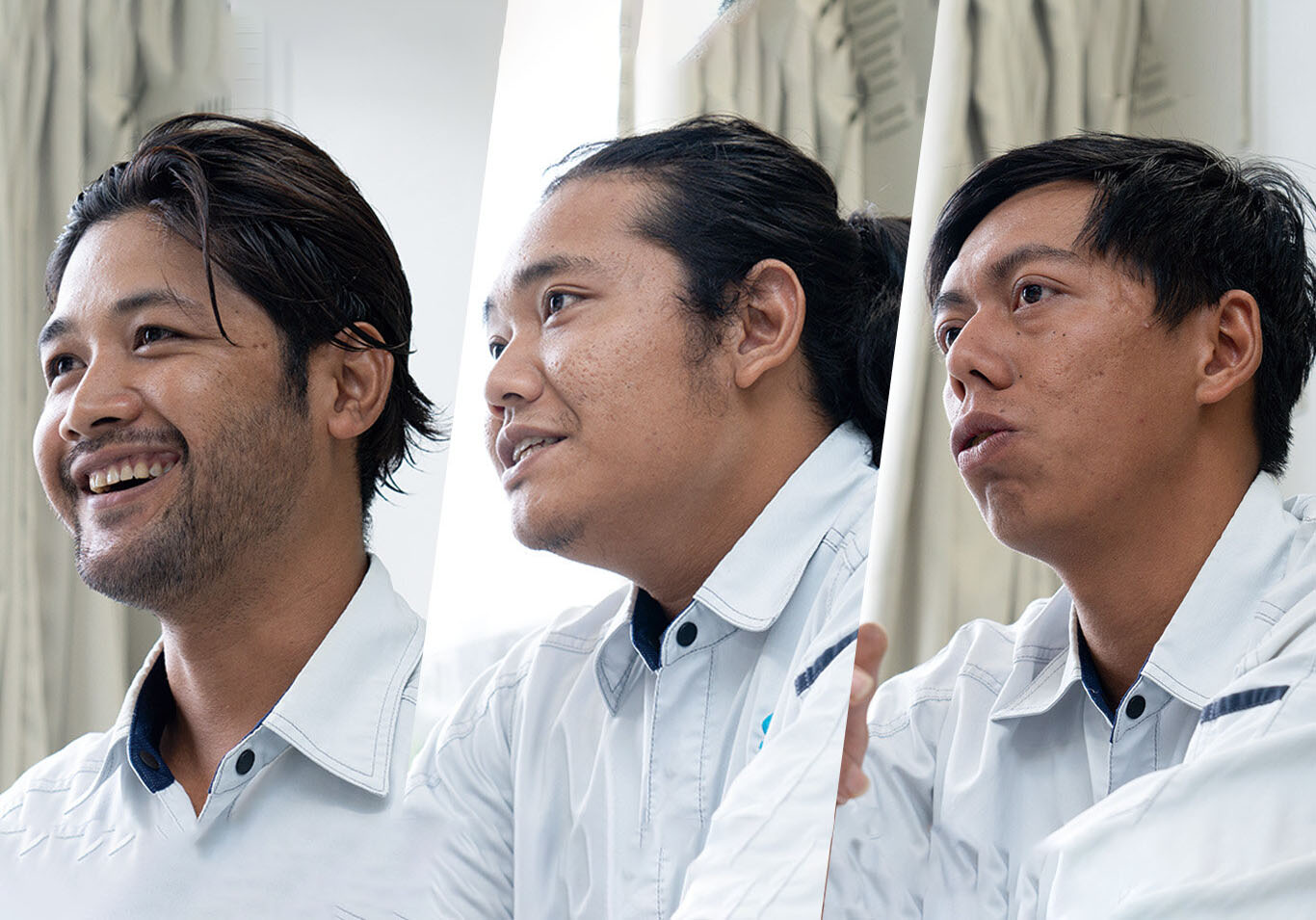
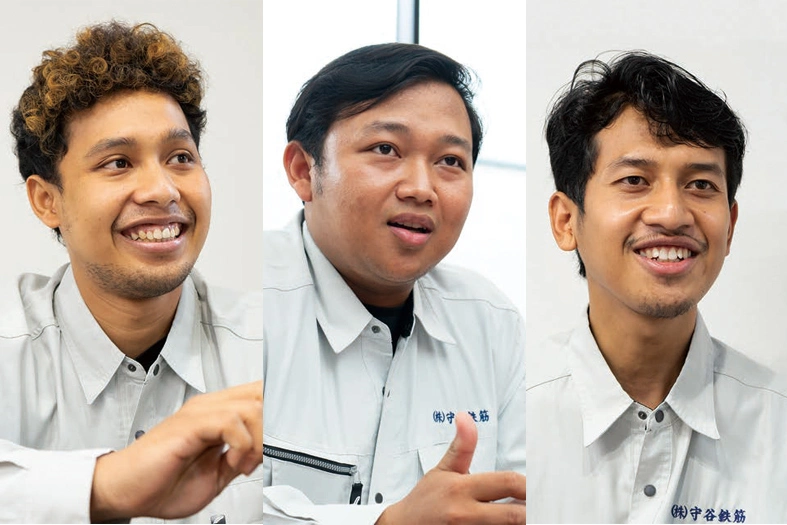
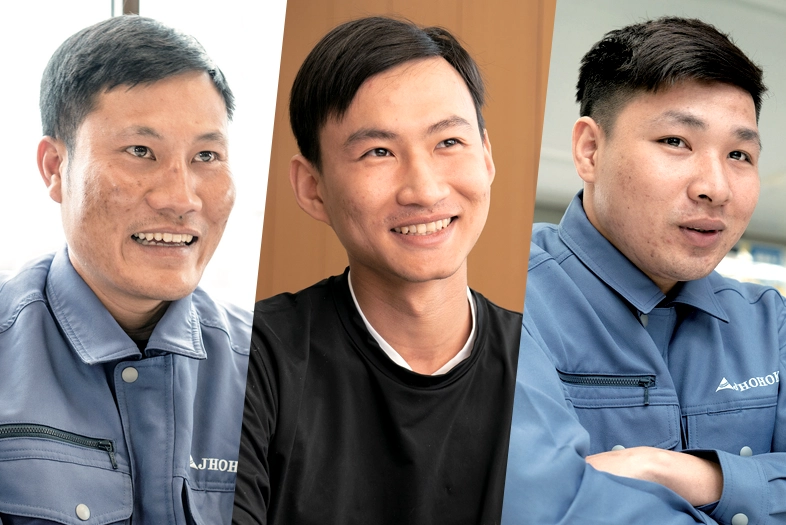
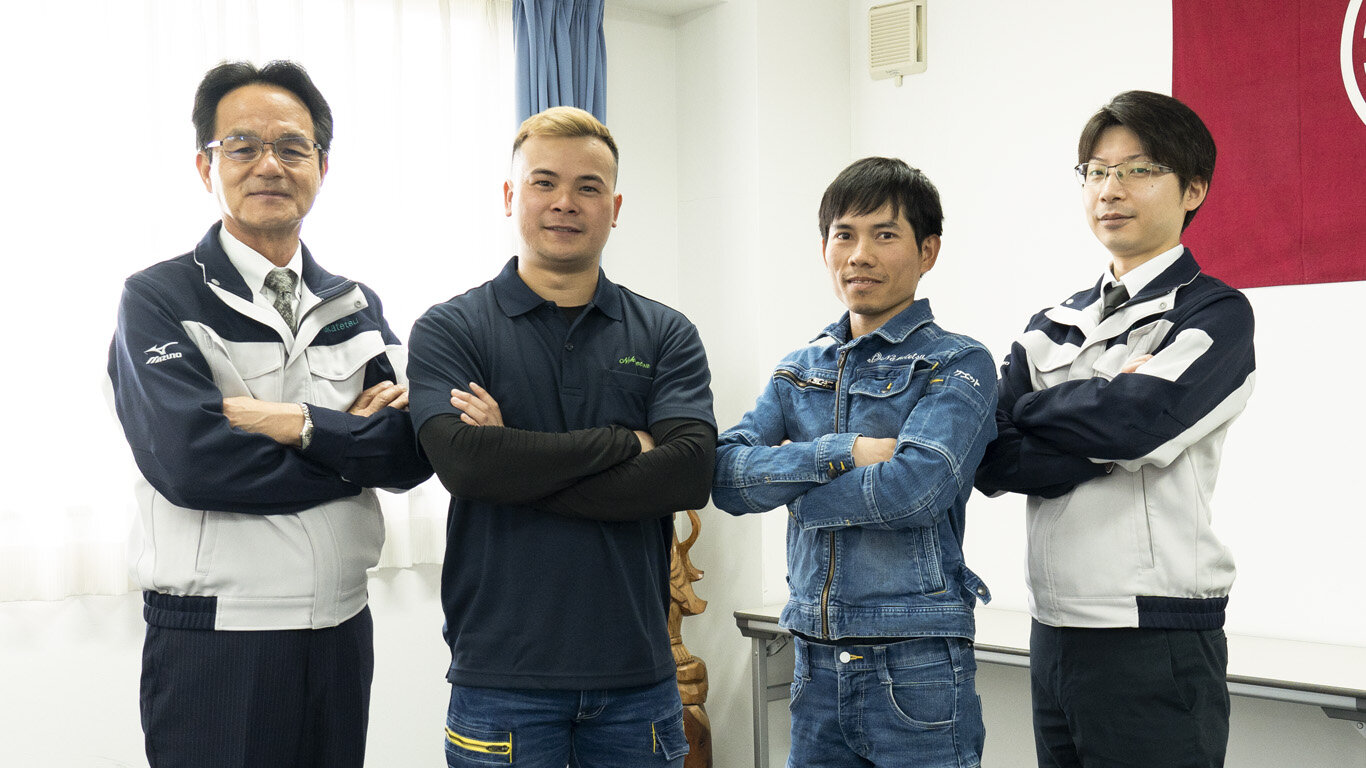
This time, we spoke with three people, Mr. Son and Mr. Luan from Specified Skilled Worker (i), and Mr. Touong from Technical Intern Training about their work and life in Japan.

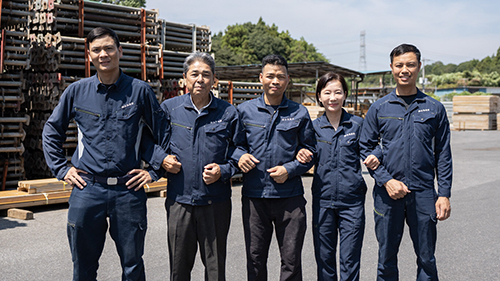
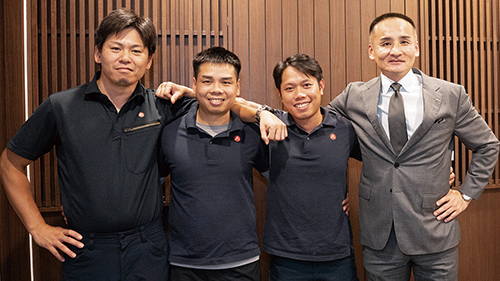
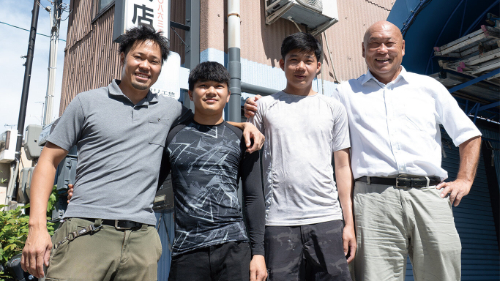
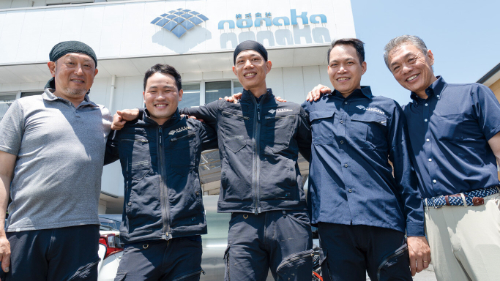
He said that he was happy that he was able to become a Specified Skills and was entrusted with the difficult work of Framing construction work, and he said that he was studying to be able to read drawings and calculate more. If you can build R walls and stairs, will you be recognized as a full-fledged person? These are three people who are impressive in their smiling faces.

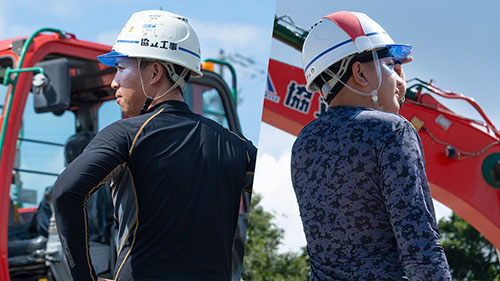
Photo: Voices of people working on-site
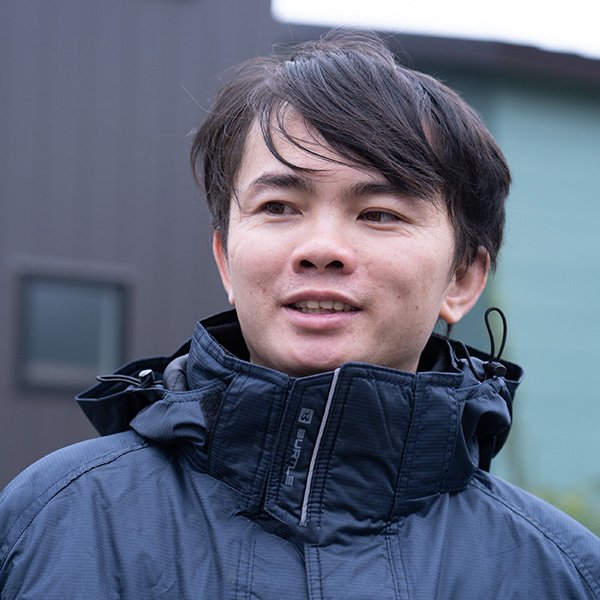
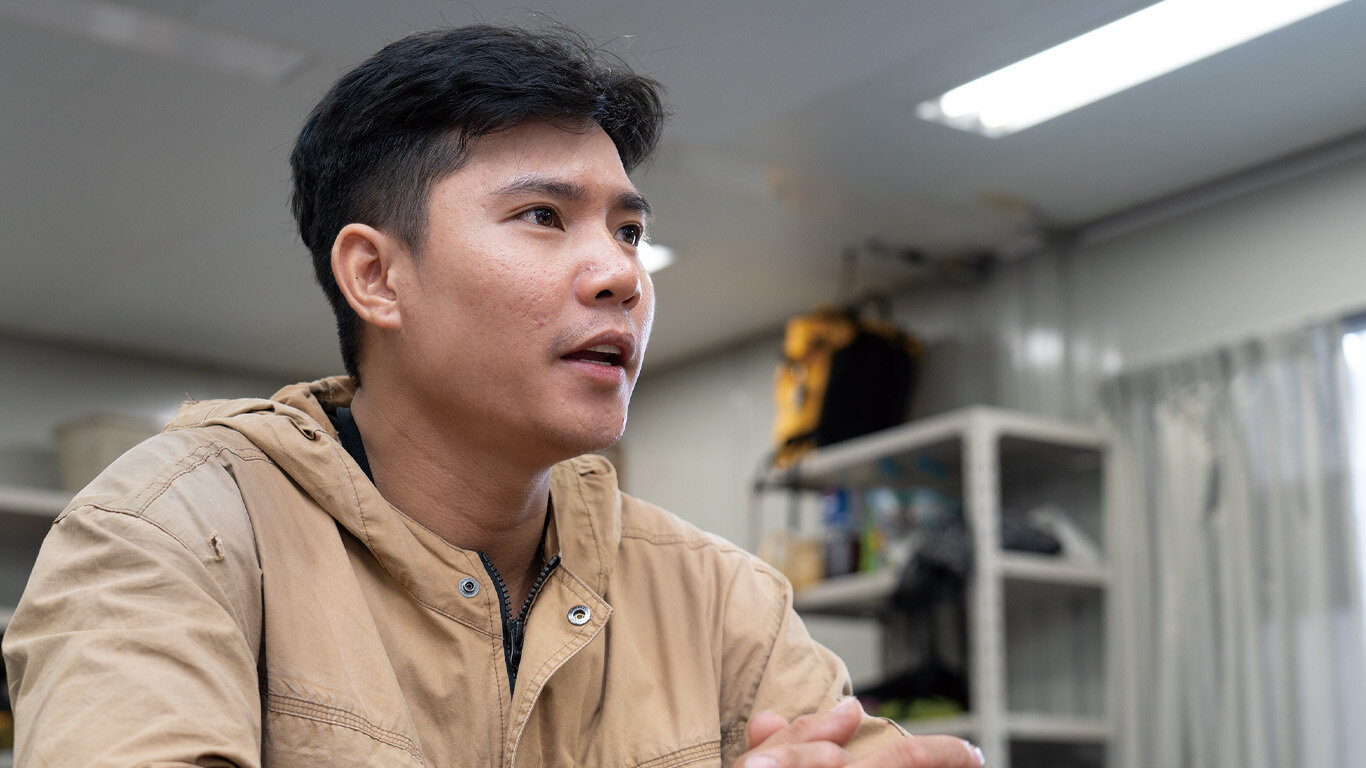
Image: Song-san
In order to meet the expectations of my family, I first aim to obtain the Frame working Skill Test Level 2!

Mr. Song

Mr. Song said that he decided to come to Japan because he wanted to learn about the high level of construction technology in Japan. Frame working In order to obtain the second level of the skill test, he is now studying how to read drawings. "I copy the drawings and take them home, and ask the foreman what I don't understand to teach me." His family in Vietnam seems to be supporting, and he is doing his best on site wearing his mother's handmade mask.
Image: Luan
My goal is to be able to take on the difficult task of constructing stairs all by myself!

Luan

When he first came to Japan, Luan couldn't speak a word of Japanese, but now he speaks better than any other Vietnamese in the company. What made him happiest was that someone from the company came to pick him up at the airport when he entered the country. "The company treats me well, and everyone is kind to me, so I enjoy working here!"
Image: Touon
I want to learn how Japanese people approach work and contribute to my country!

Touon

Thuong says the best thing about coming to Japan was being able to learn about Japanese ways of thinking and values. "Vietnamese people can be a bit careless when it comes to work, but Japanese people are very methodical and careful. I definitely want to acquire that sense." She is a hard worker who always makes a note of any words she doesn't understand at work and looks them up later.

Initiatives of host companies

Deputy Director of Construction Department
Mr. Naoki Suzuki

Our company has been accepting Technical Intern Training students and Specified Skilled Worker since 2013, currently there are 21 Vietnamese people working. Vietnam is a country known for being pro-Japanese, and I personally have the impression that there are many serious people. In fact, they are working hard to learn the work as quickly as possible in the field. Because of this attitude, the trust of the foremen is strong, and there are many voices saying, "I want them to be in my team."

In particular, the three of Luan, Son, and Touong learned their skills quickly, and they were able to do about 80% of the formwork work by themselves. I can't speak Japanese perfectly, but they try to memorize each of them, and their communication is conveyed to a certain extent through gestures. They work really well compared to Japan craftsmen, so I look forward to their future success.

Efforts to shorten the distance

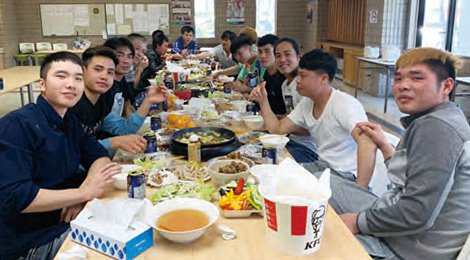
Before the COVID-19 pandemic, we deepened friendships by having employees participate in events such as potato digging and New Year's gatherings held within the company, as well as regular outdoor barbecues and Genghis Khan dinners.
They live in a dormitory, so they are often alone, especially during New Year's holidays. Communication through events also helps to smoothen work, so I hope to be able to meet up again soon.
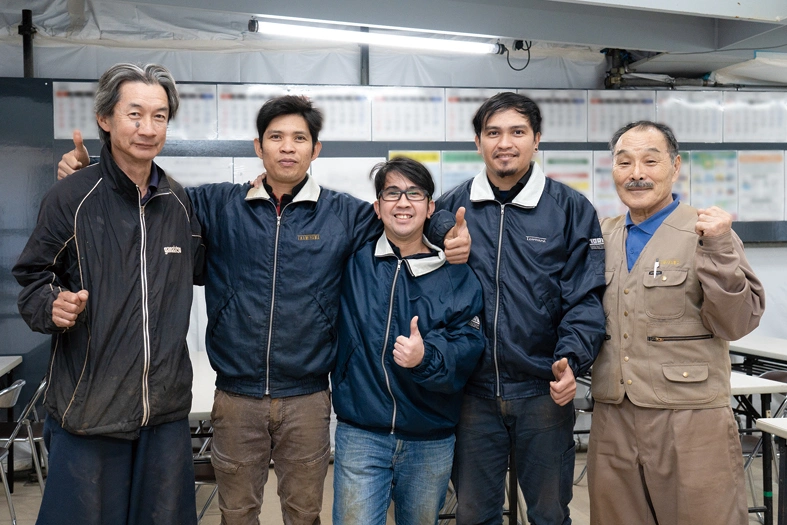
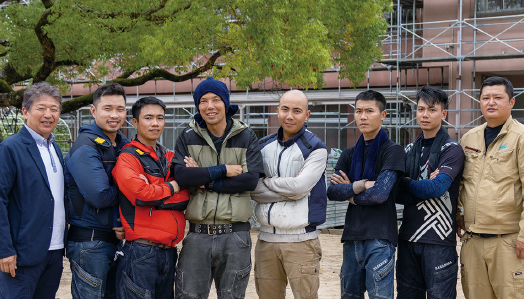
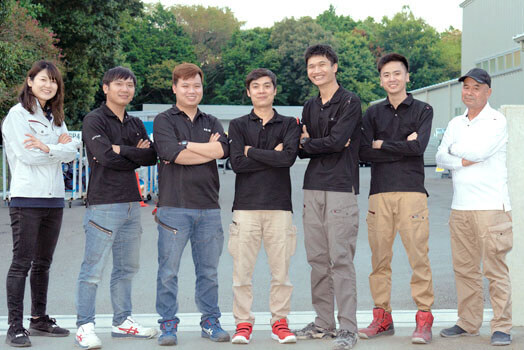
Dinner with work colleagues

Advice for companies considering accepting foreign workers

It is very important to understand the differences in customs. For example, in Vietnam, it is absolutely taboo to touch someone else's head. "The head is where the sacred spirit resides," and touching it is not acceptable for any reason.

However, there is no problem if you share such information within your company in advance. We recommend that you research the culture and customs of the other country in advance.

Apparently, many Vietnamese people have cheerful personalities.
  • Weekdays: 9:00-17:30 Saturdays, Sundays, and holidays: Closed
  • Q&A
  • Contact Us