• Visionista
  • Foreign Resident Acceptance Manual
  • JAC Magazine
  • People who want to work in the Japanese construction industry
  • KEN GI JIN connect people, construction companies, and the world
  • Facebook (for Japanese companies)
  • Facebook (Japanese for foreigners)
  • Instagram
  • Youtube

Examples of companies that employ foreigners

I want to grow together with them and spread Japanese technology to the world!

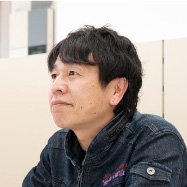
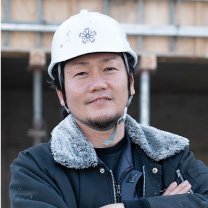
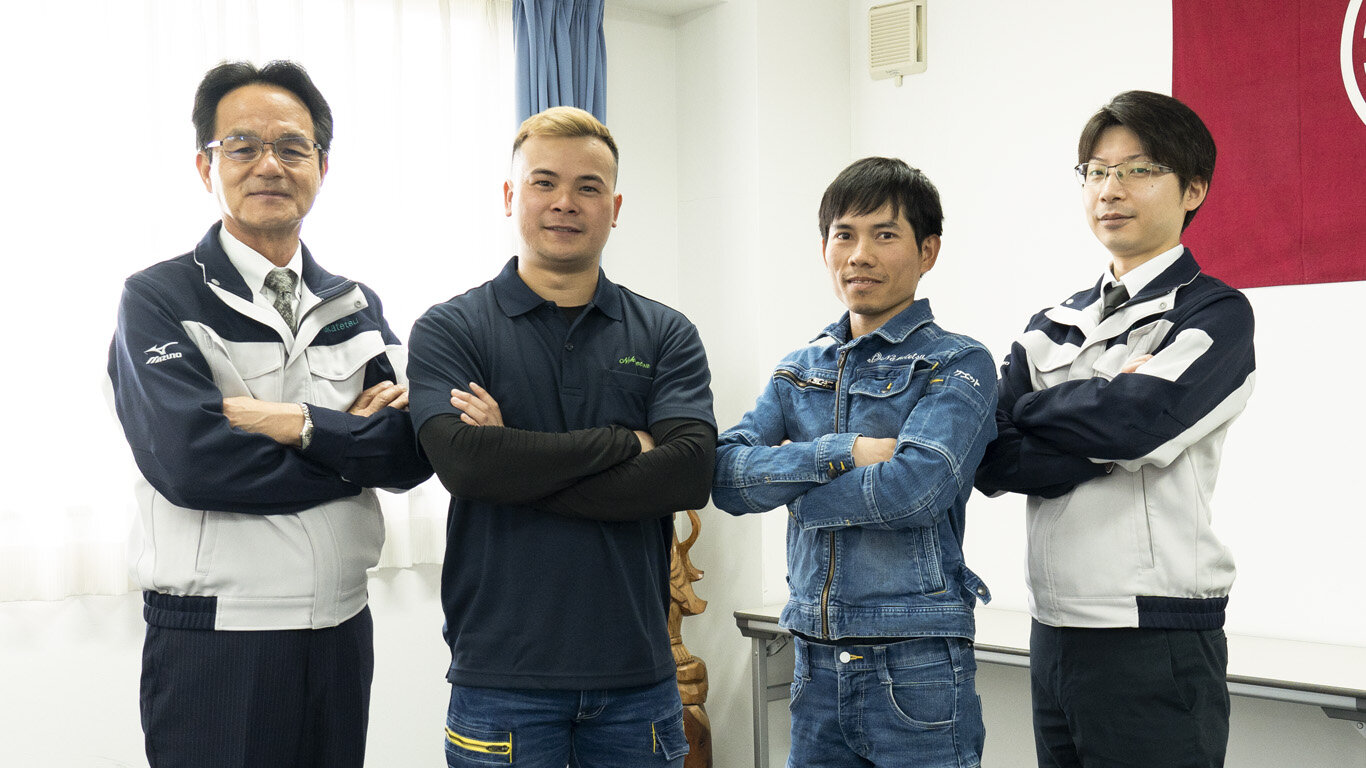
Image: President and CEO Naoki Sugawara

Mr. Naoki Sugawara, President and CEO of Sugawara Equipment Co., Ltd.

Sugawara Equipment Co., Ltd. is a company based in Aichi Prefecture that operates a water supply and drainage facility construction business. The company is known for accepting and focusing on training multinational talent. This time, we will introduce the company's initiatives and the voices of two Vietnamese who work in the "piping" industry.

Host company interview

Company Profile

Sugawara Equipment Co., Ltd.
Address: 21-2 Motoderacho 3-chome, Tsushima City, Aichi Prefecture
Business content: Water supply and drainage equipment construction business
Website: https://www.agile-innovation.co.jp

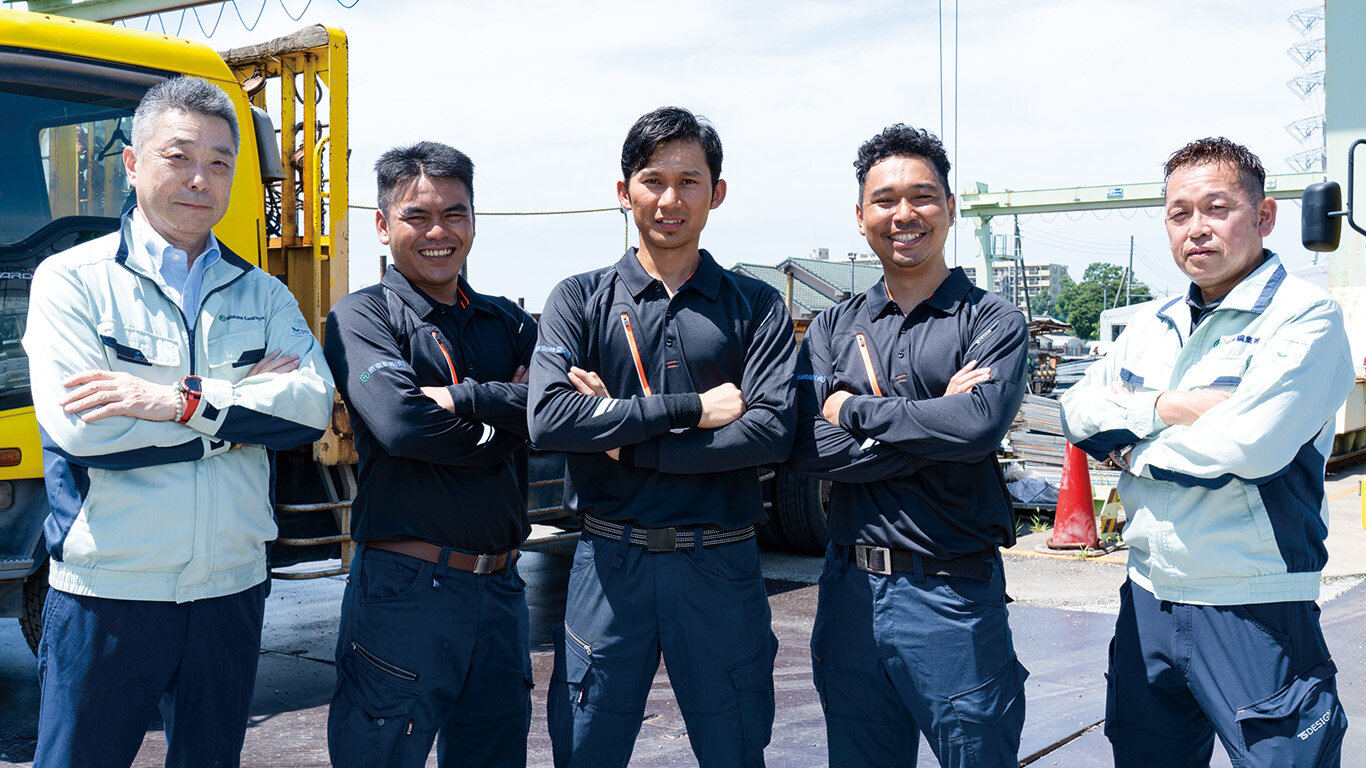
7 foreigners / 52 employees) Specified Skills 4 / Technical Intern Training students 3 (Chinese, Vietnamese, Myanmar)
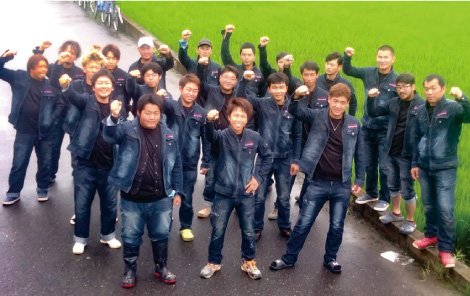
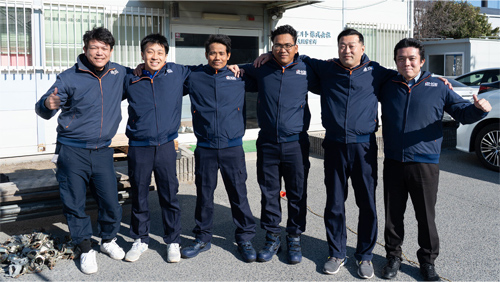
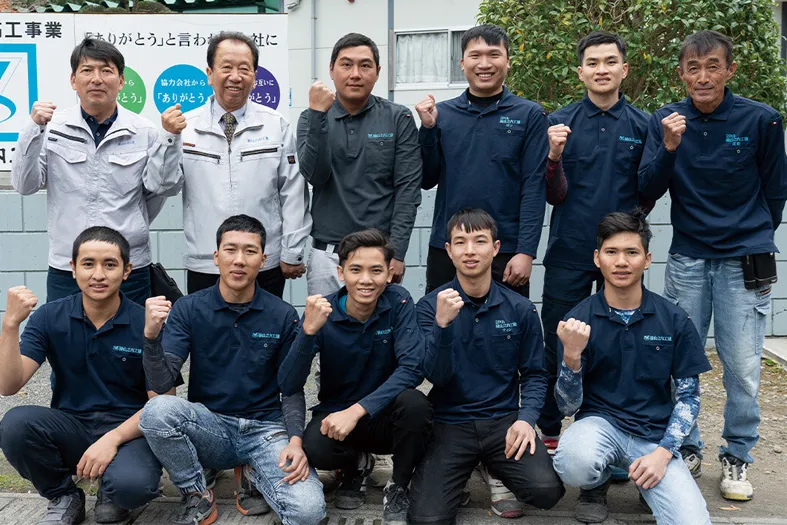
Image: Sugawara Equipment Co., Ltd.
  • Hiring multinational talent to avoid conflict
  • Holding Japanese language classes to improve language skills throughout the company
  • Providing opportunities for foreign workers to thrive both domestically and overseas
Tan is a hard worker with a strong desire to grow
Why did you decide to accept?
Our company was founded in 2000 by three people. After its establishment, we focused on securing human resources to expand our scale, but it is difficult for people to gather in small companies. When I was thinking about what to do, I heard from business owners I knew that foreigners work very hard. Therefore, in 2004, I accepted Technical Intern Training students for the first time.
What was the best thing about accepting it?
What surprised me about working with them was their hungry spirit. They quickly learned the work of other employees on-site and made it their own skill. They also proactively appealed by saying things like, "I want to be entrusted with this next time," and "I want to work more even if it means working overtime," so it was helpful that they were immediately valuable.
What are your plans for the future?
Foreigners Technical Intern Training When the system was first introduced, there was a voice saying that "even if they return to their home country, there is no place to make use of their skills." Therefore, we have established local subsidiaries in Myanmar and Vietnam. The purpose is to create an environment where Specified Skills and Technical Intern Training students can play an active role in both their Japan and their home countries, and our goal is to continue to build relationships that can enhance each other with them and spread Japan technology around the world.
Initial deployment
・Securing dormitories
・A set of household appliances
・Japanese language class support before entering the country
・Practical training after entering the country (approximately 2 weeks to 1 month)
Salary system image
・ Specified Skills (total payment) about 190,000 yen/month
・ Technical Intern Training (total payment) about 160,000 yen/month
・Foreign construction workers (total payment) about 200,000 yen/month

There is a salary increase according to skill mastery, etc., there is a department transfer allowance, etc.
*Depends on work experience.

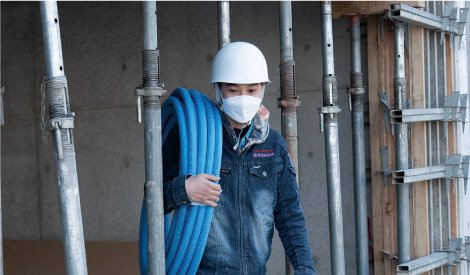
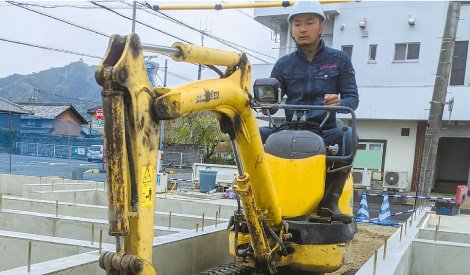
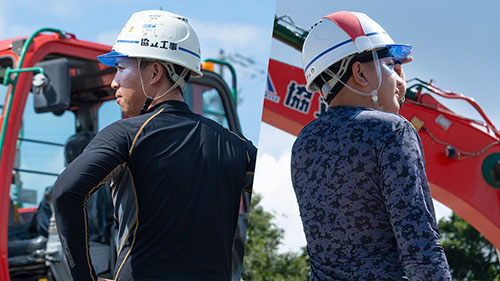
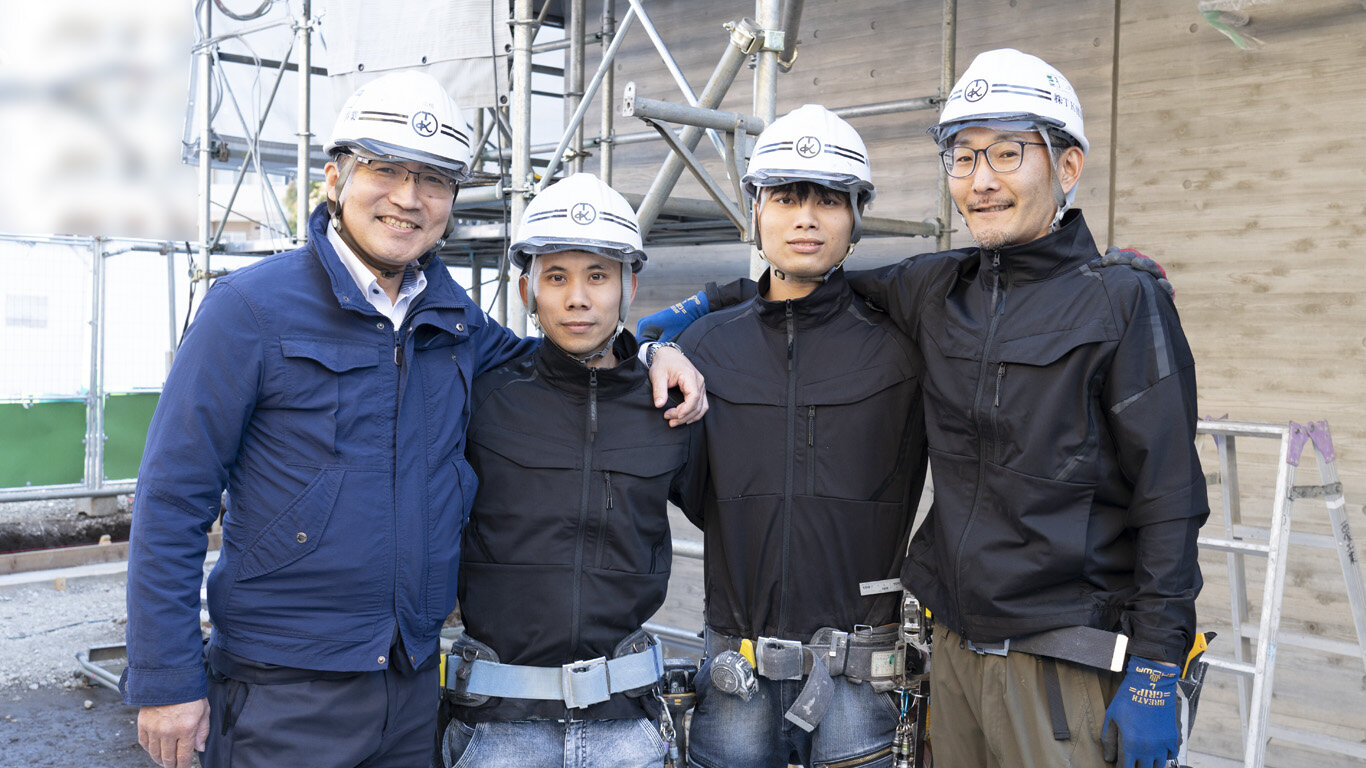
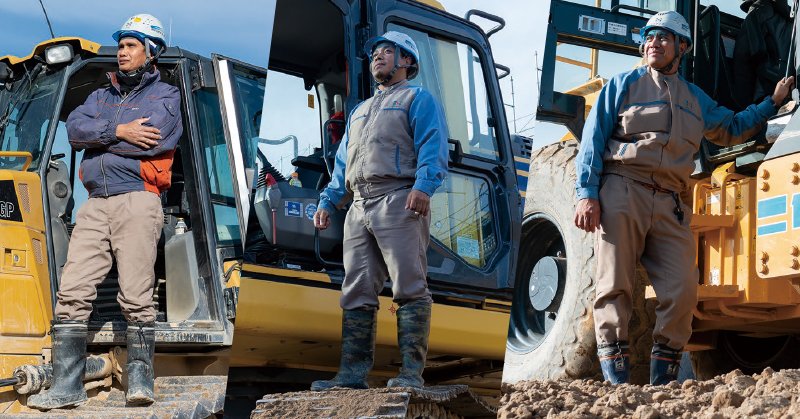
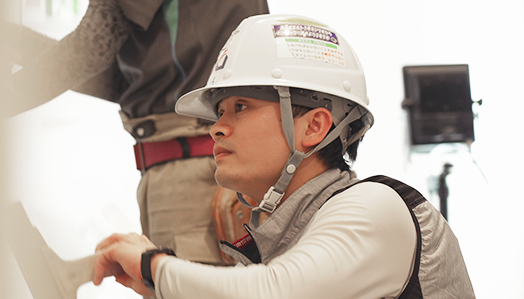
Tung operating a mini excavator at the site
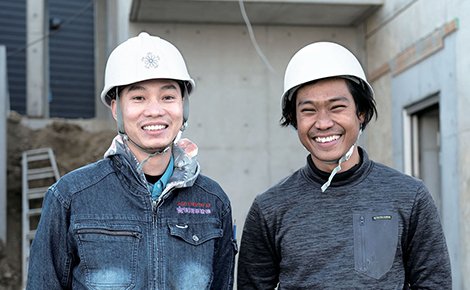
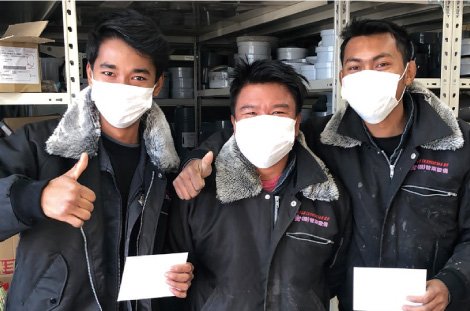
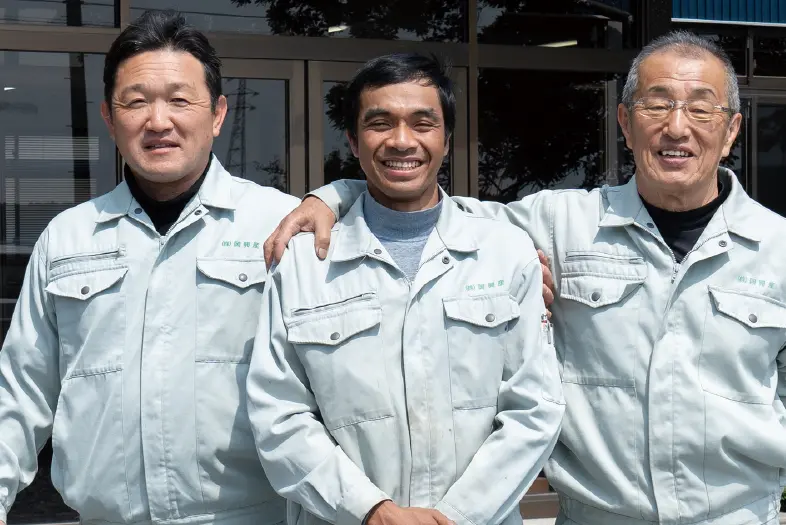
He and his Japanese colleagues get along well

Voices of people working on the ground

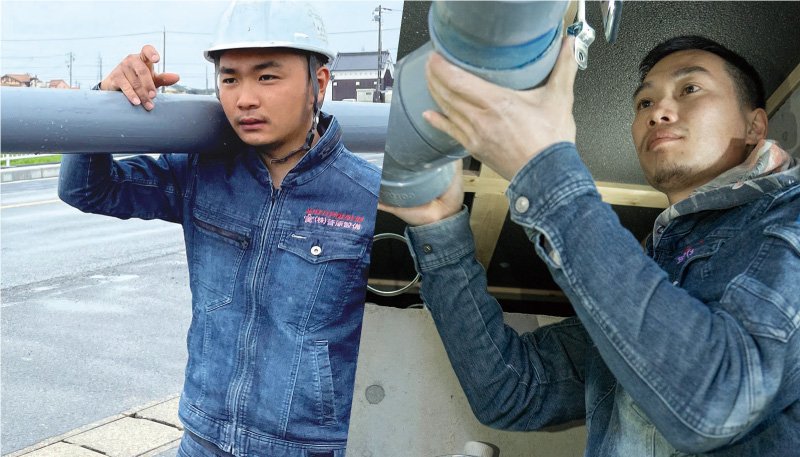
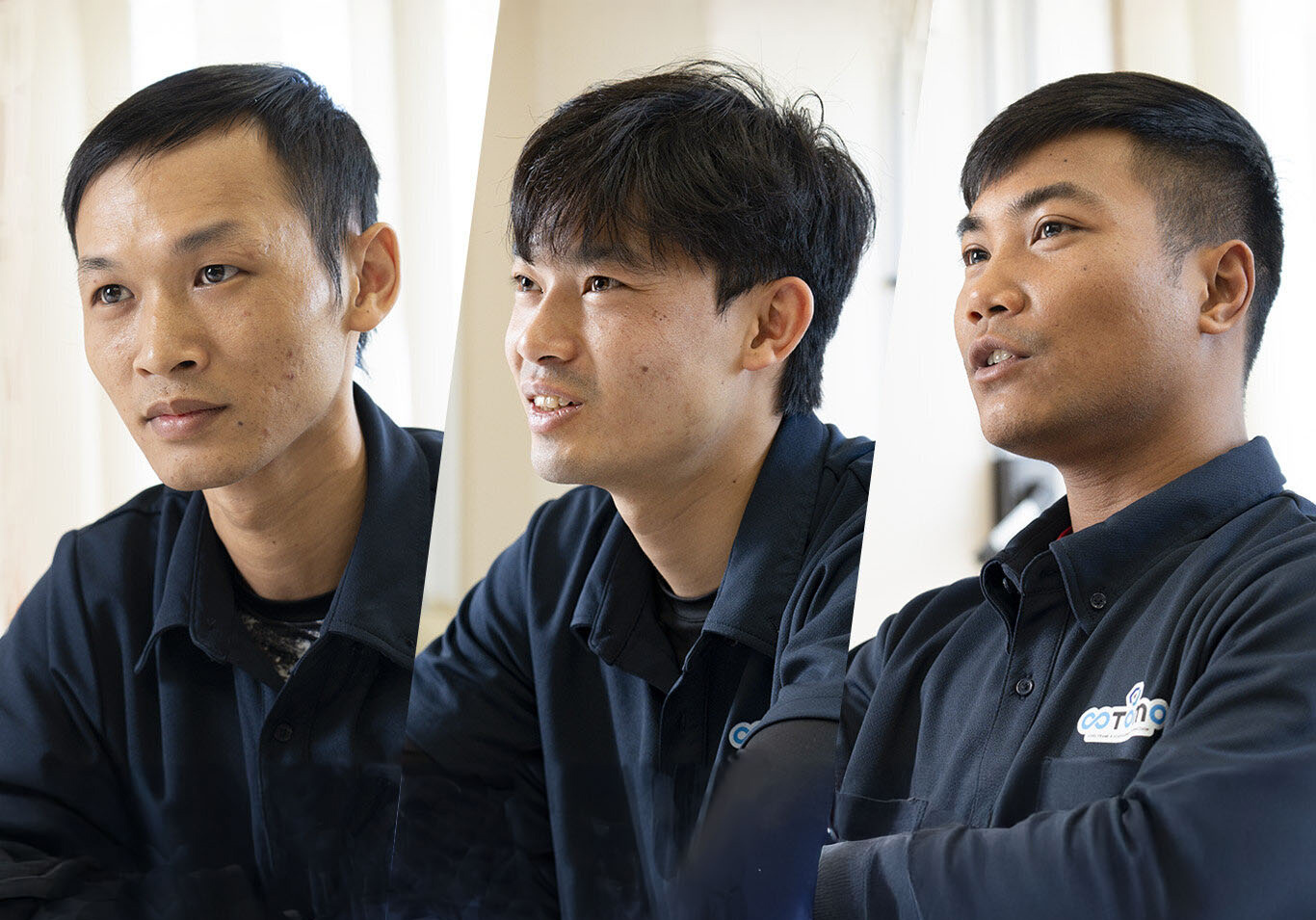
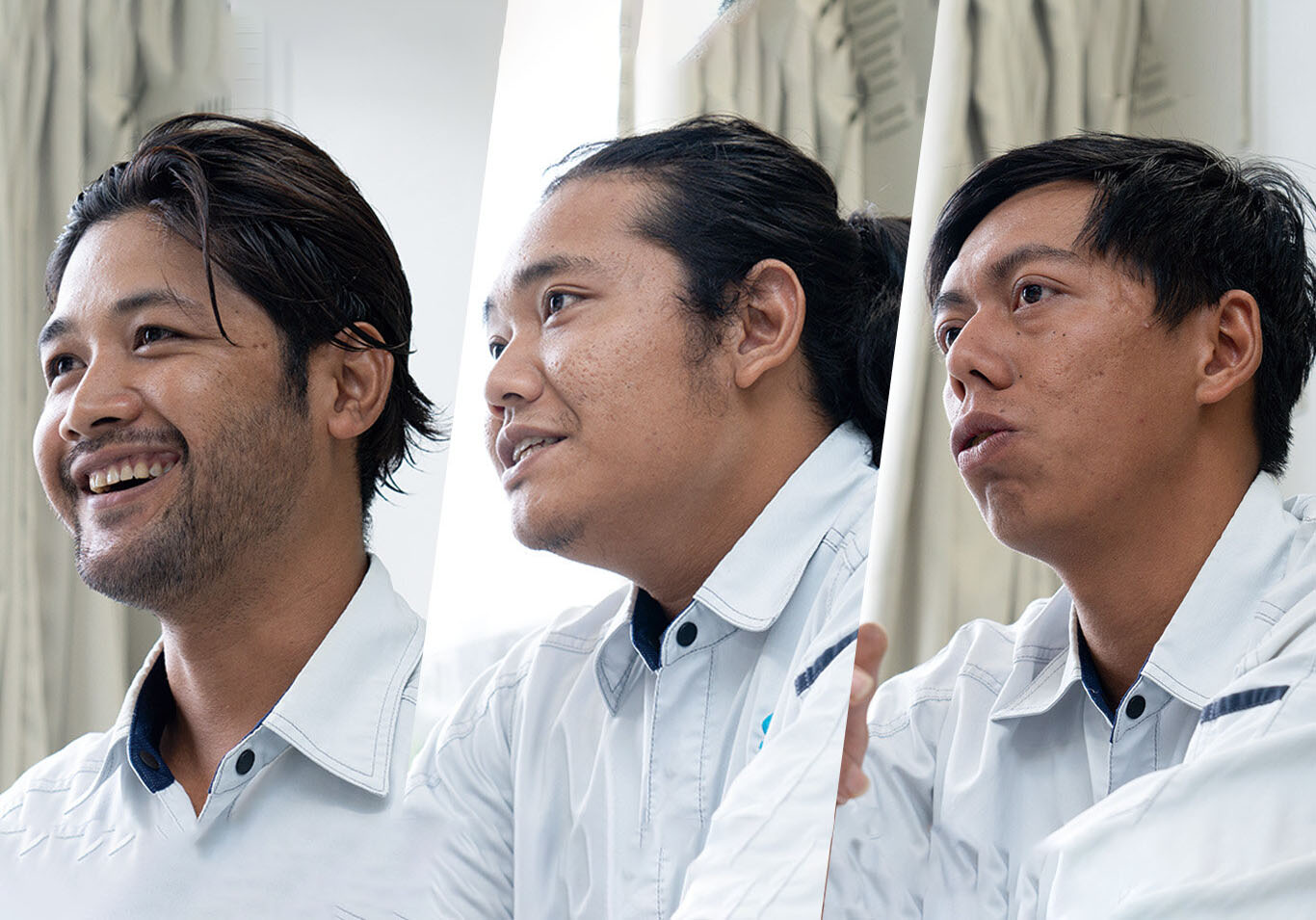
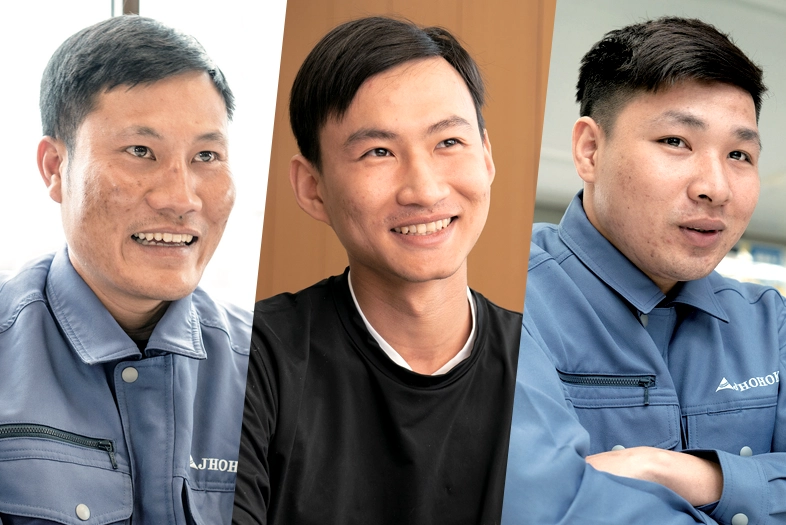
We interviewed Mr. Tung and Mr. Tan from Vietnam, who work as Specified Skilled Worker (i), about their work and life in Japan, as well as their future goals.

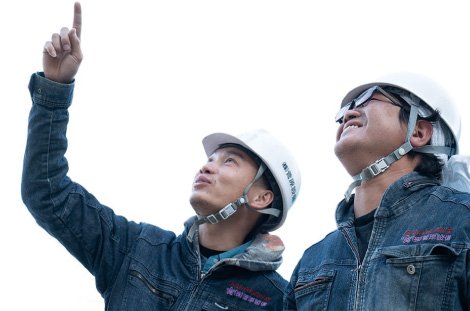
Photo: Voices of people working on-site
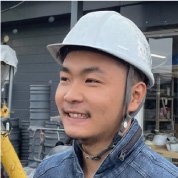
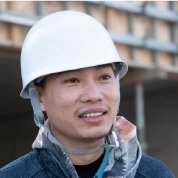
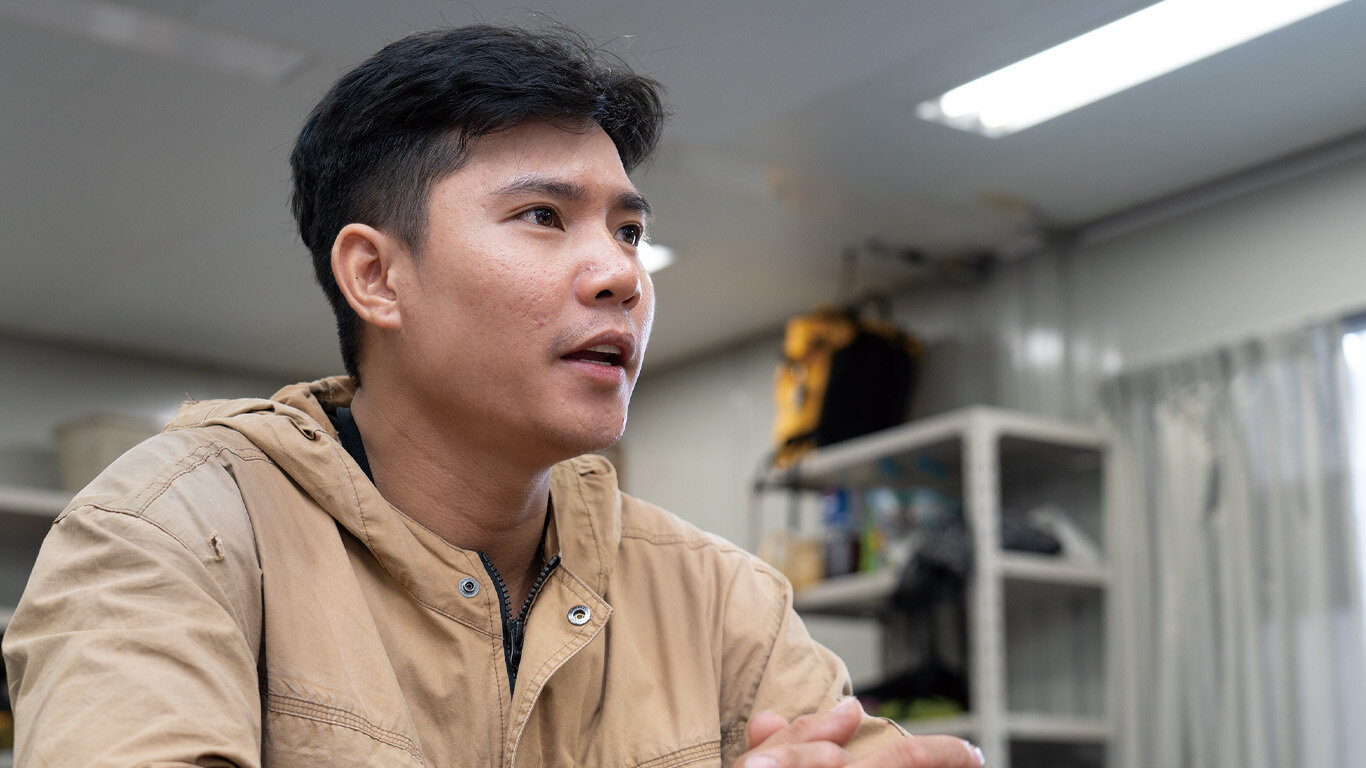
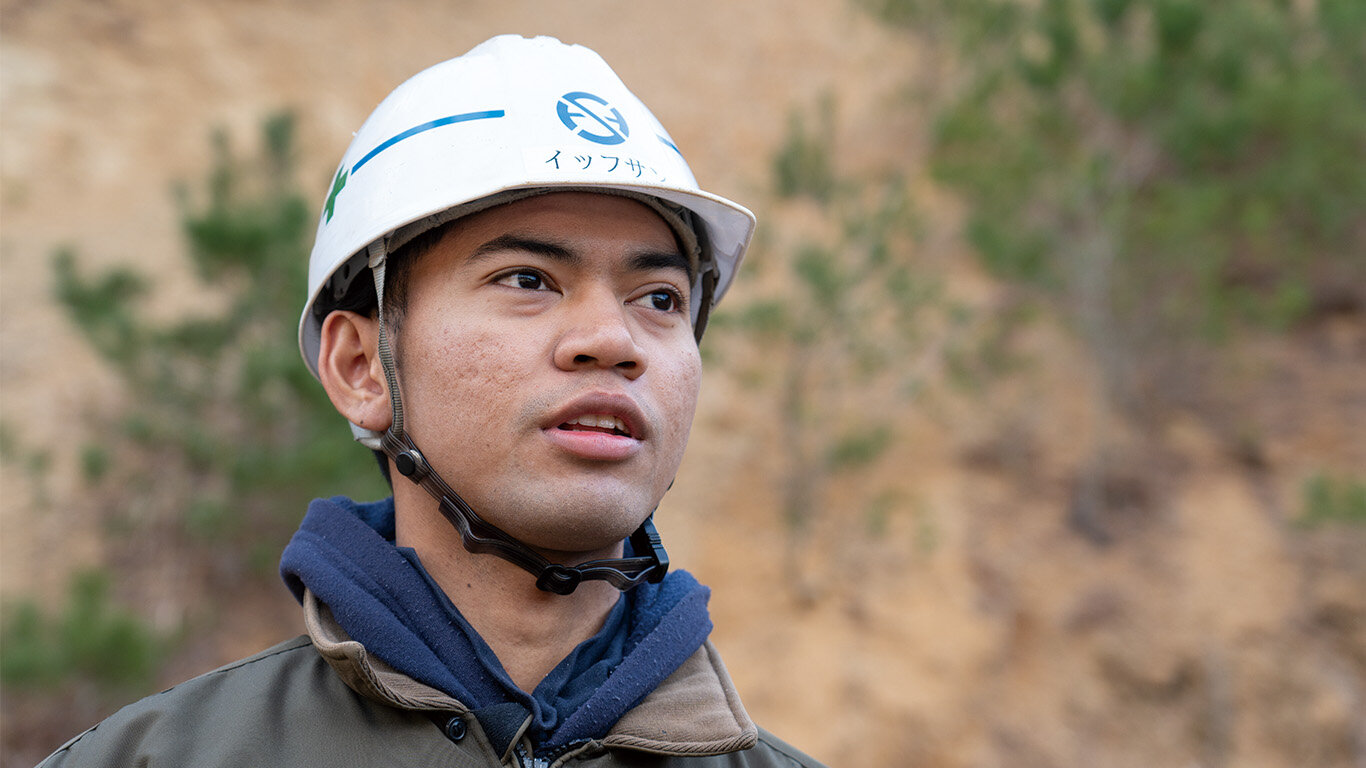
Image: Tun-san
My strength is my Japanese, which I improved through games. I want to work at the same site as my younger brother, who is coming to Japan soon!

Mr. Tung

Tung is 24 years old and is the breadwinner of his family, supporting his mother and younger brother in his native Vietnam. He is good at Japanese and can speak everyday Japanese without any problems. "When I played online games and talked to Japanese people, my Japanese improved naturally." Next month, his younger brother will be coming to Japan from Vietnam and working with him on-site. He told me with a smile that he can't wait.
Image: Mr. Tan
My dream is to live with my family in Japan, a pleasant and livable country!

Tan

Tan, who has two sons, ages 5 and 6, worked in Taiwan before coming to Japan. When asked about the differences between Japan and Taiwan, he replied, "Japan is just so clean, and there's less noise. It's easier to live here." His dream is to live in Japan with his family. He is currently attending driving school, and hopes to buy a car in a few years. "My goal is to get my license soon and be able to go to work sites in my own car."

Initiatives of host companies

Construction Manager
Mr. Naoki Goto

It is true that when we first started accepting employees, we were worried about whether we would get into trouble with Japan employees due to language barriers and differences in culture and lifestyle. I have been groping for how to communicate well and work smoothly. One of the ways to maintain a good relationship with Specified Skills and Technical Intern Training students is to accept people of various nationalities in a balanced manner.

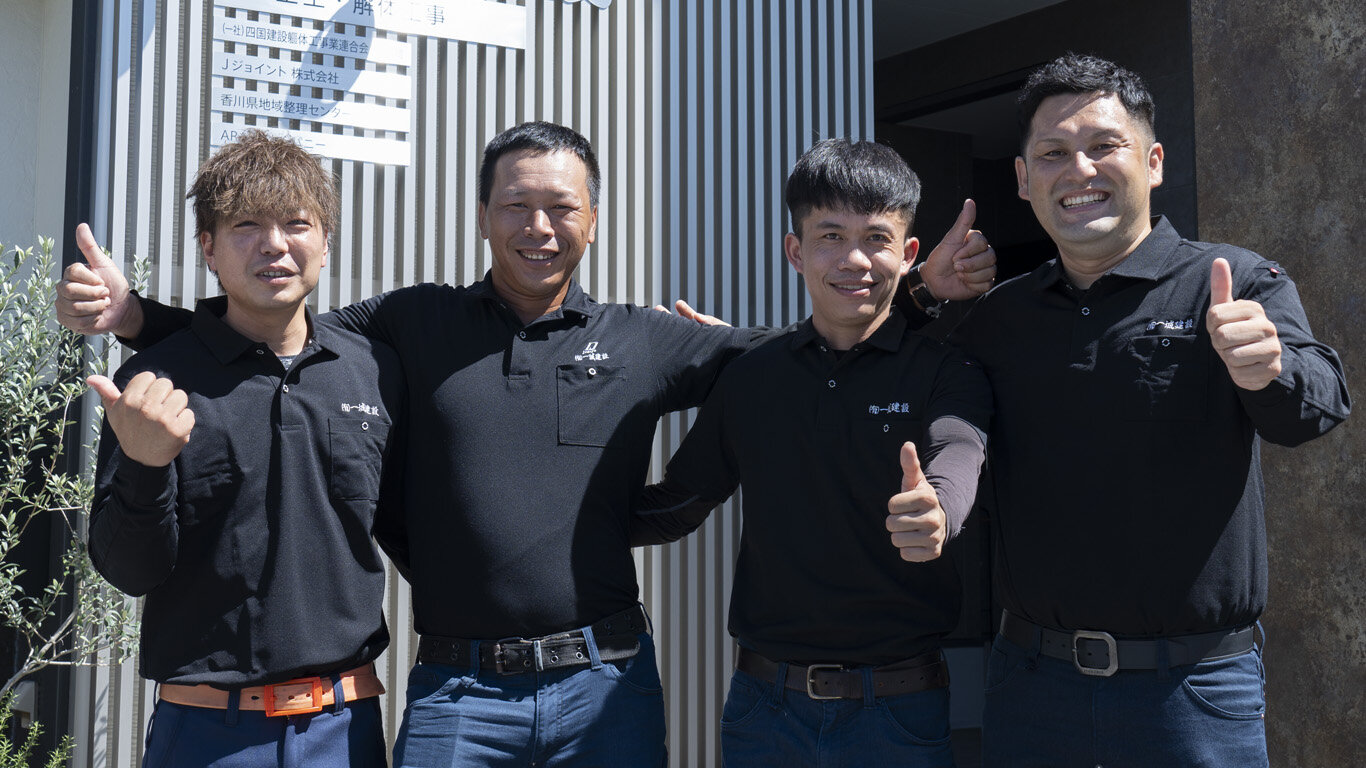
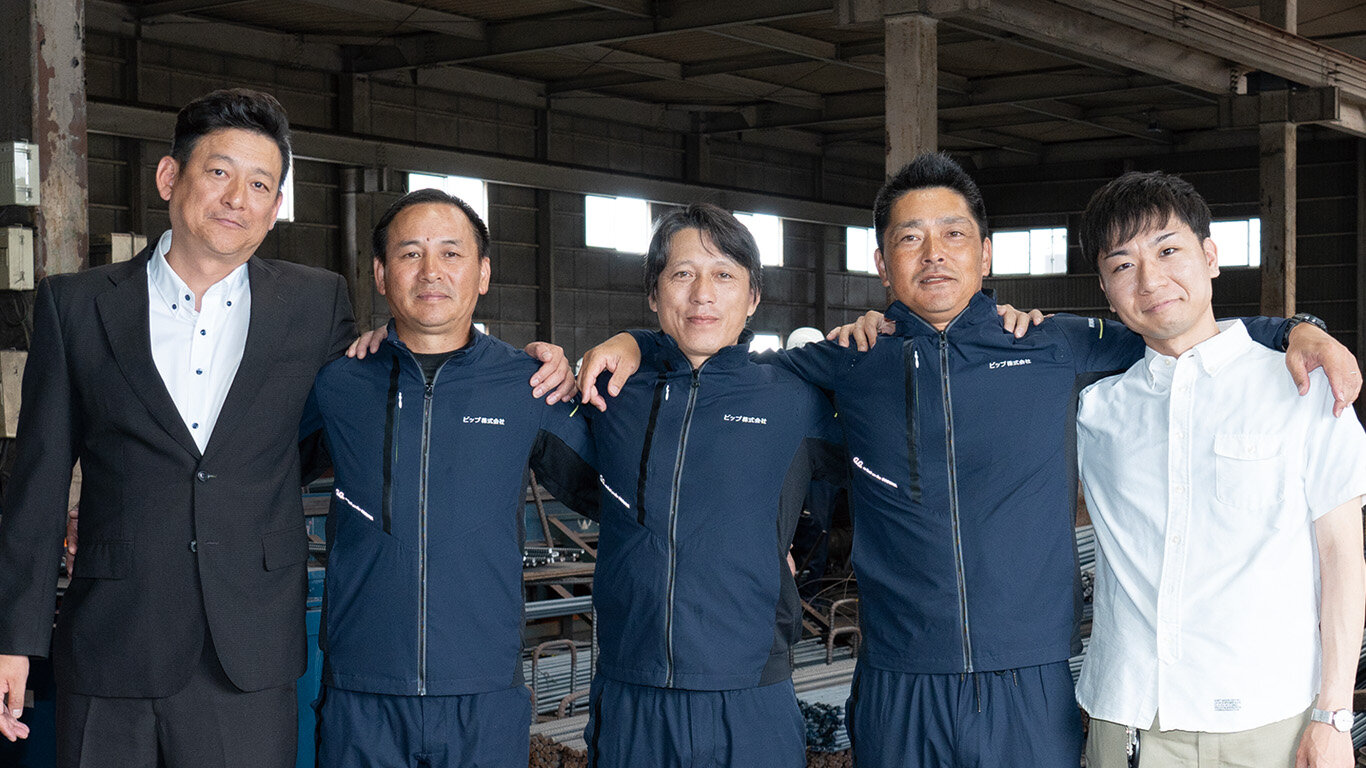
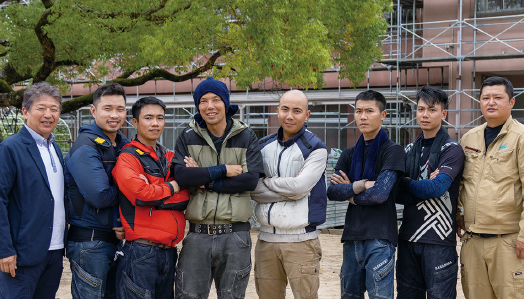
In fact, we have accepted people of various nationalities, including Chinese, Mongolians, Myanmar, and Vietnamese. By accepting a small number of people from different countries at the same time, people from the same country will not stick together with each other, and the distance between you and Japan will be shortened. Also, since they are in a position to leave their hometown to work, they seem to have a strong sense of camaraderie even if they are of different races. Then, the friends of Sugawara Equipment became a "family" that transcended national borders, and they even had a strong spirit of love for the company. Nowadays, there is no barrier between Japan and foreigners, and a strong sense of solidarity has been created as colleagues who work together.

Efforts to shorten the distance

It seems that speaking Japanese too quickly is difficult for people to understand, so we generally try to speak slowly. Also, it seems that it is easier to understand if you speak in simple words, such as "Is this piping okay?" It is important to improve your Japanese level to be successful on site, where there are other contractors. Therefore, our company holds Japanese language classes and conducts online learning once a month. We have a system in place to help people who have already been accepted to take classes overseas to improve their Japanese.
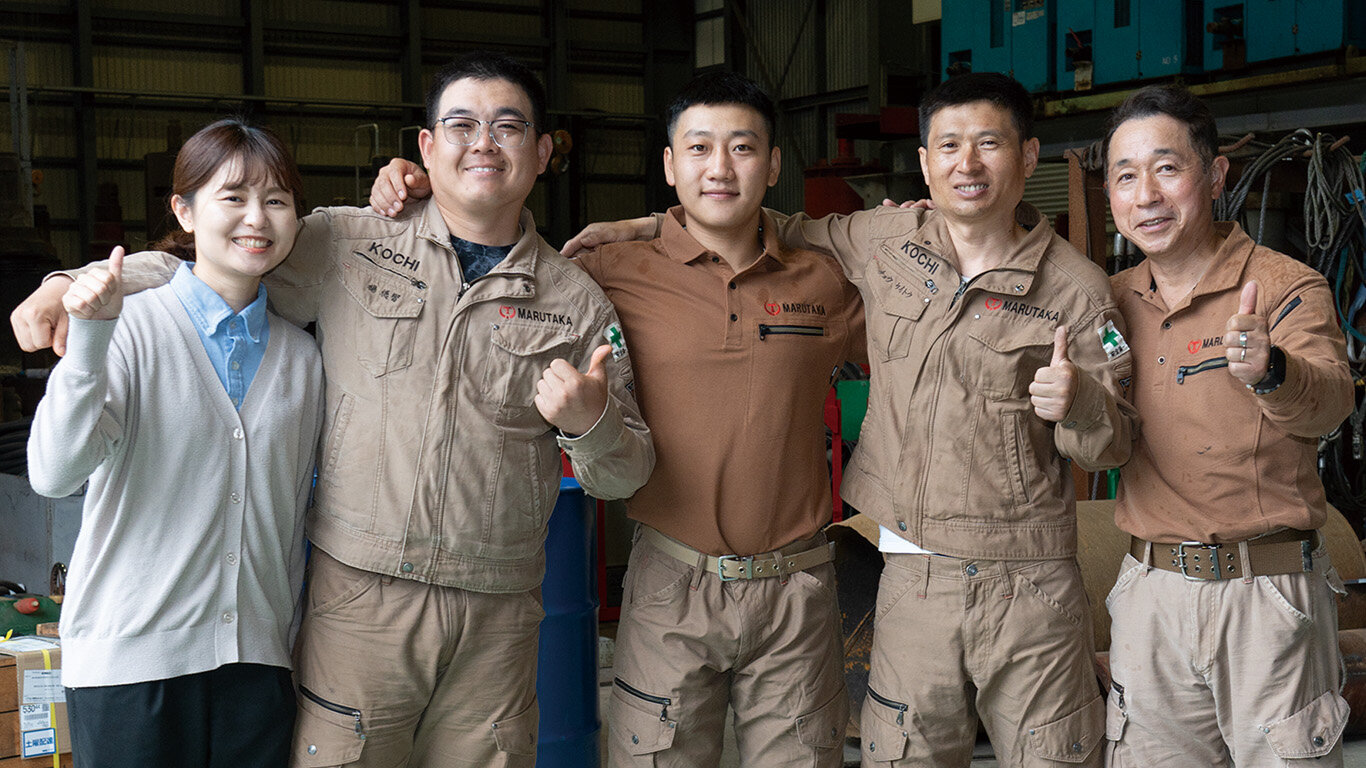
ONE FOR ALL, ALL FOR ONE

Advice for companies considering accepting foreign workers

In the future, in order to operate the construction industry in Japan, where the population is aging and the birthrate is declining, it may become impossible to do so without accepting foreign workers. However, it is understandable that it can be scary to take the first step. So why not visit the site of a company that has actually started accepting foreign workers? If you can see them working for even a day, you will probably understand how hard they work and how well they demonstrate their abilities on site. I would encourage you to try it for yourself.

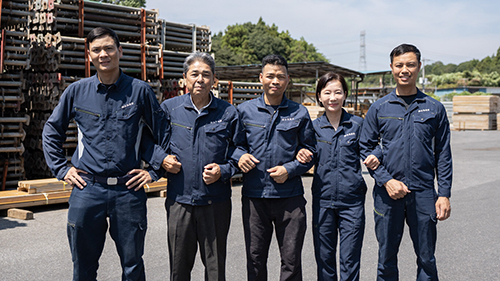
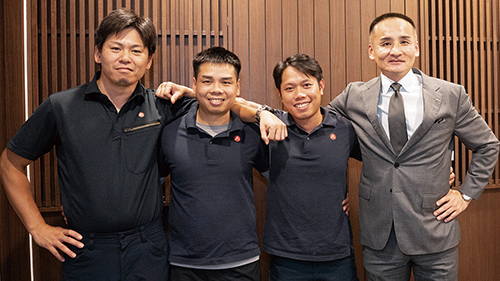
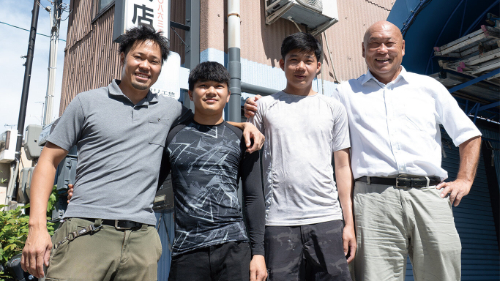
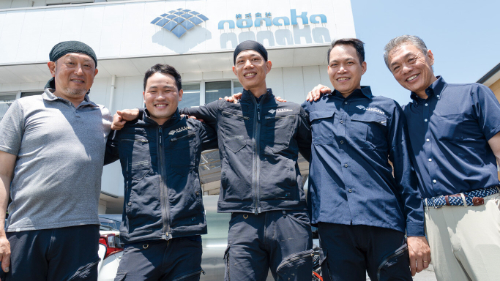
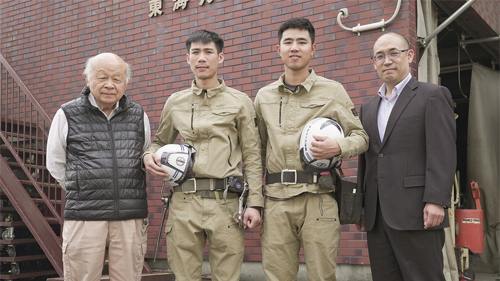
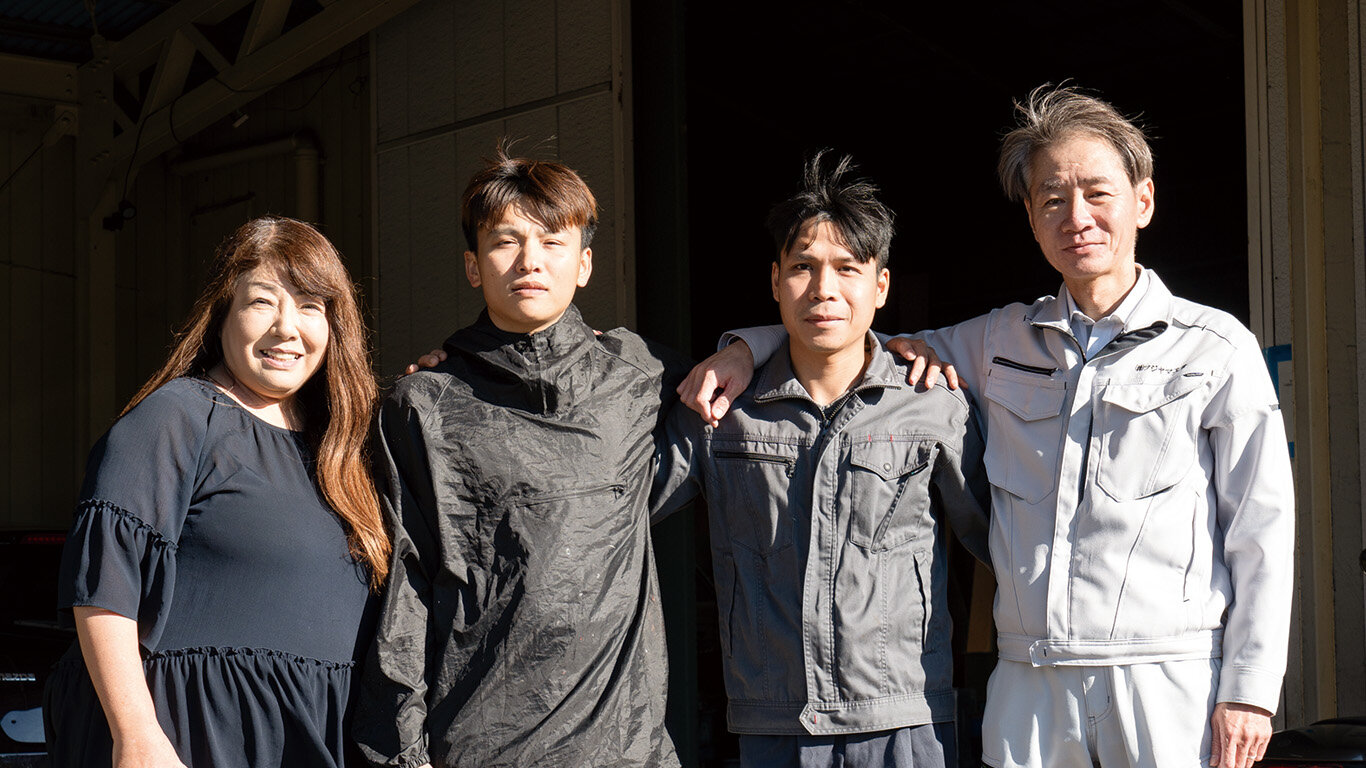
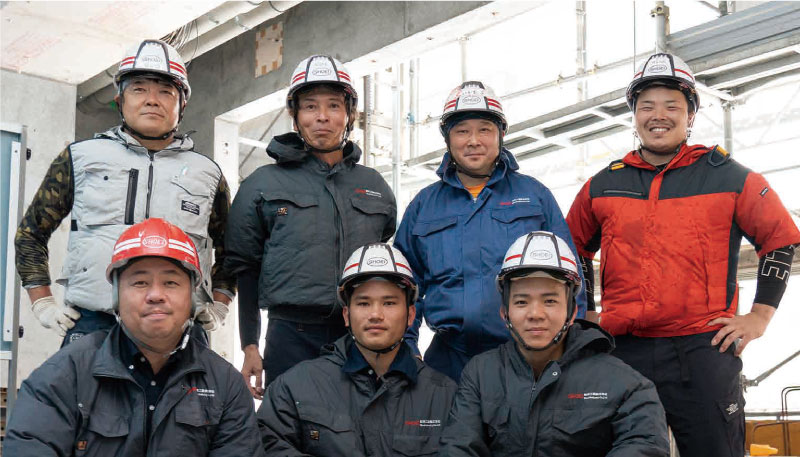
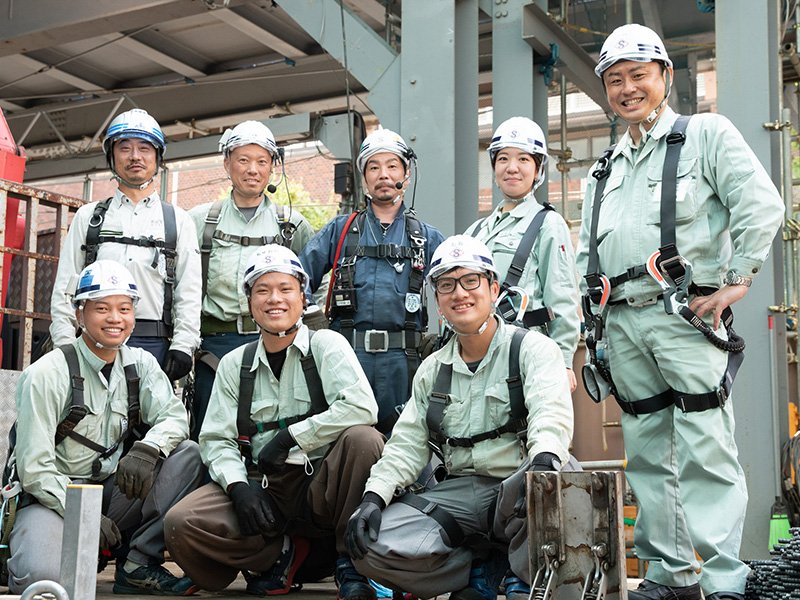
Everybody works well together!
  • Weekdays: 9:00-17:30 Saturdays, Sundays, and holidays: Closed
  • Q&A
  • Contact Us