• Visionista
  • Foreign Resident Acceptance Manual
  • JAC Magazine
  • People who want to work in the Japanese construction industry
  • KEN GI JIN connect people, construction companies, and the world
  • Facebook (for Japanese companies)
  • Facebook (Japanese for foreigners)
  • Instagram
  • Youtube

Examples of companies that employ foreigners

We want to develop first-class talent who can continue working in Japan with confidence.

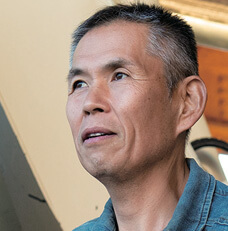
Image: Representative Director and Vice President Taketo Kano

Mr. Taketo Kano, Executive Vice President of Concrete Pump Co., Ltd.

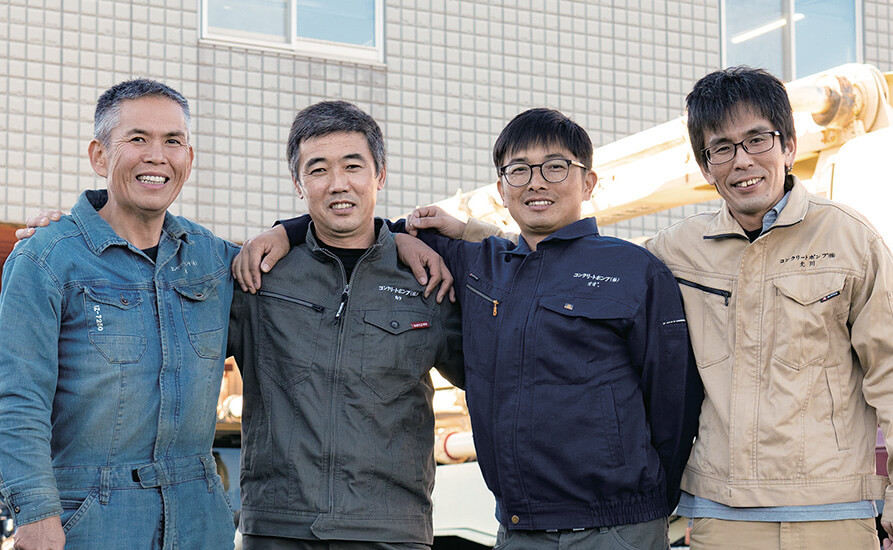
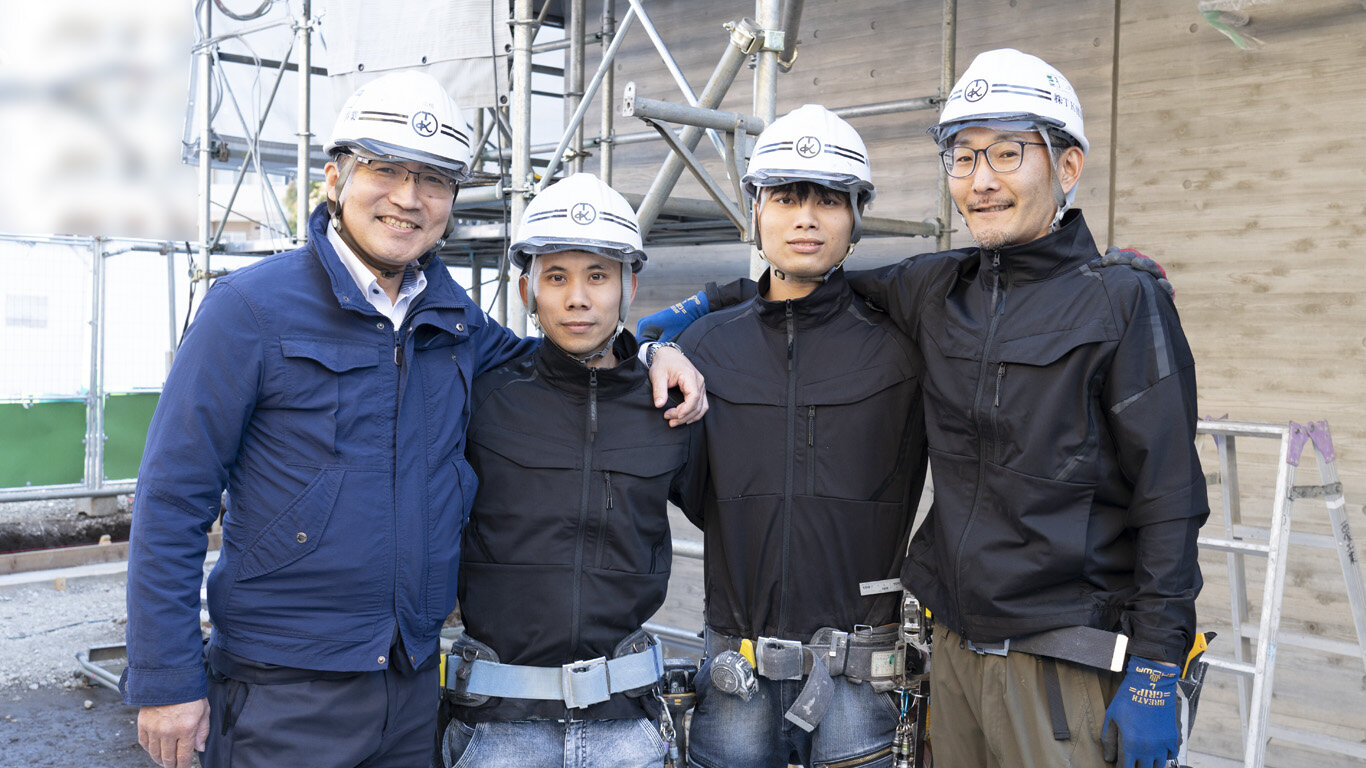
Concrete Pump Co., Ltd. in Gifu Prefecture began accepting foreign workers in 2001 and continues to employ many foreign workers today. This time, we introduce the voices of the company's vice president, Mr. Kano, and three Chinese employees.

Host company interview

Company Profile

Address: 6-77 Onomachi, Kakamigahara City, Gifu Prefecture
Business description: Scaffolding, civil engineering, concrete construction, etc.
Website: https://gcp-web.jimdosite.com/

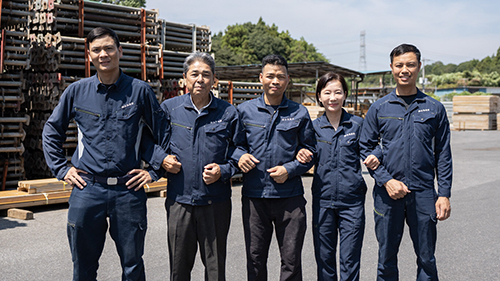
11 foreigners / 25 employees) Specified Skills 3 / Technical Intern Training students 8 (Chinese, Indonesian)
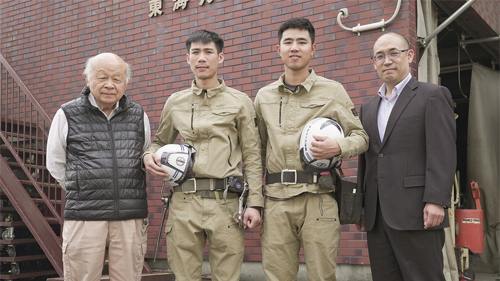
Image: Concrete Pump Co., Ltd.
  • Started accepting foreign workers to reduce the burden on employees
  • Specified Skilled Worker System enables human resource development
  • Achieving smooth communication through honorific language
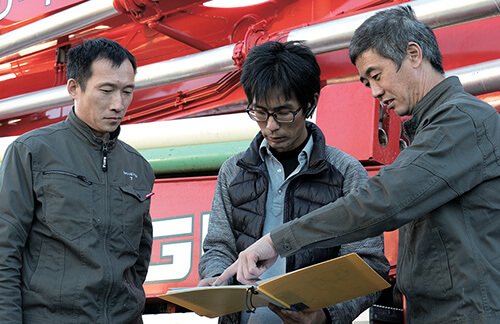
Technical Intern Training Mr. Ouhi discussing the content of his work with the student (right)
Why did you decide to accept?
About 20 years ago, I learned that another company in the same industry, which was also struggling with a labor shortage like ours, had accepted Chinese workers, and I became interested in the system. At the time, the workload did not match the number of employees, and we were extremely busy, so we decided to accept Chinese workers in the same way, with the sole desire to reduce the burden on our employees.
What was good about accepting it?
Teaching others brings about many new realizations. Because foreigners also work hard, they sometimes give their opinions on how to proceed with work, which leads to a review of work methods that had become "common sense." As a result, it also helps improve the skills of the entire company.
What are your plans for the future?
The acceptance started to solve the labor shortage, but thanks to the creation of Specified Skilled Worker System, it is now possible to train them to be competent technicians at the level of foremen.

I want to create an environment where they can improve their skills, such as allowing them to obtain qualifications and acquire skills just like Japan people. It would be great if they would gain confidence and want to work in Japan forever.
Initial deployment
・Securing dormitories for students from different countries
・1 set of household appliances
・Wi-Fi environment
·bicycle
Salary system image
・ Specified Skilled Worker (ii) (basic salary) about 310,000 yen
*There is a salary increase according to skill mastery, etc.
*Bonus 3 times a year (paid in March, August, and December)
・ Technical Intern Training (at the time of No. 3) (basic salary) about 220,000 yen

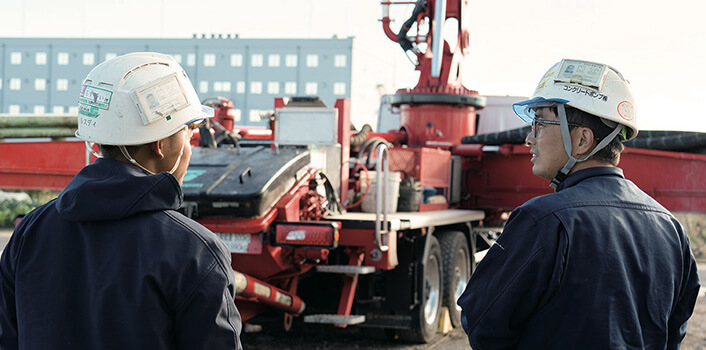
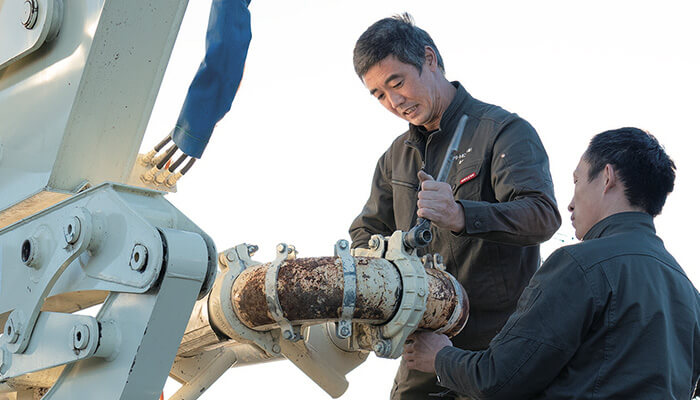
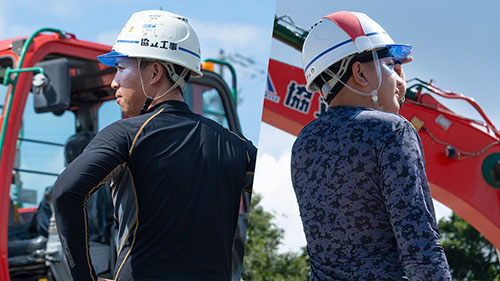
Kaku (left) and Bu (right) servicing a concrete pump truck
Pumping work is generally done by two or three people.

Voices of people working on the ground

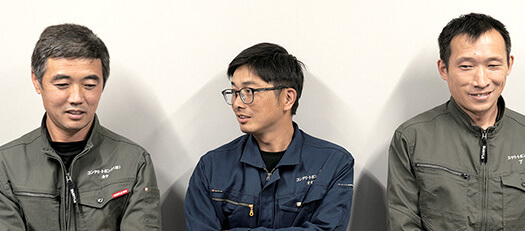
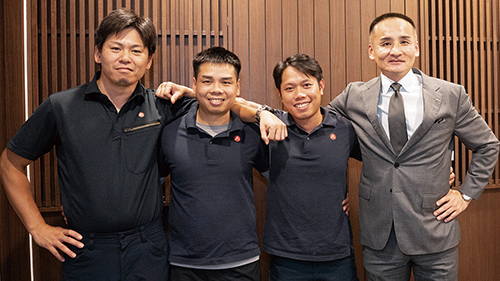
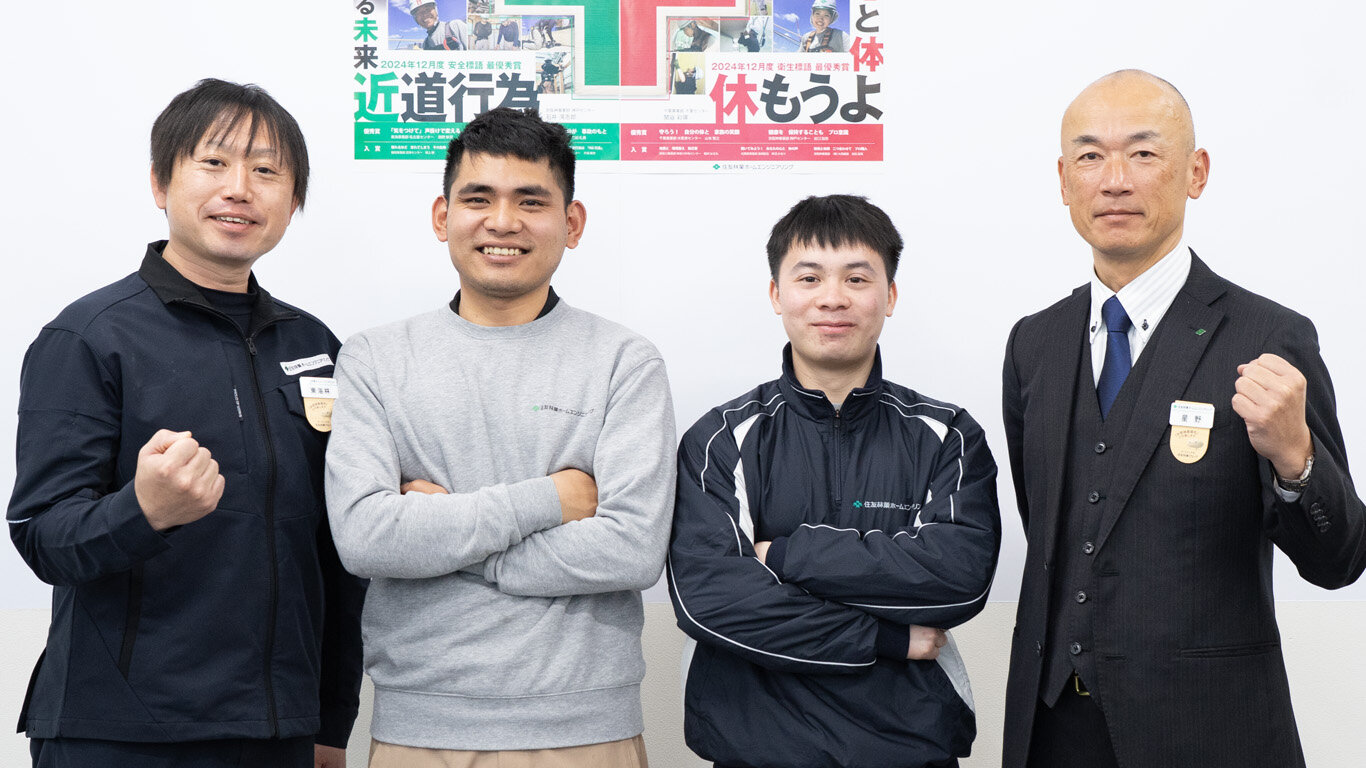
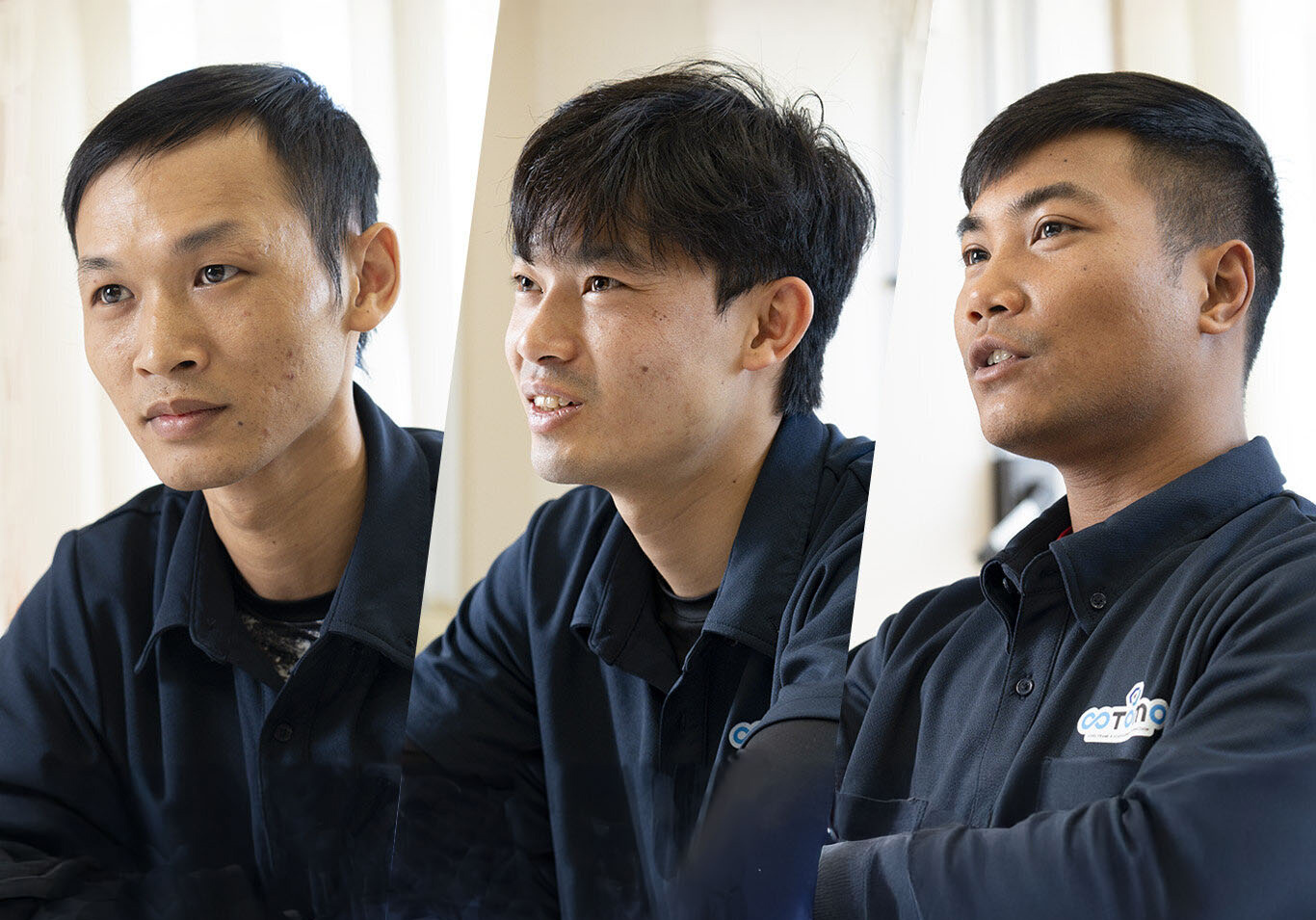
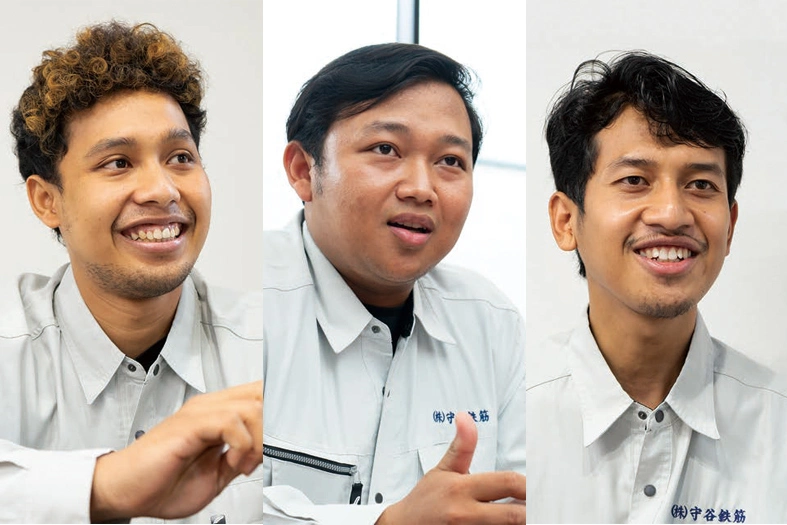
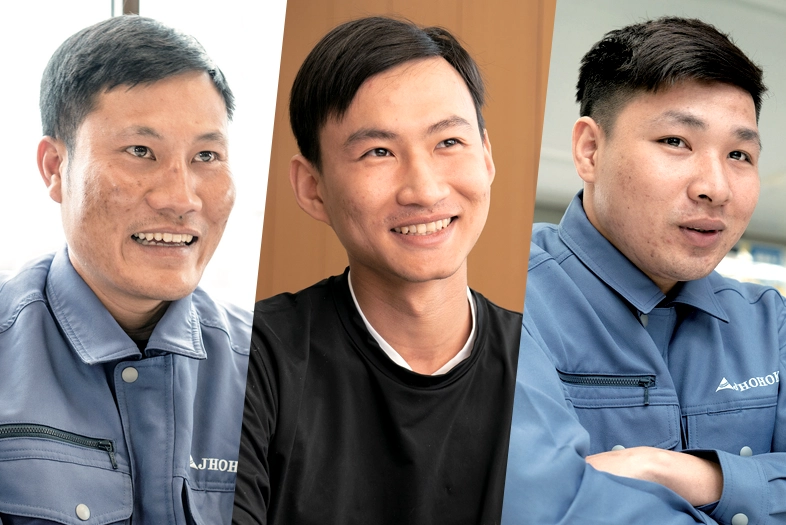
We interviewed three Specified Skilled Worker (ii) employees, Mr. Ouhi, Mr. Kaku, and Mr. Bu, about their work and life in Japan, as well as their goals for the future.

Photo: Voices of people working on-site
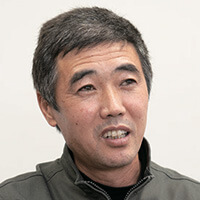
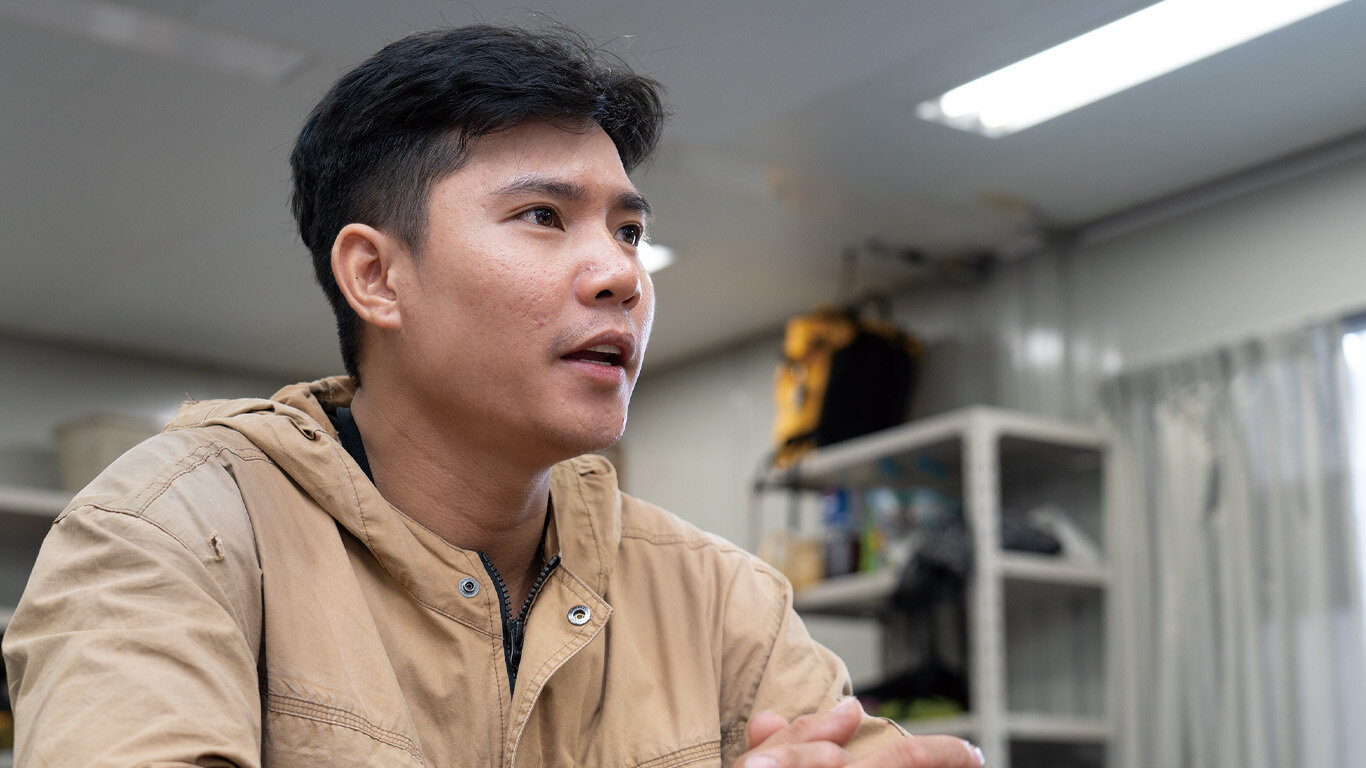
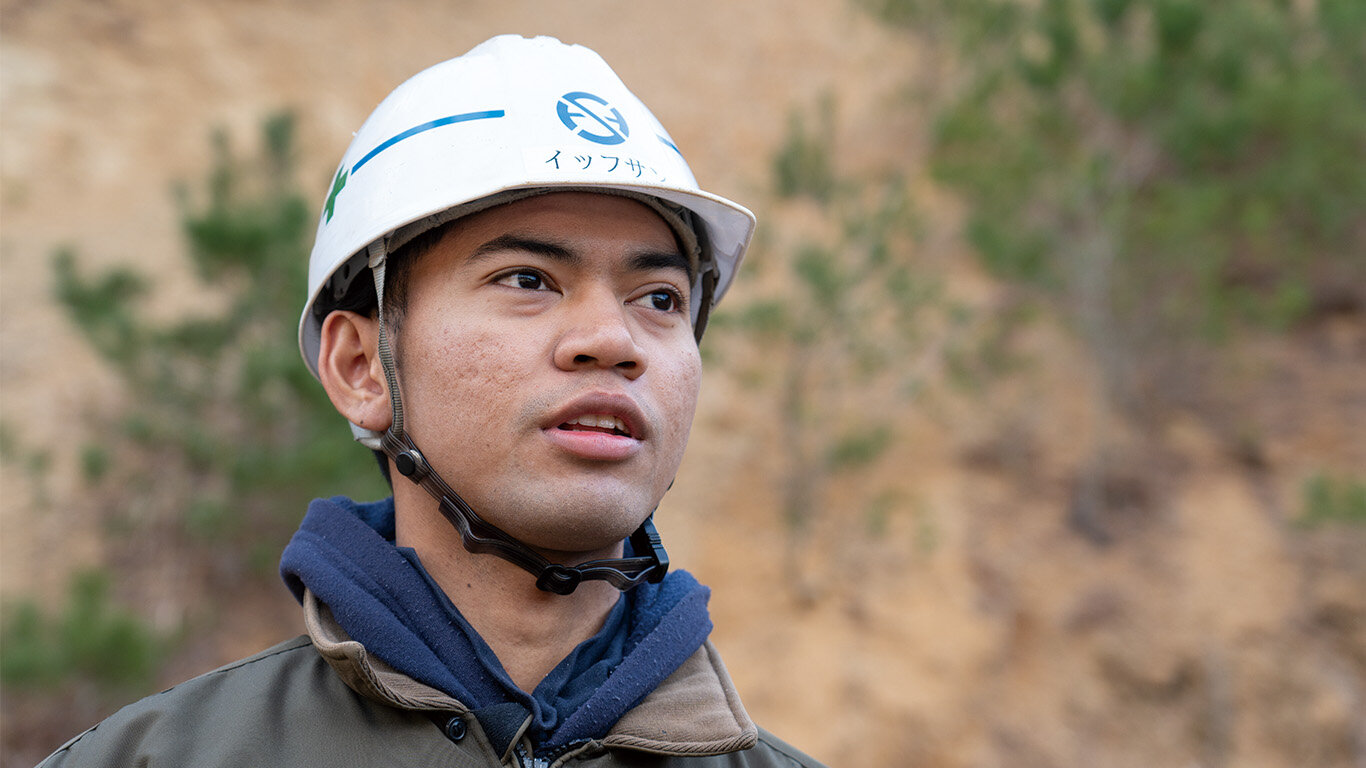
Image: Ou Hi
My dream is to live in Japan with my family. But my children's entrance exams come first!

Mr. Ouhi

In April 2022, Xiang Fei became the first person in Japan to obtain a status of residence of Specified Skilled Worker (ii). My current goal is to live in Japan with my family.

However, my son is currently in the middle of his high school entrance exam. "It's an important time, so going on to higher education is my top priority." When I asked him if he wanted to send him to a school in Japan, he said, "There are difficult problems such as school transfers and admission procedures, and I want to look into it."
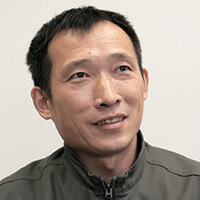
Image: Kaku Seisho
I can enjoy my work because I have Japanese seniors who help me!

Mr. Hao Qingsong

Kaku, who loves working as a raw Concrete pressure feeding, came to Japan about 10 years ago to learn technology. He is currently a father of two children and is working hard to obtain Specified Skilled Worker (ii) status of residence and bring his family over. He also has a strong spirit of love for the company, and he said with a smile, "When I am entrusted with a difficult task, my Japan seniors take the initiative to take over and always help me, so I enjoy my work."
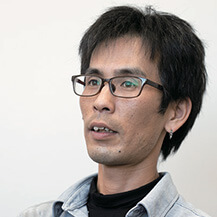
Image: Take Kaimei
The best part is enjoying a meal with Japanese and Indonesian people!

Mr. Kaimei Take

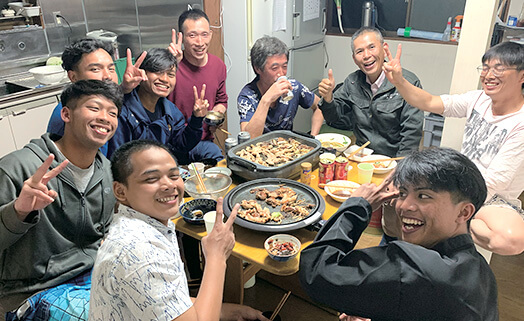
Vu says he gets along well with everyone at work, regardless of nationality, and what he enjoys most is the barbecues he has with his colleagues on weekends. "The foods we eat vary depending on culture and religion, but they're still delicious when we eat together." He's fluent in Japanese and passed his medium-sized vehicle license on the first try. "I got 96 points on the written test!" He's currently studying hard to get a large vehicle license.

Initiatives of host companies

Executive Officer, General Manager of the Pumping Division
Mr. Yuji Kitagawa

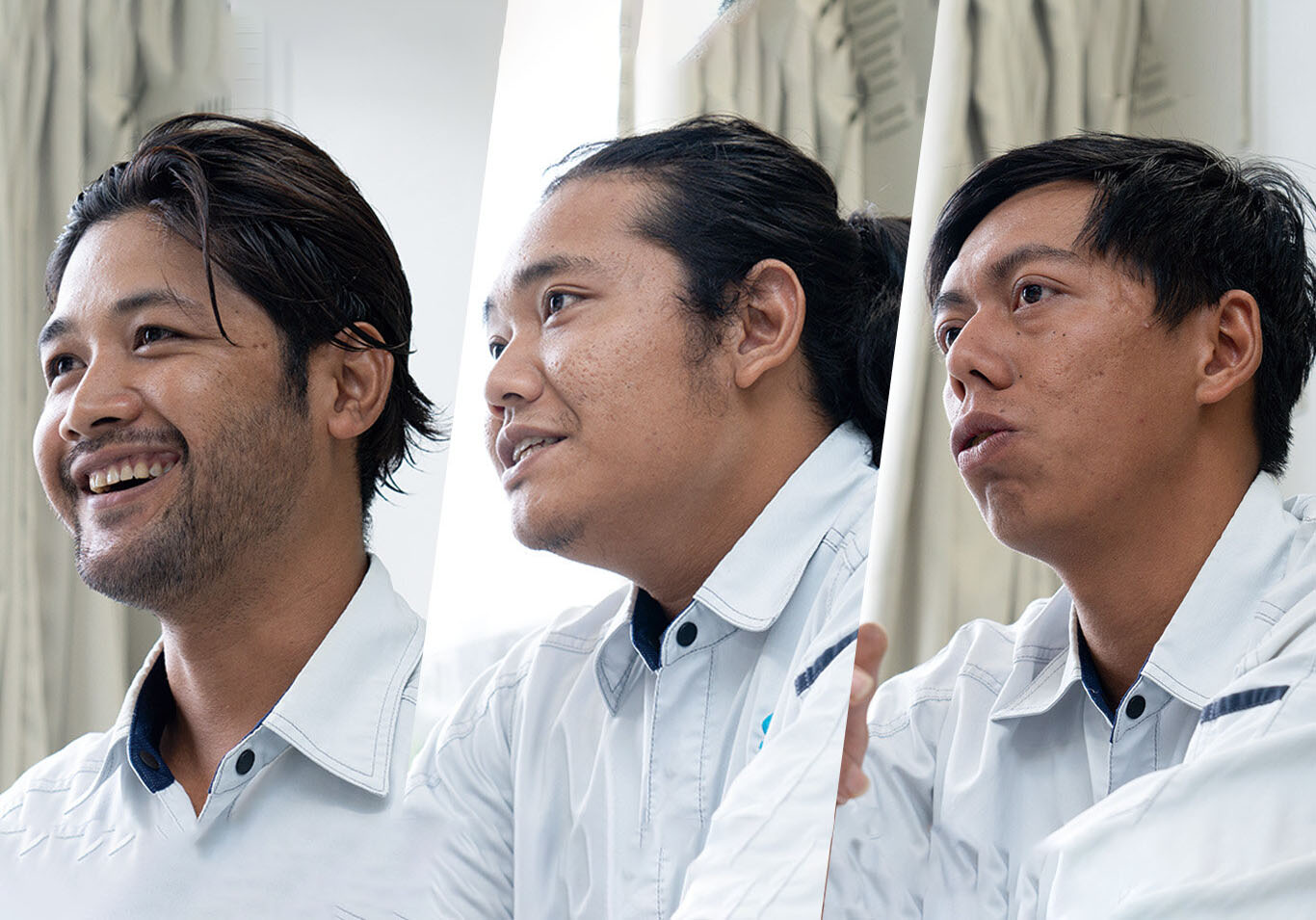
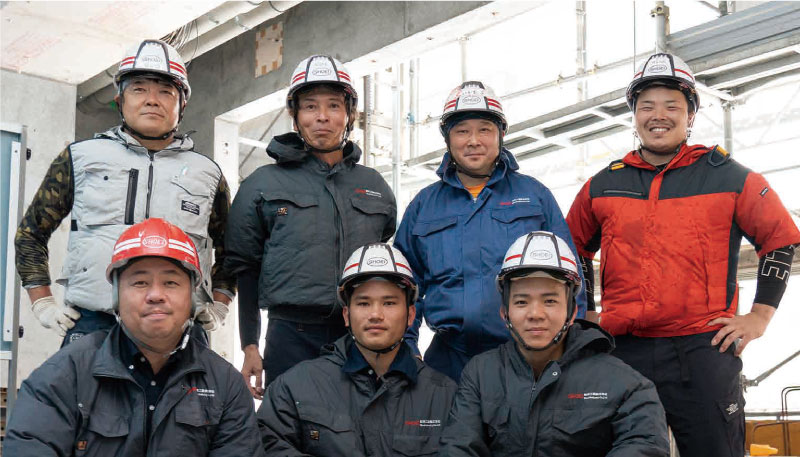
We have been accepting Chinese people since 2001, but as a new challenge, we have been accepting Indonesians since 2017. Nowadays, it is common to see Chinese people teaching Indonesians in Japanese.
What is interesting is that work values differ from country to country. Many of the Chinese who come to our company tend to prioritize salary, and work with the goal of sending more money home to their families back home.

On the other hand, Indonesians place importance on working hours and the number of holidays, and they value their privacy. Since each situation is different, such as the age difference and whether or not they have dependents, it would be rough to generalize it as a national characteristic, but I was surprised at the differences in thinking.
Despite this, we have been able to create an environment where Chinese, Indonesian, and Japanese people can work together in harmony without any trouble.

Efforts to shorten the distance

When I first started working with Chinese people, I learned the greetings from their country, such as "Ni hao" and "Xie xie," and would greet them first.

Another thing I practice is using polite language regardless of age. If you talk to someone in a friendly tone, you tend to use rude language when scolding them. To prevent this, I make a point of using polite language in my everyday life.
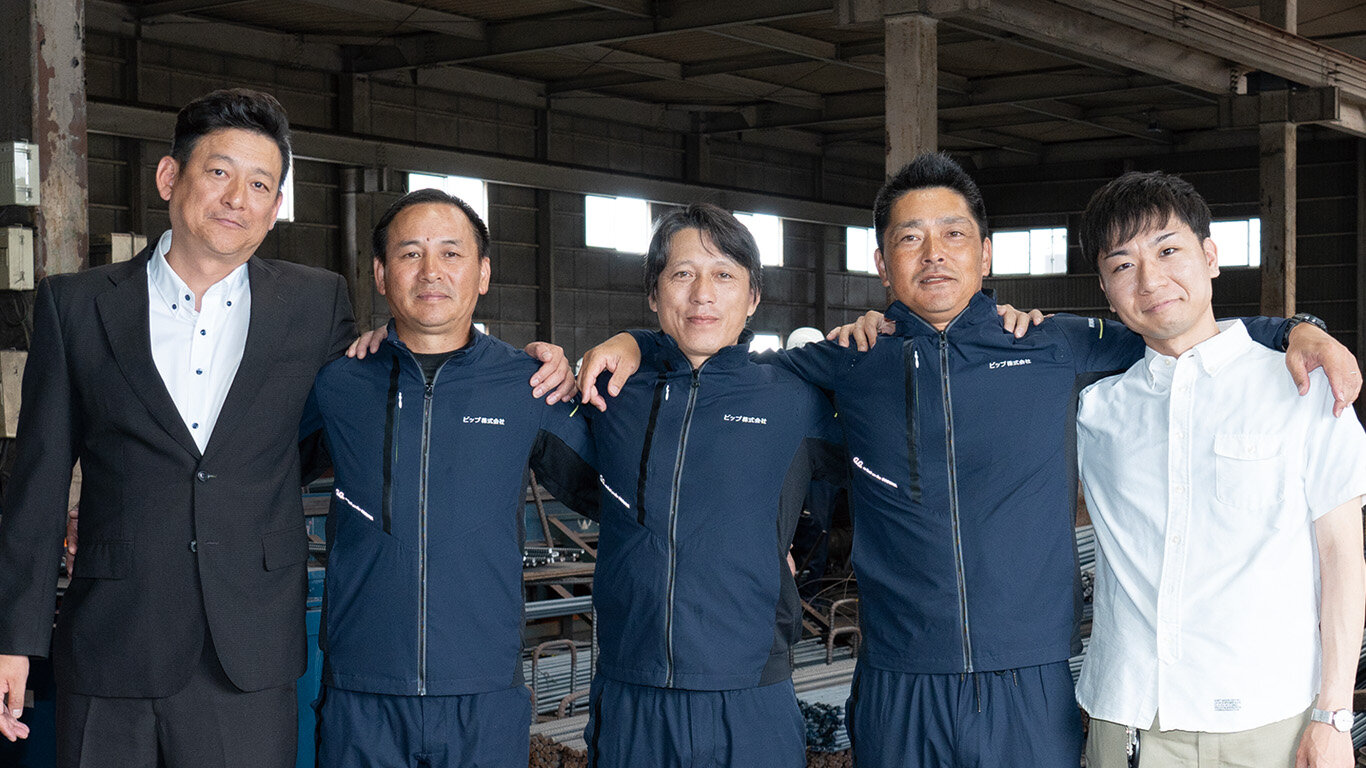
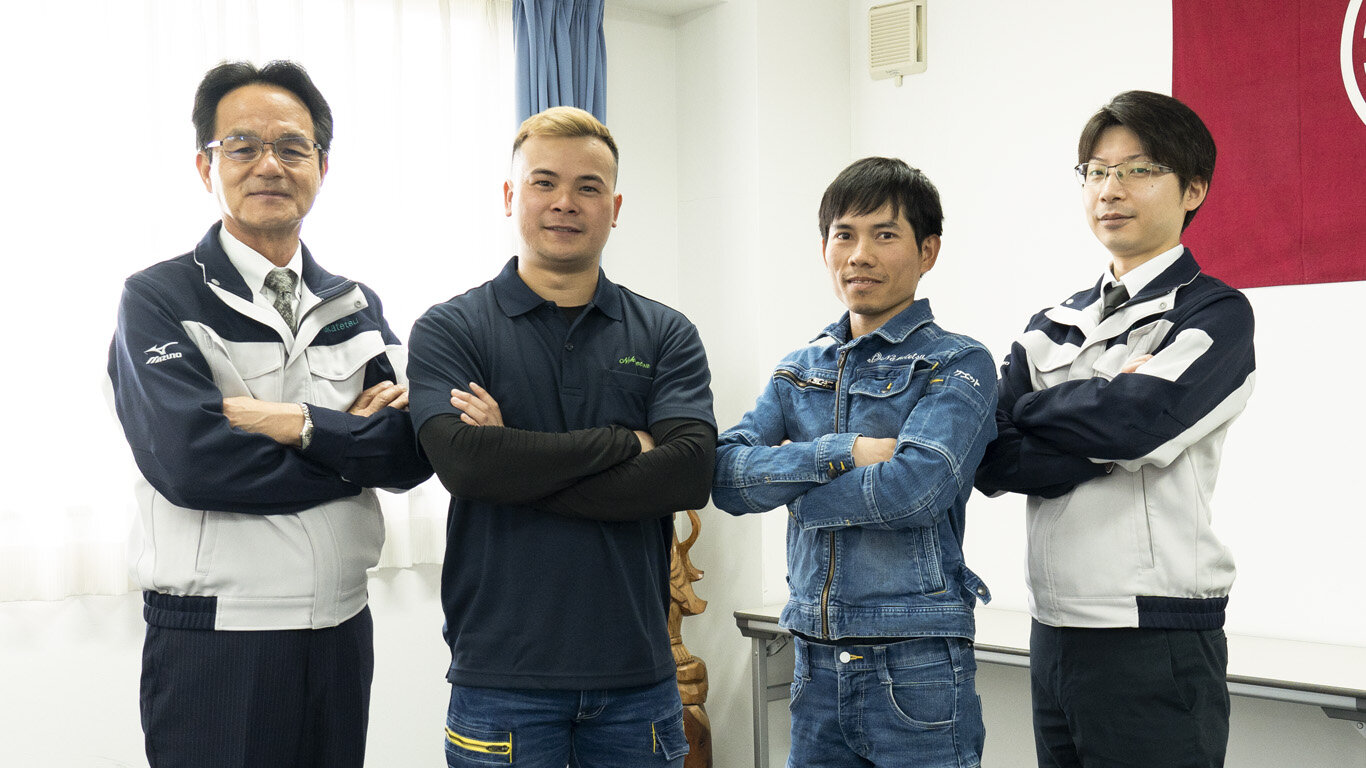
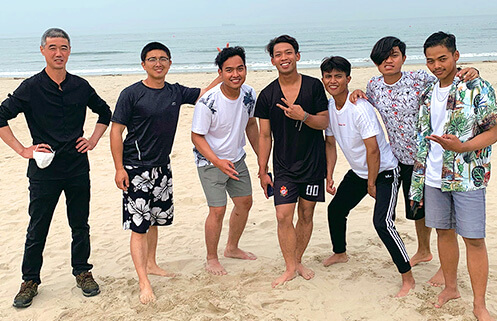
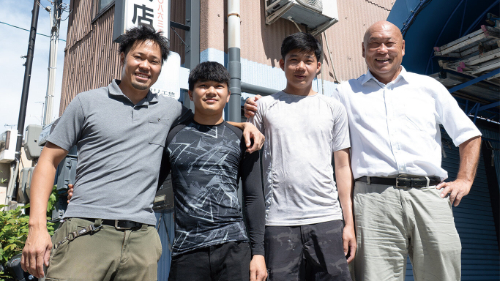
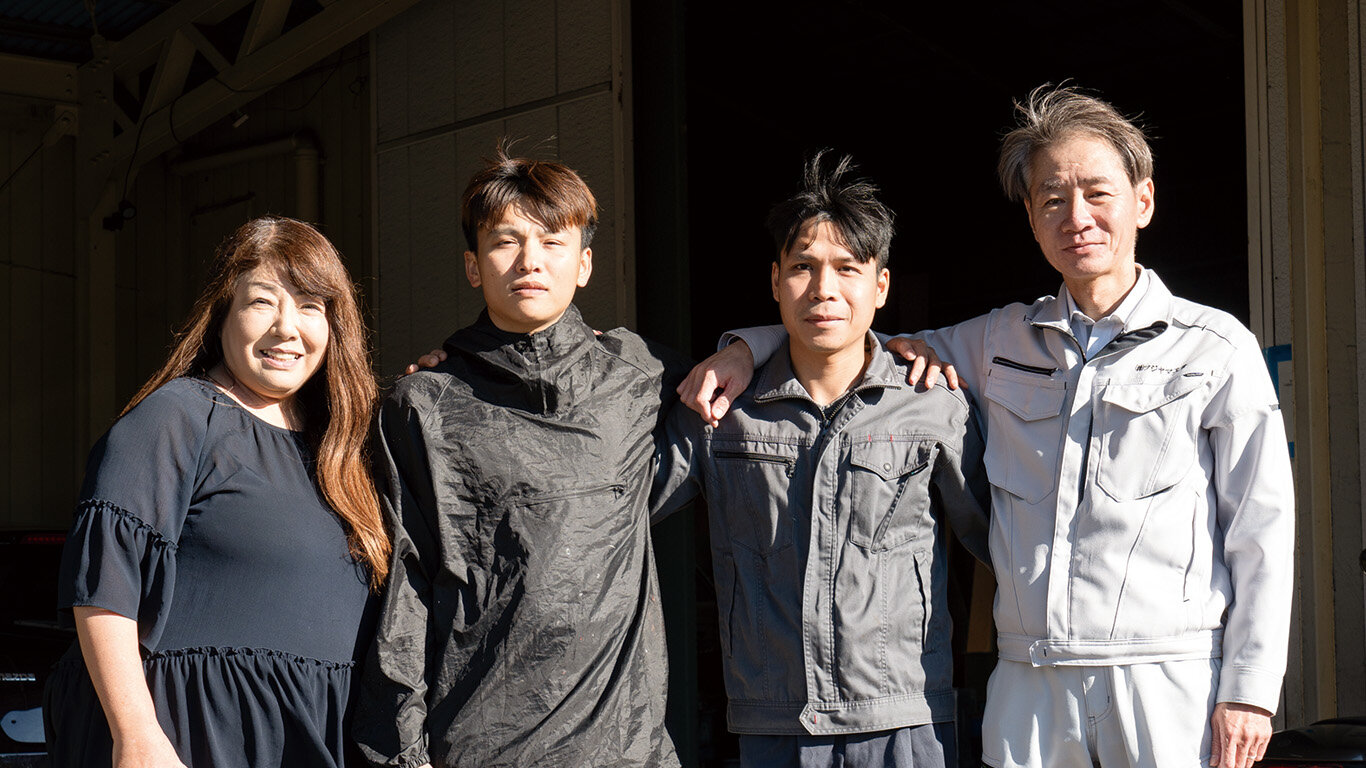
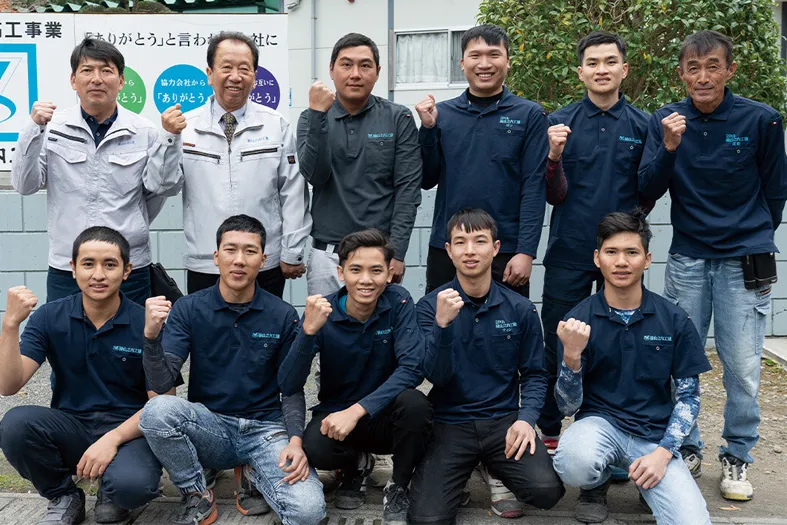
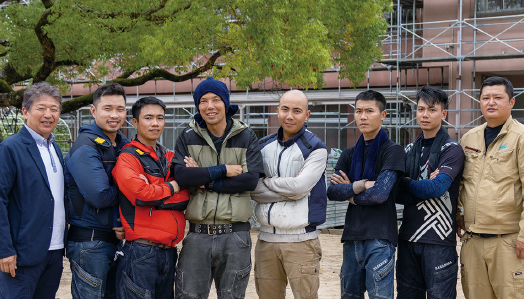
Commemorative photo taken at the beach during a company trip

Advice for companies considering accepting foreign workers

They come to Japan with a purpose and work really hard. Our foreign employees also come to us for advice on work whenever they have something to do, and we exchange ideas with each other, saying things like, "If we do it this way, it will go better." This kind of communication must be one of the strengths of the company. I'm sure they will become reliable employees.

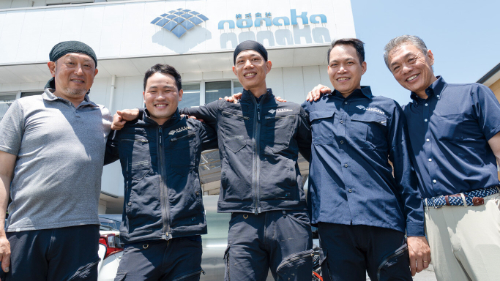
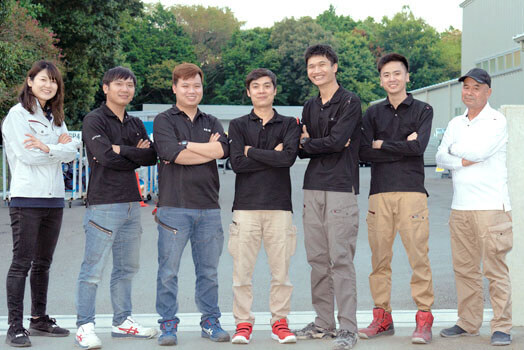
Company social gatherings are always lively
  • Weekdays: 9:00-17:30 Saturdays, Sundays, and holidays: Closed
  • Q&A
  • Contact Us