• Visionista
  • Foreign Resident Acceptance Manual
  • JAC Magazine
  • People who want to work in the Japanese construction industry
  • KEN GI JIN connect people, construction companies, and the world
  • Facebook (for Japanese companies)
  • Facebook (Japanese for foreigners)
  • Instagram
  • Youtube

Examples of companies that employ foreigners

They are talented people who continue to work hard and who we don't want to let go of.

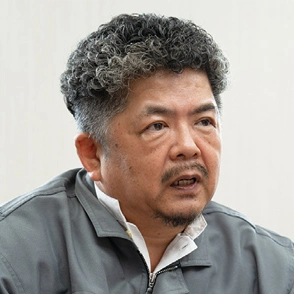
Image: Representative Director Takumi Uchiyama

Takumi Uchiyama, CEO of Diatec Co., Ltd.

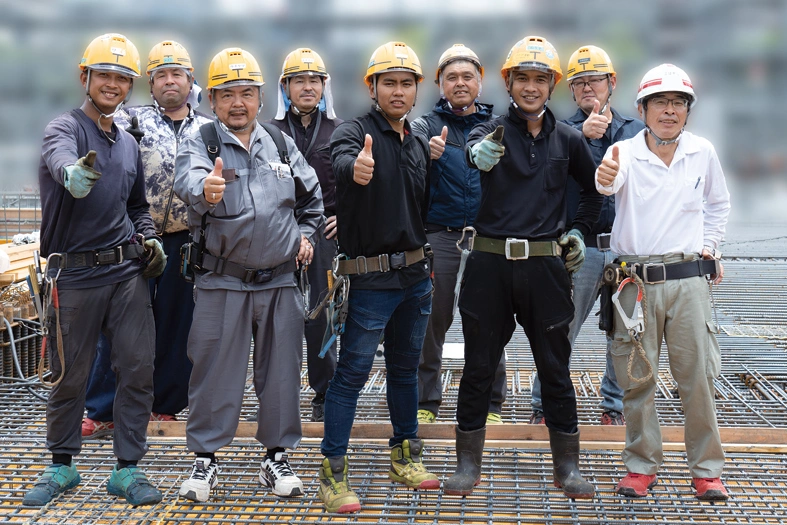
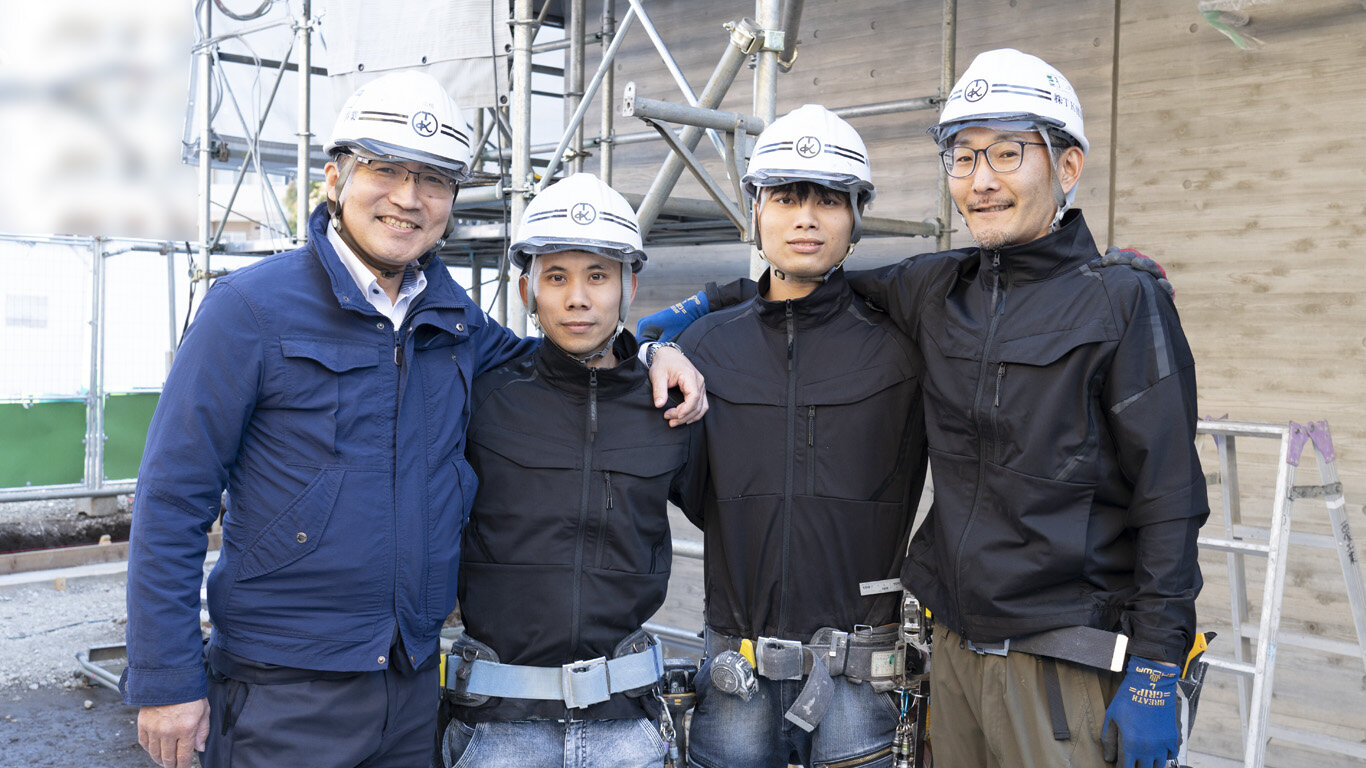
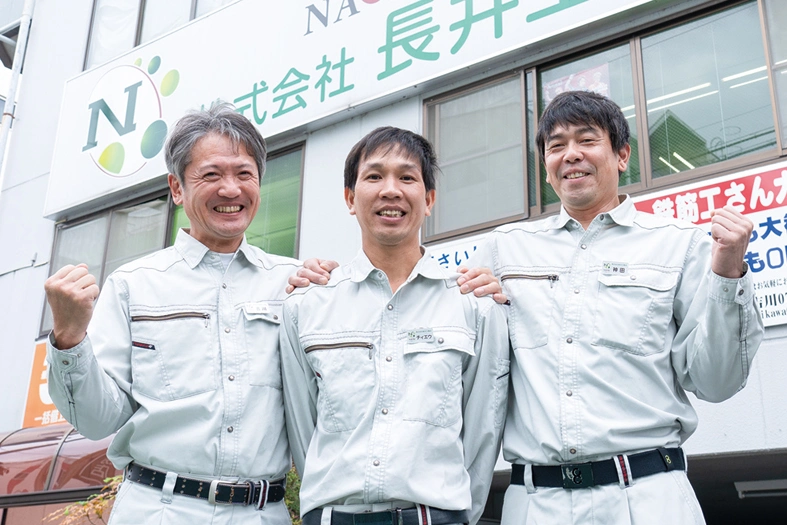
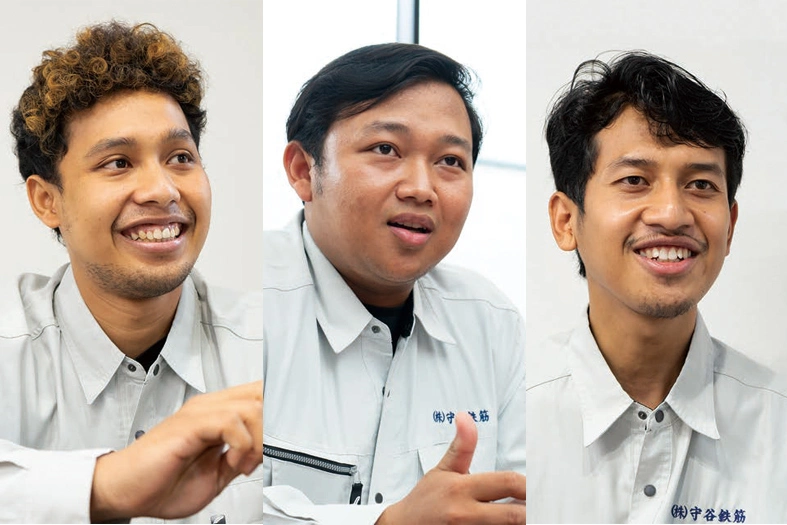
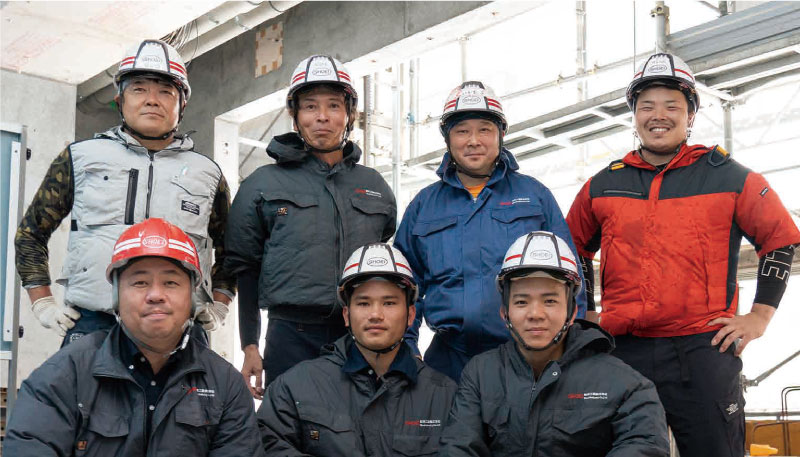
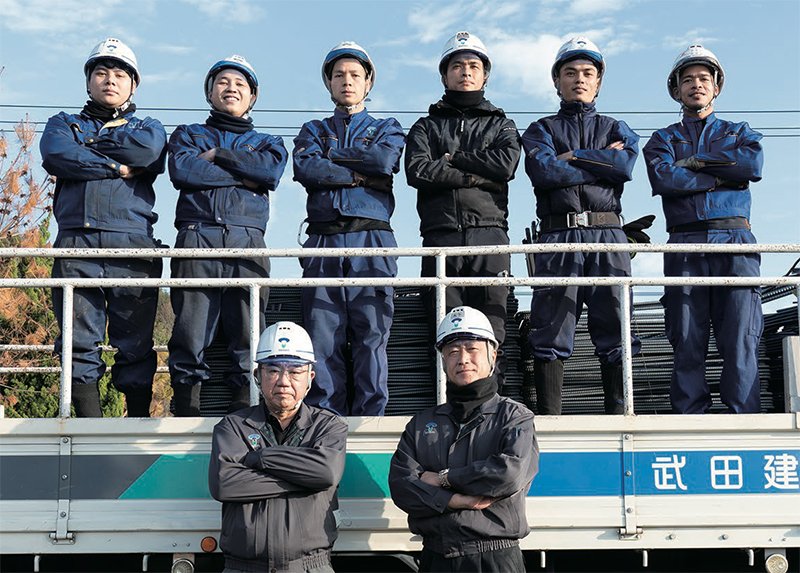
Diatec Co., Ltd., located in Tokyo, began accepting Indonesians in 2017 and currently employs many of them. In this article, we introduce the voices of the company's representative, Mr. Uchiyama, and an Indonesian woman named Wafi.

Host company interview

Company Profile

Address: 4-18-6 Higashikasai, Edogawa-ku, Tokyo
Business: Reinforcement bar construction, etc.

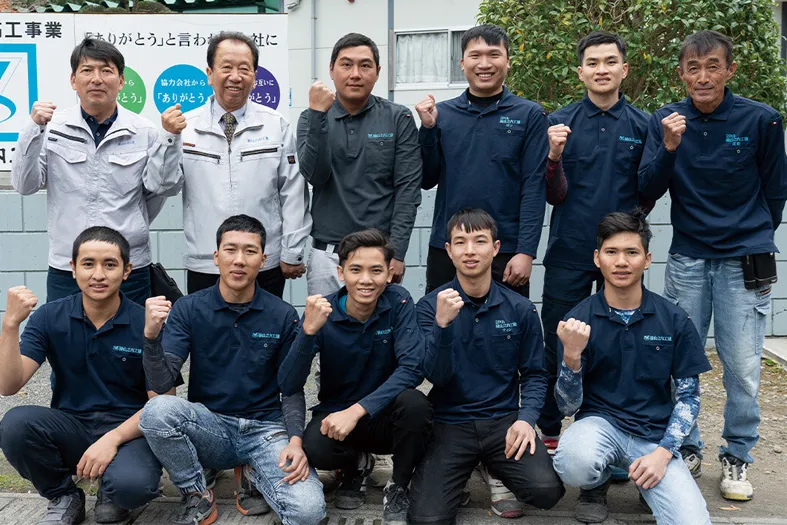
5 foreigners / 21 employees) 1 Specified Skills / 4 Technical Intern Training students (all Indonesian)
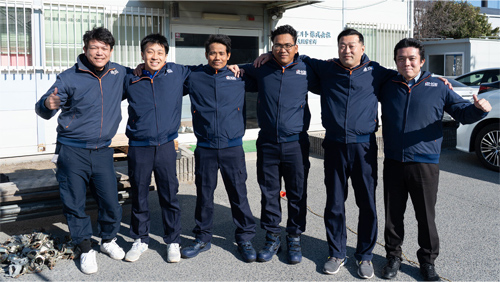
Image: Diatec Co., Ltd.
  • Giving up on recruiting and starting to accept
  • It is also important to listen to people's opinions without imposing rules
  • I want to be someone you can talk to about your worries and concerns.
Wafi is particularly serious at the scene
Why did you decide to accept?
Up until about 10 years ago, we continued to recruit general employees and high school students, but we gave up on recruiting because the employees we hired didn't seem to stay long and the number of applications was decreasing. Instead, we started hiring foreigners in 2017, at the recommendation of a coworker.
What was good about accepting it?
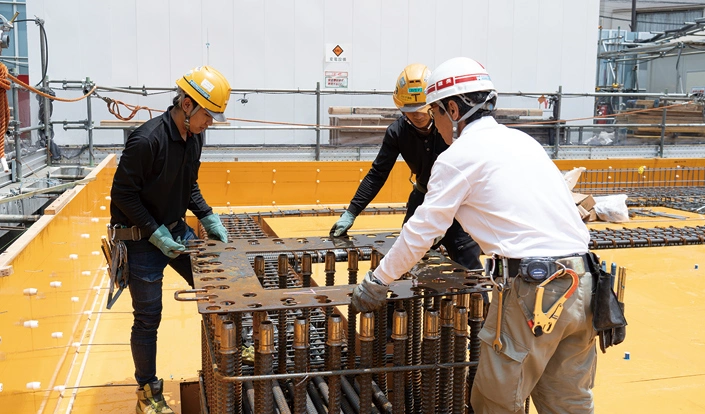
They have become a valuable asset at a much faster rate than I expected. At first, I was worried about the language difference, but that was the only problem. Also, rebar work is basically physical work, so once they get the hang of it, it's not that difficult to give them instructions. In fact, they are still working without any problems.
What are your plans for the future?
Eventually, I would like them to become Specified Skilled Worker (ii) and leave the field to them. Certainly, in order for them to work and live in Japan, there are not low barriers such as differences in language, culture, and religion. However, it is necessary not only to impose Japan's culture and rules, but also to listen to their wishes. I always tell them the importance of insisting that they don't like what they don't like.
Initial deployment
・Securing dormitories
・Home appliances
・Daily necessities
·bicycle
・Wi-Fi environment
・Recruitment of life guidance counselors, interpreters, and instructors
etc.
Salary system image
・ Specified Skills (monthly basic salary) about 237,000 yen
・ Technical Intern Training from 2022 (monthly basic salary) about 183,000 yen
・ Other Technical Intern Training (daily and monthly salary) about 198,000 yen

He is highly trusted by his superiors as an important asset.
As a senior, he also guides his juniors.

Voices of people working on the ground

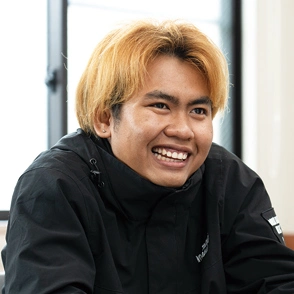
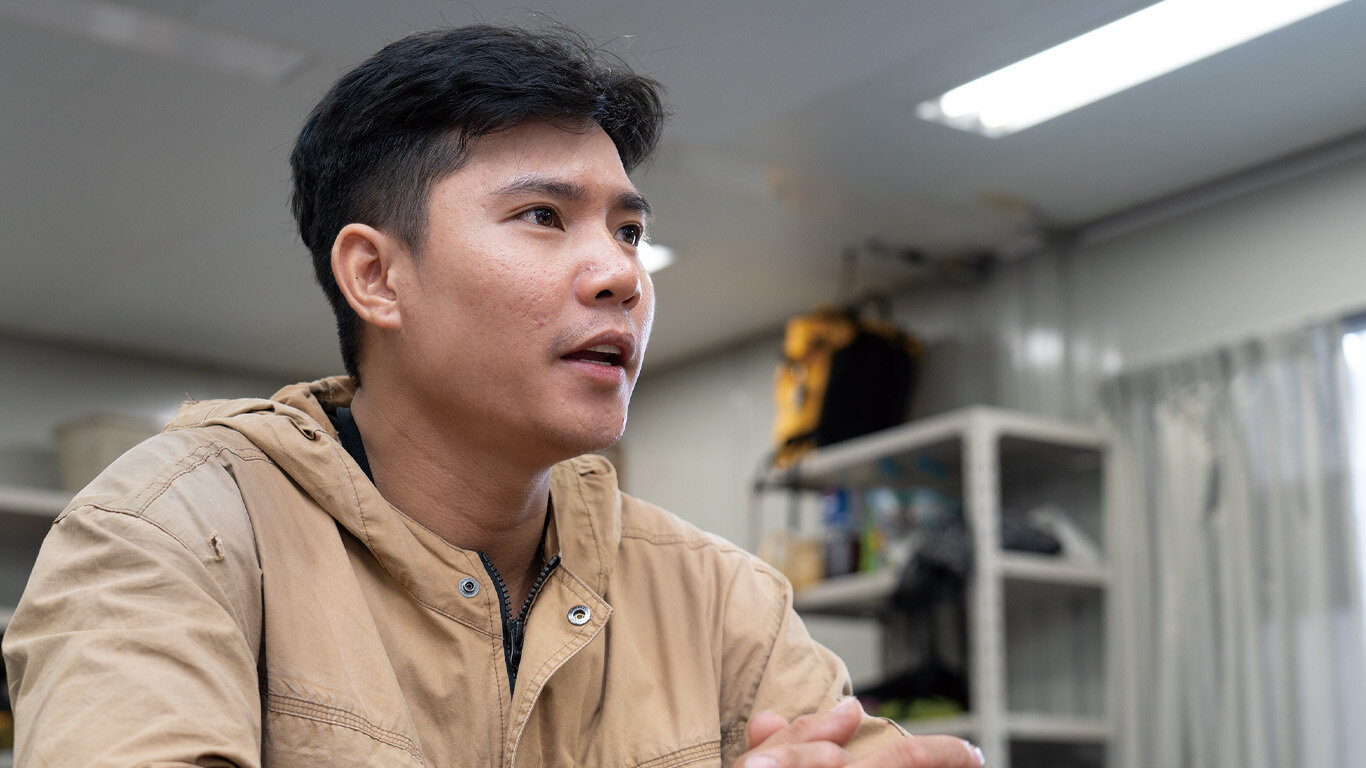
We spoke with Wafi, a Specified Skilled Worker (i) at the company, about her work and life in Japan, as well as her goals for the future.

Photo: Voices of people working on-site
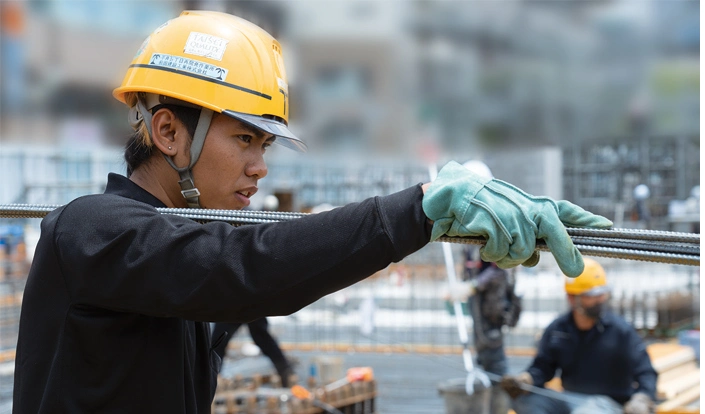
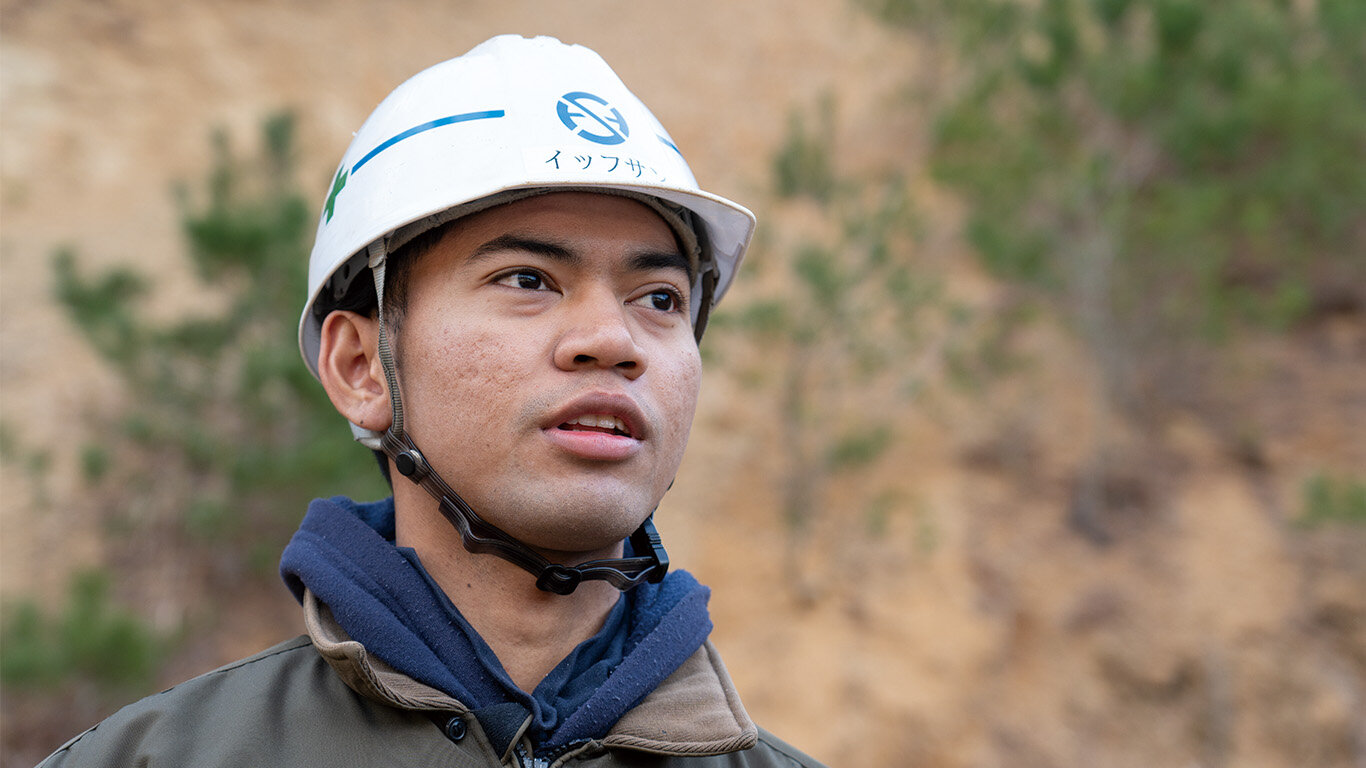
Image: Wafi
My dream is to one day open a motorcycle parts store and build a house!

Wafi

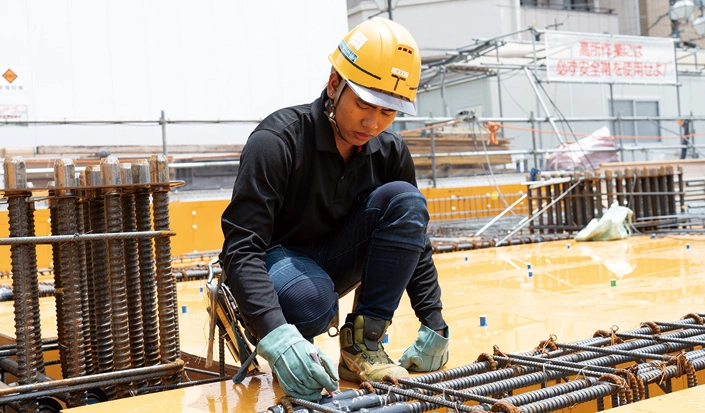
Wafi is in charge of reinforcing bar work at the site. In addition to sending money home to his family, he came to Japan at the age of 19 with the dream of opening a shop selling motorcycle parts, which he loves, and building a house someday. Although he was a little worried about life in Japan, he was able to adapt quickly. However, the toilet was different. "In Japan, we use toilet paper, but in Indonesia, we don't use paper, we wash with water. So it took me a while to get used to using the toilet. But shower toilets are convenient." In order to help them enjoy life in a foreign country, President Uchiyama took them to a club. Since all the Indonesians he welcomed were young, he went there as a place to enjoy dancing and music. "I love to dance. It's an unforgettable memory." Now he has gotten used to life in Japan and enjoys cycling on his days off. "I've been to hot springs. It's great because it gives you a sense of freedom, but I'm still a little embarrassed to be naked, so I went in wearing swim trunks." Still young and living a fulfilling life, he works hard every day to make his dreams come true.

Initiatives of host companies

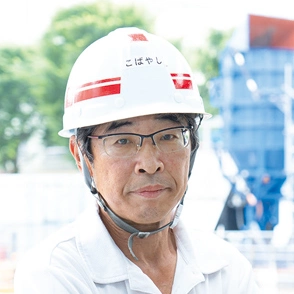
Director and General Manager
Mr. Mitsuo Kobayashi

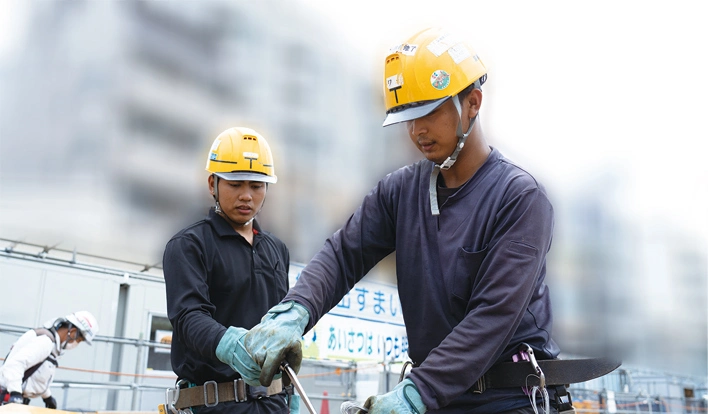
A construction site is a place where dangers such as even a fall can cause injury. How can we make them understand dangerous places and work when we cannot communicate well? Also, when we tell them "it's dangerous" at the time when we feel it is dangerous, can they understand it? I felt that communication was an issue. If they get injured, it will not only be painful for them, but it will also cause trouble for the whole construction site. Therefore, I explained the work content and safety management carefully and thoroughly. Even if they said "yes, yes" or "I understand," I repeatedly checked whether they really understood, and I made sure that they were basically accompanied by a Japanese person on the construction site one-on-one and did not let them work alone. However, they grew faster than I expected. I personally think that this is due to their strengths, their "obedience," and their own efforts to understand. Reinforcement work is mainly physical labor, but they have the mental strength to carry it all day without complaining. Also, seeing the accumulation of such efforts, I think that they are all excellent human resources that I do not want to let go of.


Efforts to shorten the distance

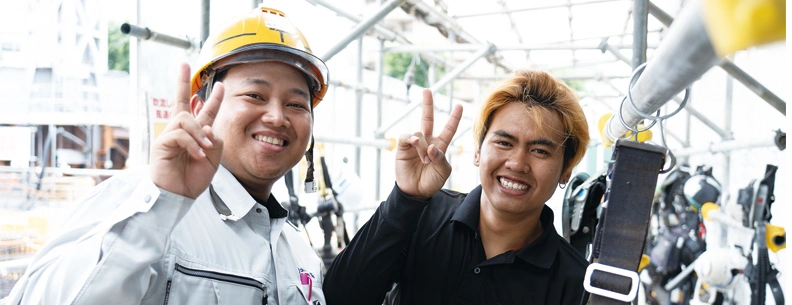
After they were accepted, in order to work smoothly, it was necessary for them to first get used to the atmosphere at the site. Therefore, we made sure that they would blend in with the Japanese seniors who were actually teaching them the work at the site. Because of the language and cultural barrier, I was worried at first whether they would fit in well, but they are honest, so they were soon loved by the seniors. However, I'm sure they also have their own personal worries and concerns. We Japanese have family and friends in the same Japan, and people around us that we can talk to if something happens. But do they have such people in Japan? That's what I'm a little worried about. If possible, I would like us to be that kind of presence.
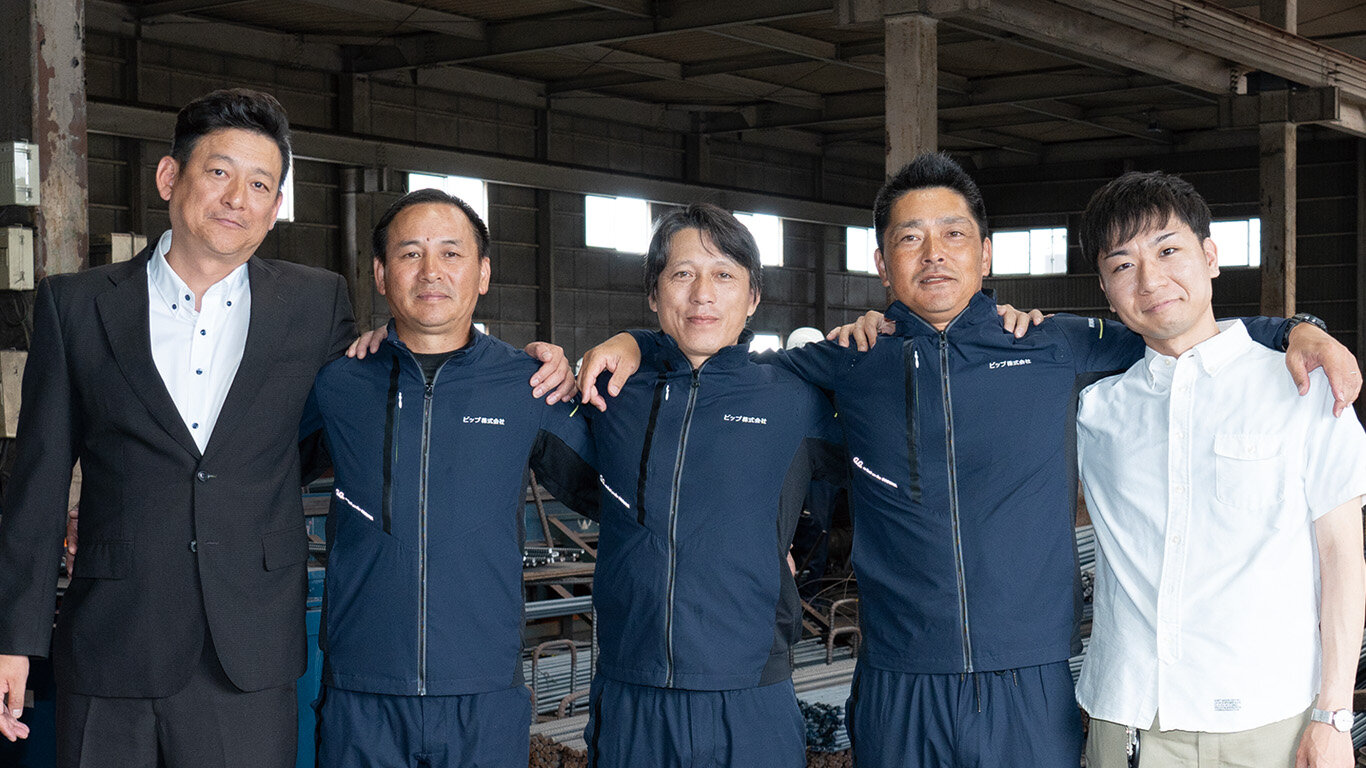
"Reinforcement work is difficult but rewarding," says Wafi.

Advice for companies considering accepting foreign workers

When we first accepted them, there was a person who became ill due to the heat during the hot summer months. When we asked, "Are you OK?", they answered, "I'm OK." However, no matter how you looked at them, they didn't look OK. They probably couldn't express well what their current situation was or how they felt. In such cases, if we are unable to respond appropriately, it can lead to irreversible consequences. If possible, we want them to be aware of creating a system that allows for good communication in such situations.

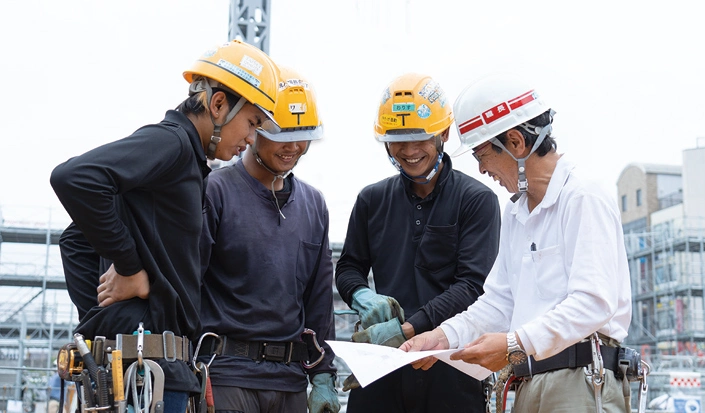
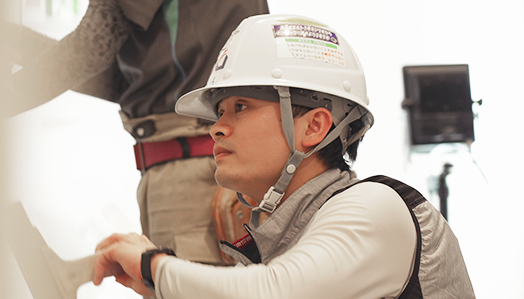
Meeting with Kobayashi-san and his junior colleagues looking at blueprints
  • Weekdays: 9:00-17:30 Saturdays, Sundays, and holidays: Closed
  • Q&A
  • Contact Us