• Visionista
  • Foreign Resident Acceptance Manual
  • JAC Magazine
  • People who want to work in the Japanese construction industry
  • KEN GI JIN connect people, construction companies, and the world
  • Facebook (for Japanese companies)
  • Facebook (Japanese for foreigners)
  • Instagram
  • Youtube

Examples of companies that employ foreigners

Our responsibility is to respond to their wishes and help them return safely to their home countries.

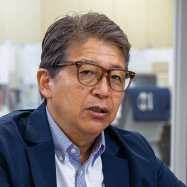
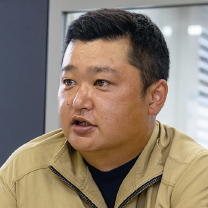
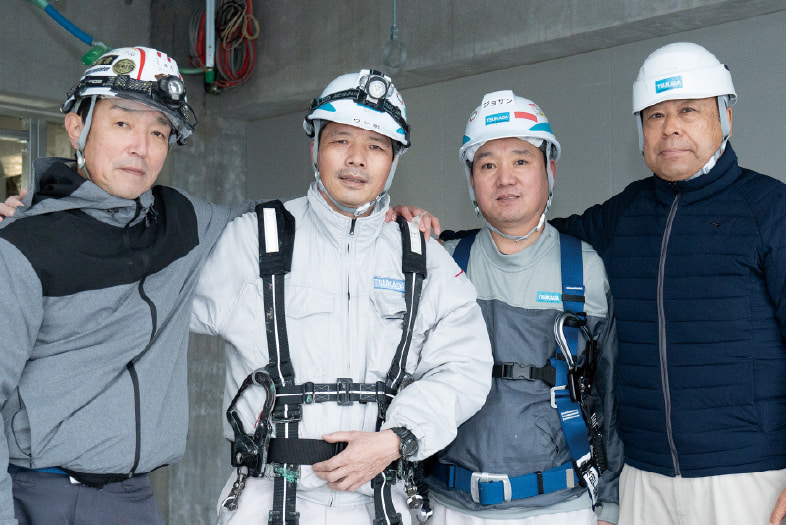
Image: General Manager Hiroshi Okamoto

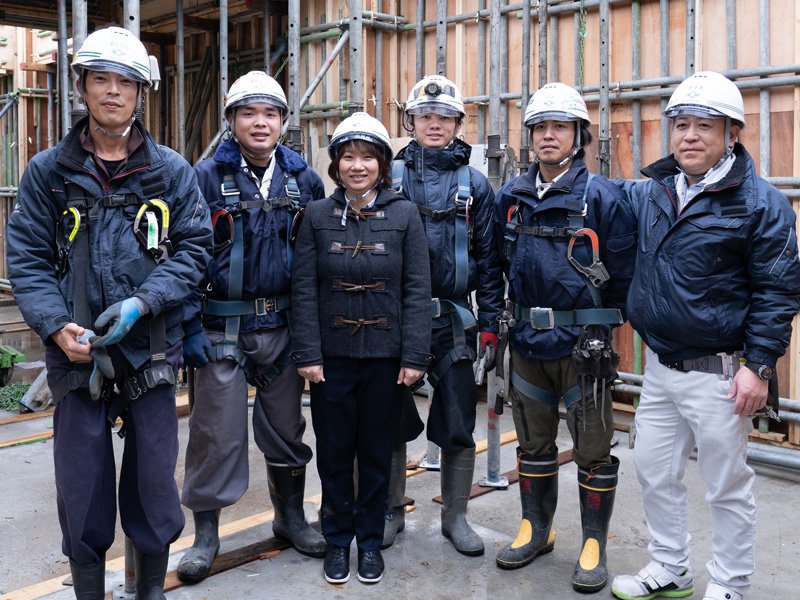
Mr. Hiroshi Okamoto, General Manager of Hayabusa Corporation/Hayabusa Build Co., Ltd.

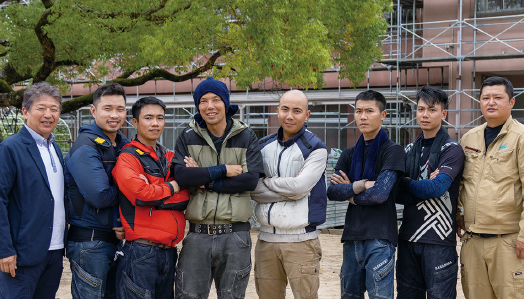
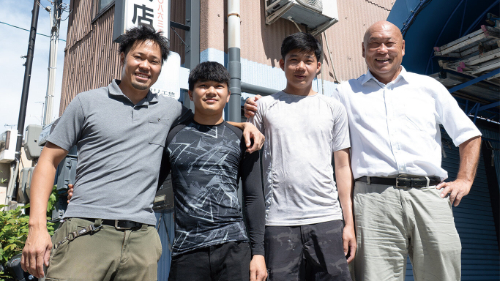
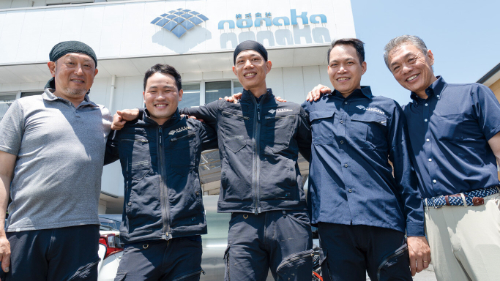
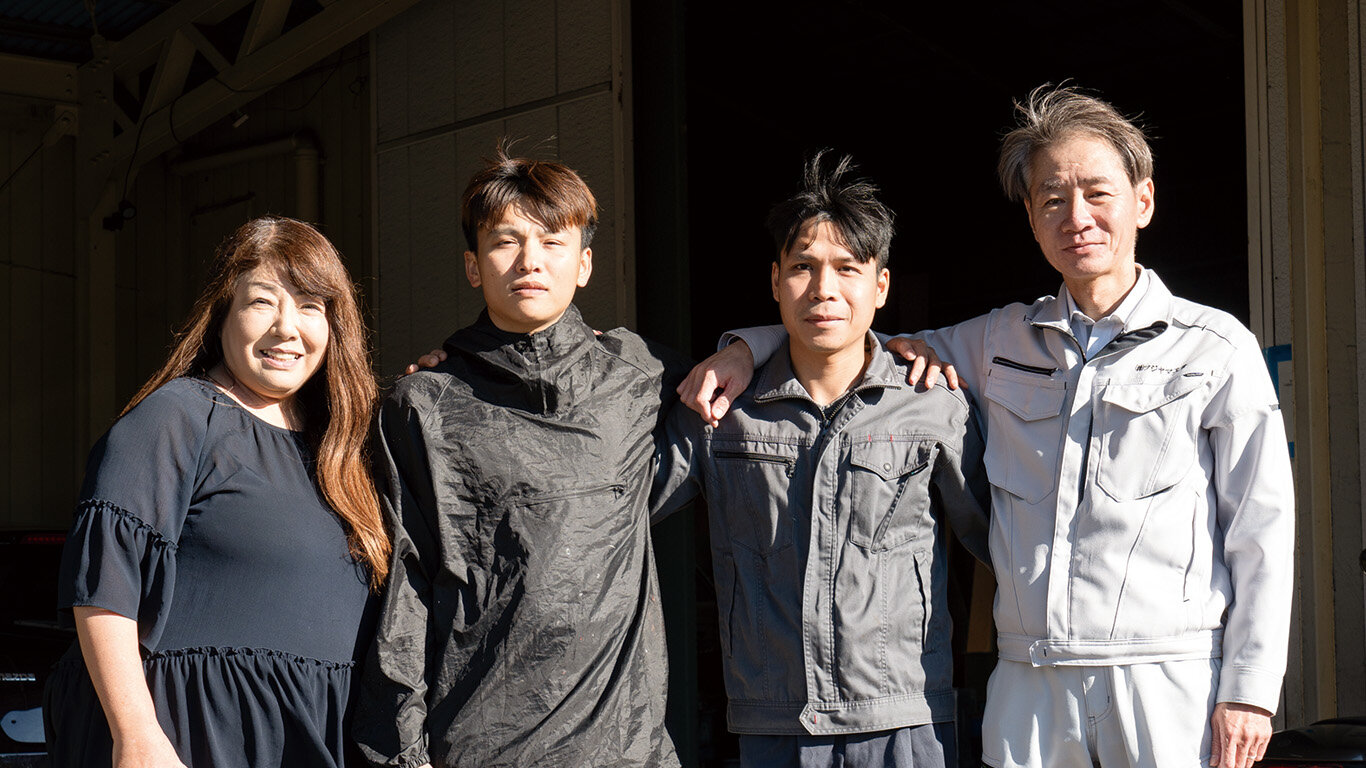
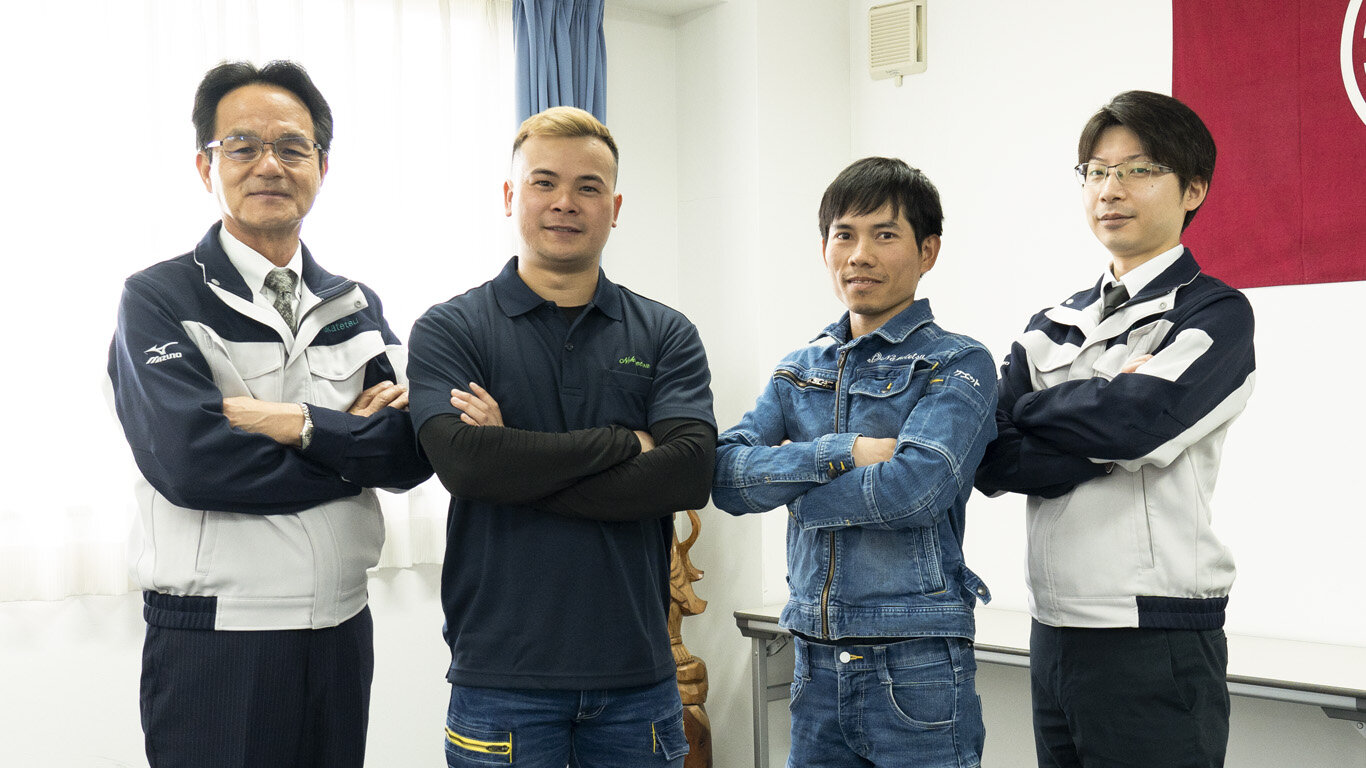
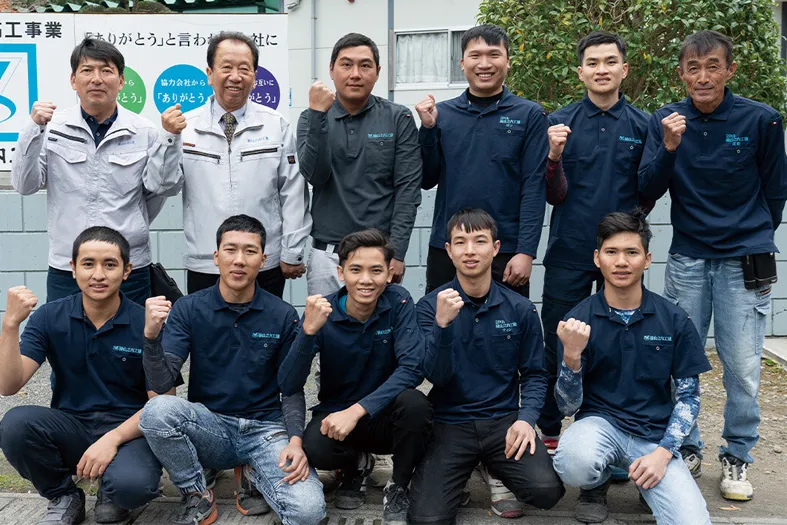
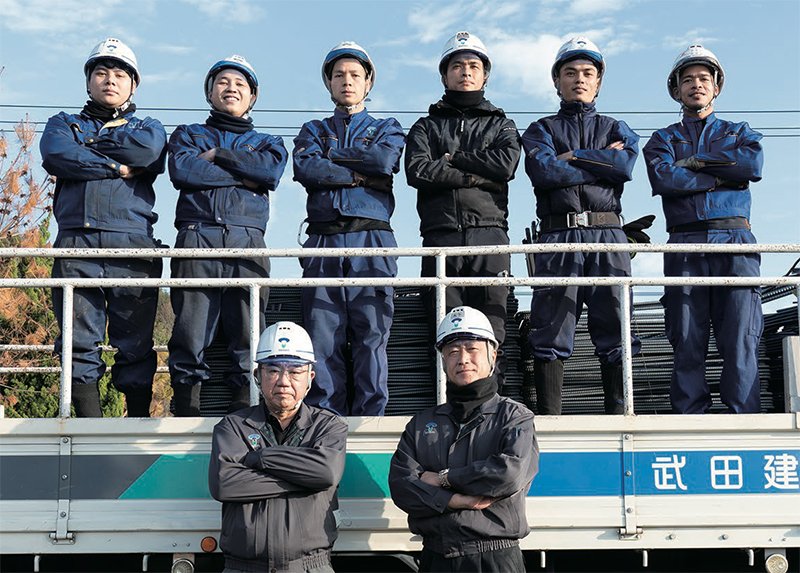
Okayama Prefecture's Hayabusa Corporation and Hayabusa Build have been accepting Vietnamese since 2004 and continue to employ many Vietnamese people. This time, we introduce the voices of the company's representative, Mr. Okamoto, and three Vietnamese employees.

Host company interview

Company Profile

Hayabusa Corporation
Hayabusa Build Inc.
Location: Okayama Prefecture Kurashiki City Obitaka 171
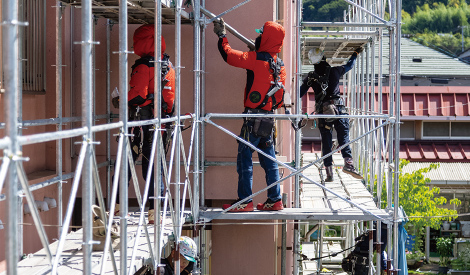
Business Description: Scaffolding, Earthmoving, Civil Engineering, Painting

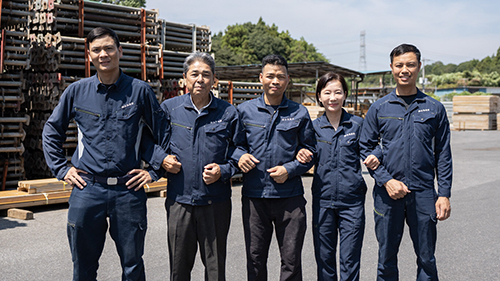
16 foreigners / 36 employees) Specified Skills 5 / Technical Intern Training students 11 (all Vietnamese)
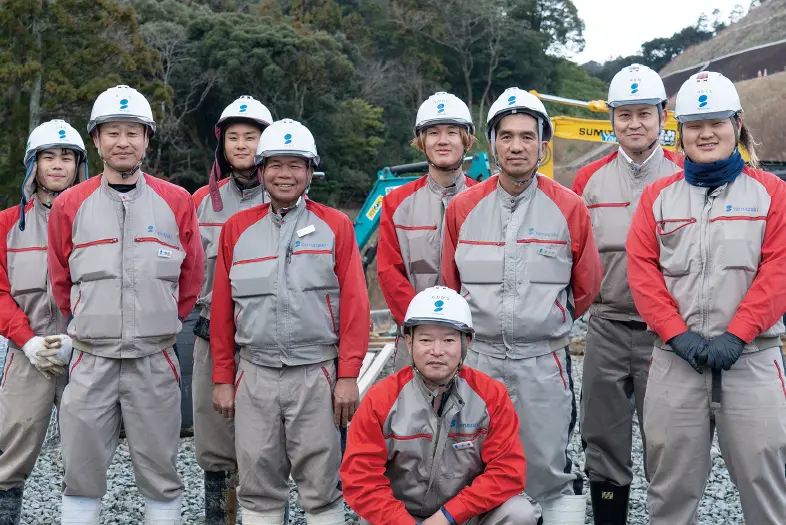
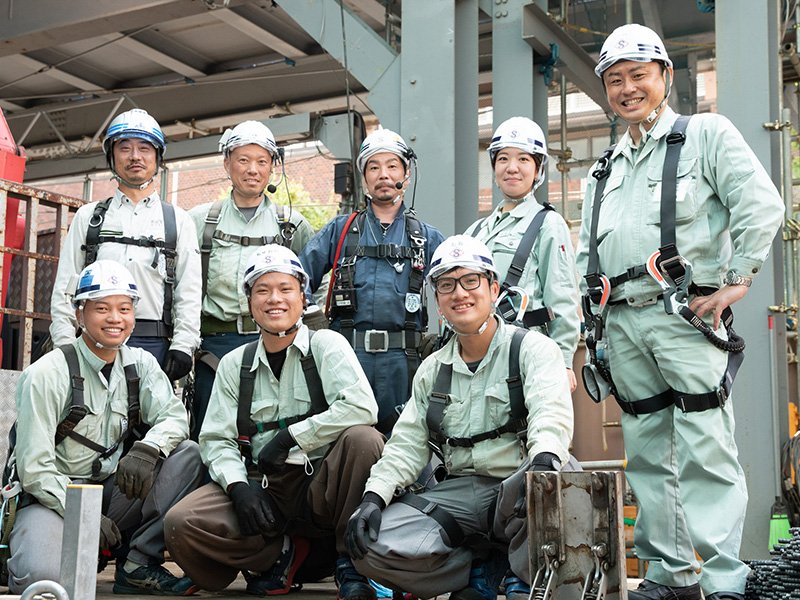
Image: Hayabusa Corporation Co., Ltd./Hayabusa Build Co., Ltd.
  • Creating an environment where students can compete with Japanese students
  • Deepening understanding of foreigners through contributions to the community
  • Understand the other person's culture and build a deep relationship
"I've learned most of the work," says Kwon, who has been with the company for seven years.
Why did you decide to accept?
I heard about the acceptance program from an acquaintance and became interested in the initiative to develop foreign human resources. When we first accepted Chinese people, we were impressed by their hard work, which was just as enthusiastic as the Japanese. Since then, we have accepted foreigners every year.
What was good about accepting it?
People who come to work from overseas have a hungry spirit. Our company has a salary increase system based on skill level, which helps to increase the motivation of foreigners. When Japanese people see this, they also try their best to compete, creating a positive synergy between them.
What are your plans for the future?
So far, we have accepted Chinese and Vietnamese people, so next we are thinking of accepting Indonesians. From what we have heard from companies who have interviewed Indonesians, many of them are eager to work in Japan and say, "Please give us a chance!" If that is the case, we would like to respond to their wishes and provide them with a place to work, and we are currently in the preparation stage.
Initial deployment
・Securing dormitories
・A set of household appliances
・Providing cooking utensils
・Improvement of Wi-Fi environment, etc.
Salary system image
・ Specified Skills (basic salary) about 330,000 yen~/month
Bonus: 20~300,000 yen/year
・ Technical Intern Training (basic salary) about 17~300,000 yen/month
Bonus: 15~200,000 yen/year
*There is a salary increase according to skill mastery, etc.

All Specified Skilled Worker have obtained a Class 2 Certificed Skilled Worker
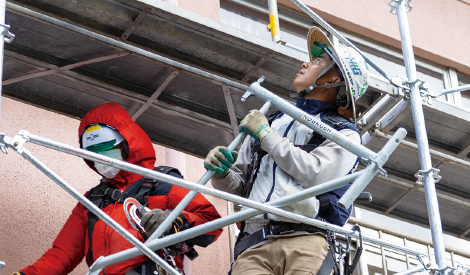
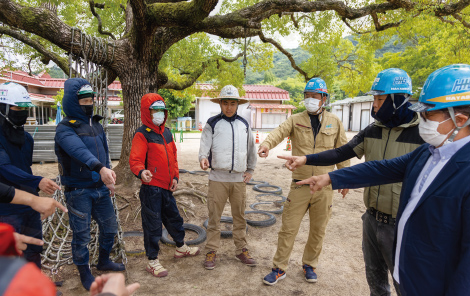
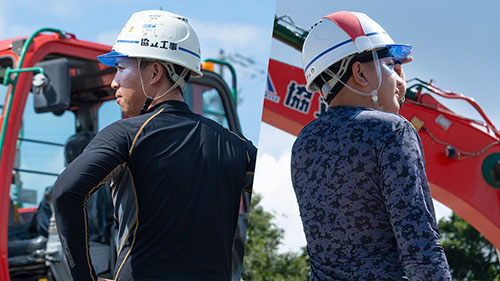
The pointing and calling out phrase to check for safety is "Yoshi!" in Japanese.

Voices of people working on the ground

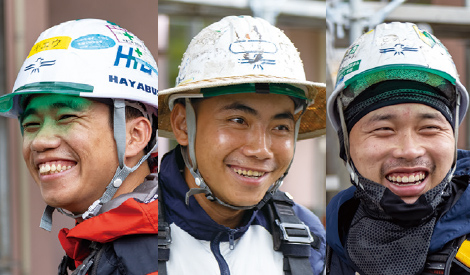
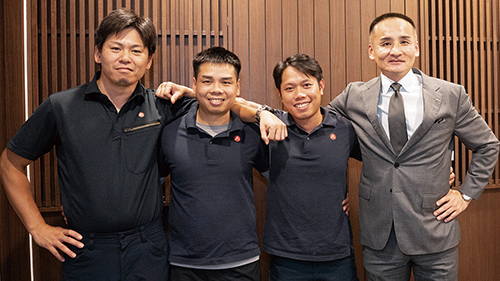
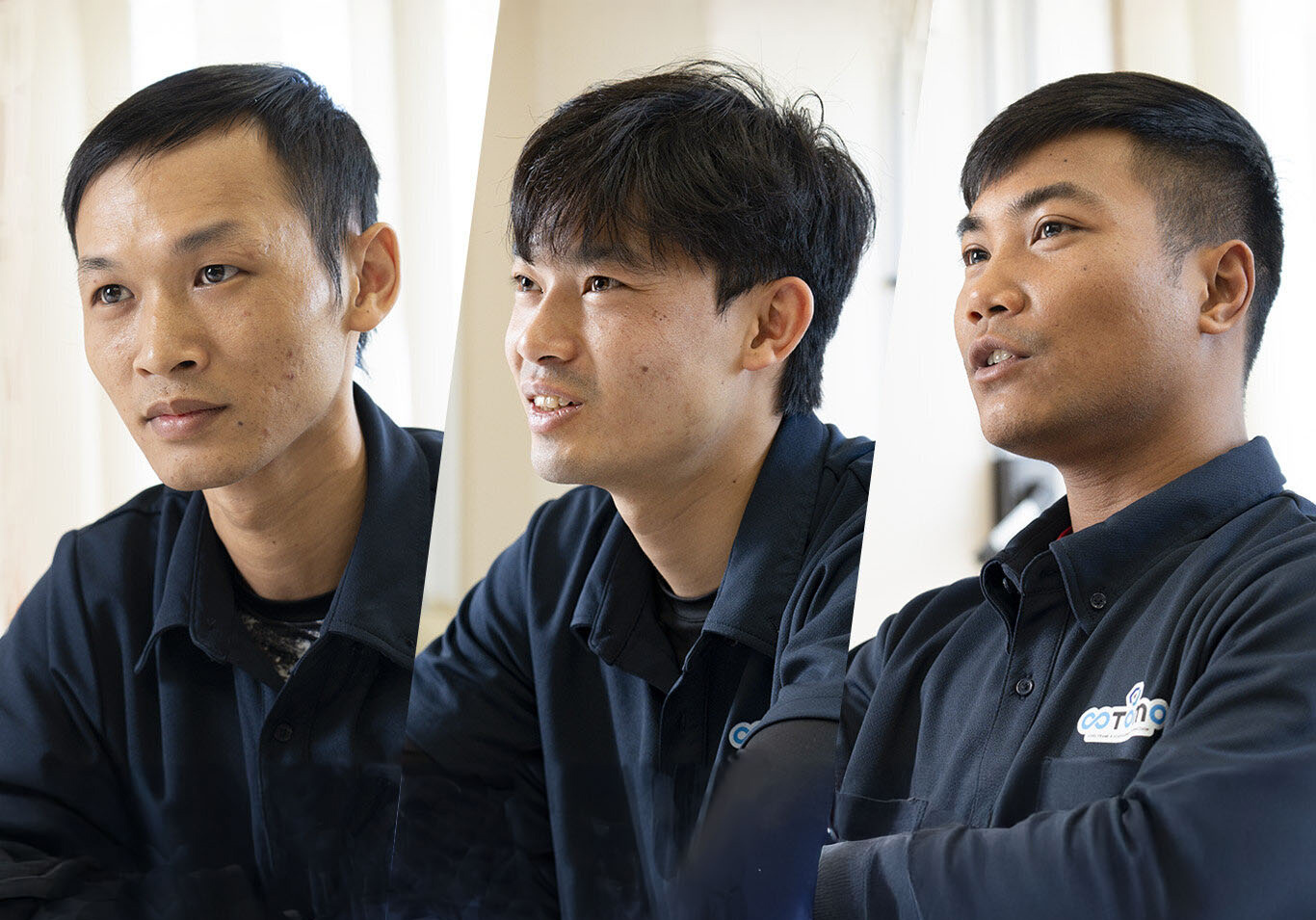
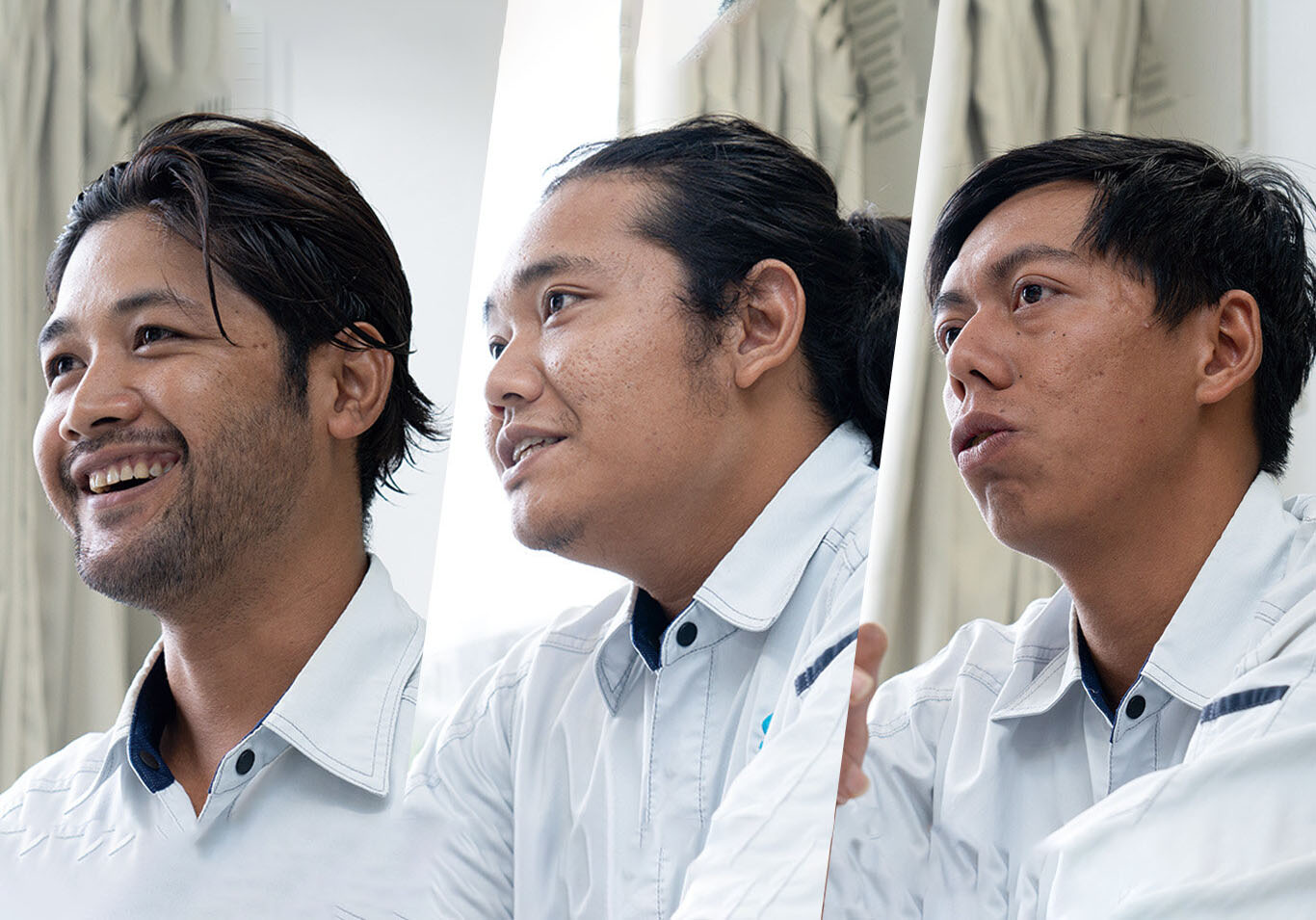
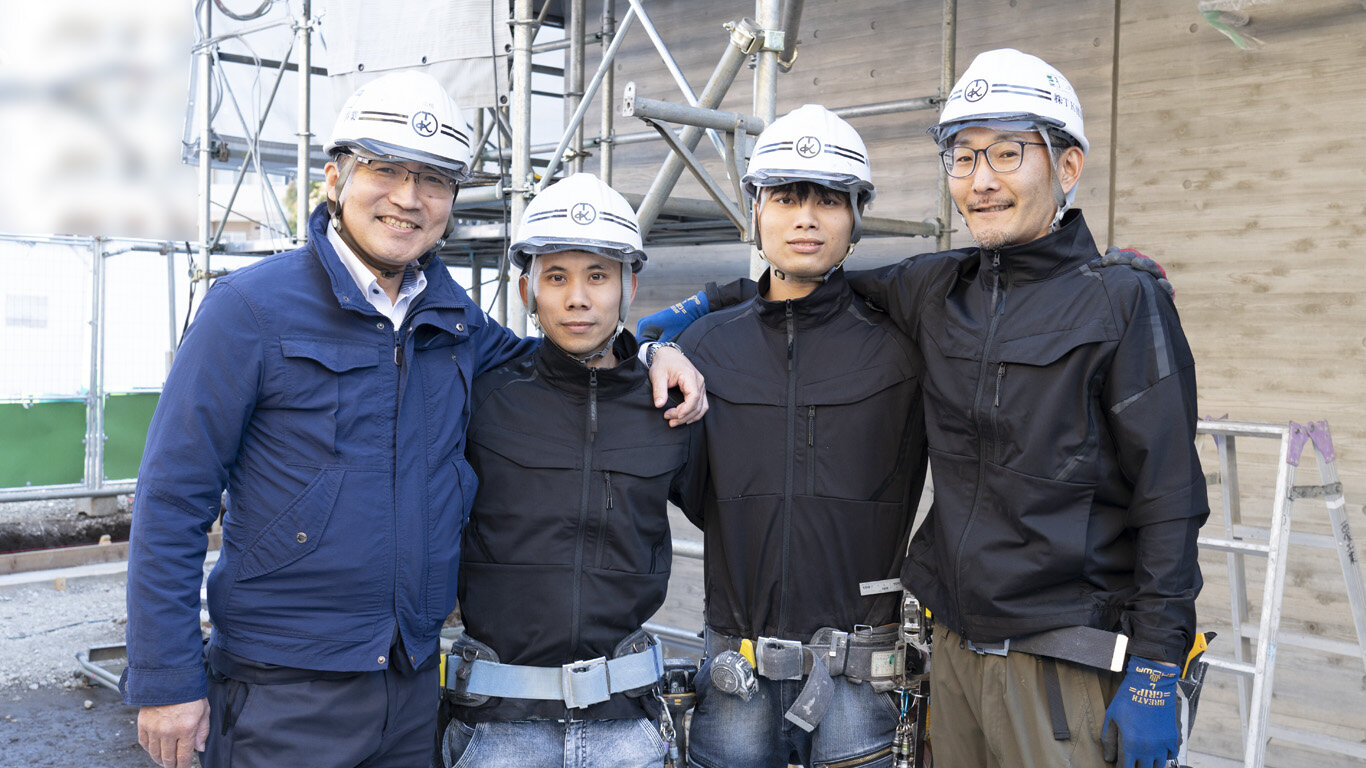
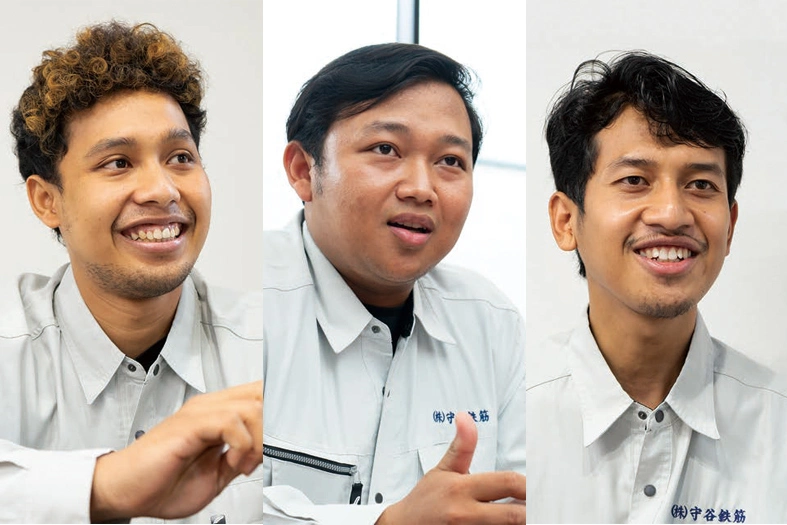
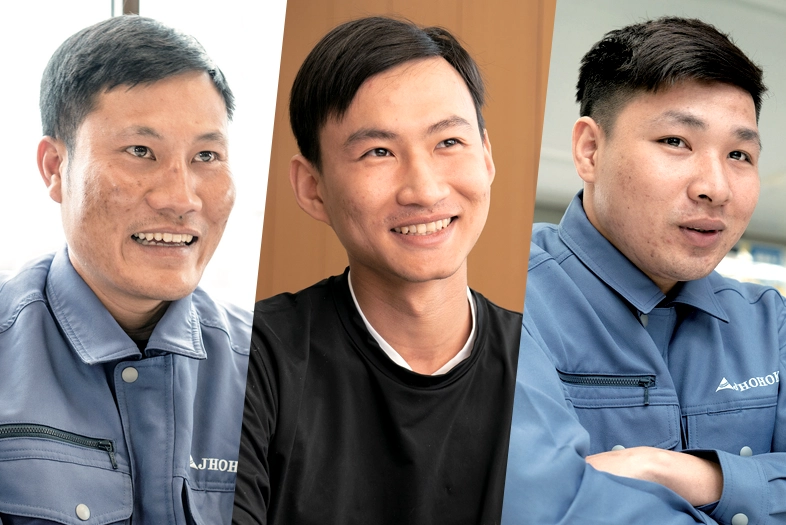
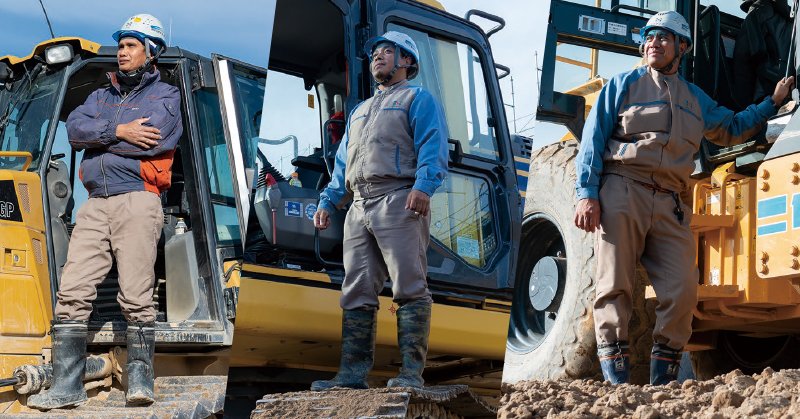
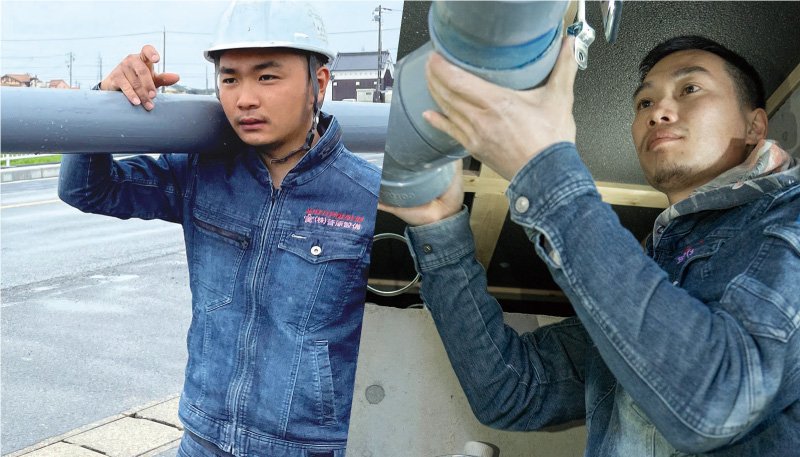
We interviewed three Specified Skilled Worker (i) members, Kieu, Kwon, and Hipp, about their work and life in Japan, as well as their goals for the future.

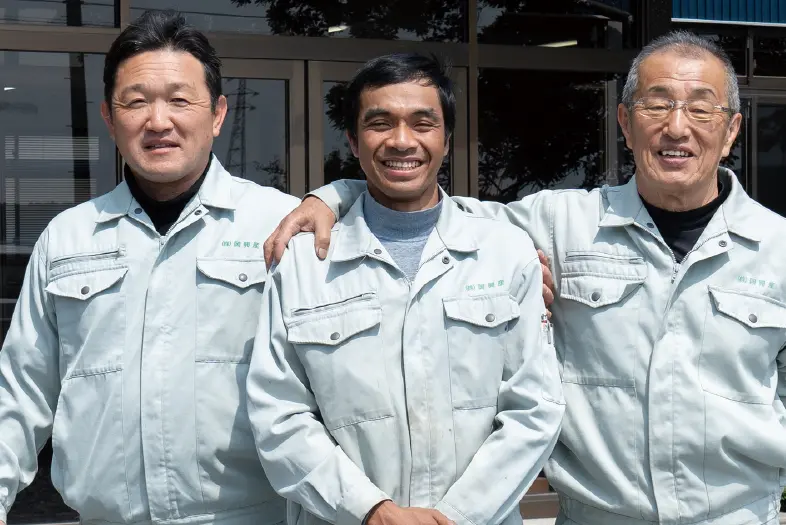
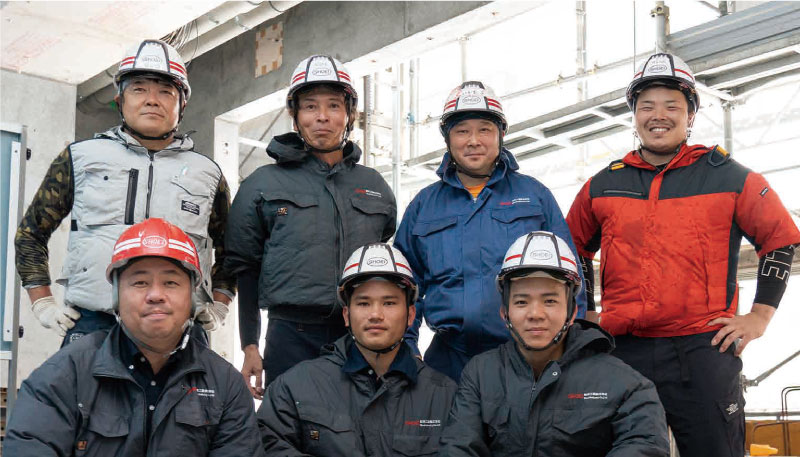
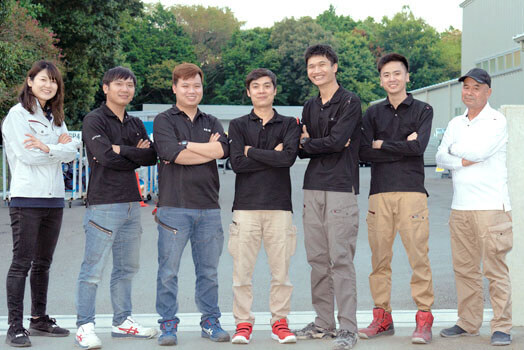
Photo: Voices of people working on-site
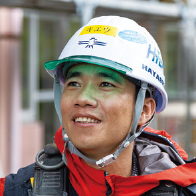
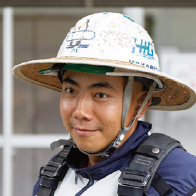
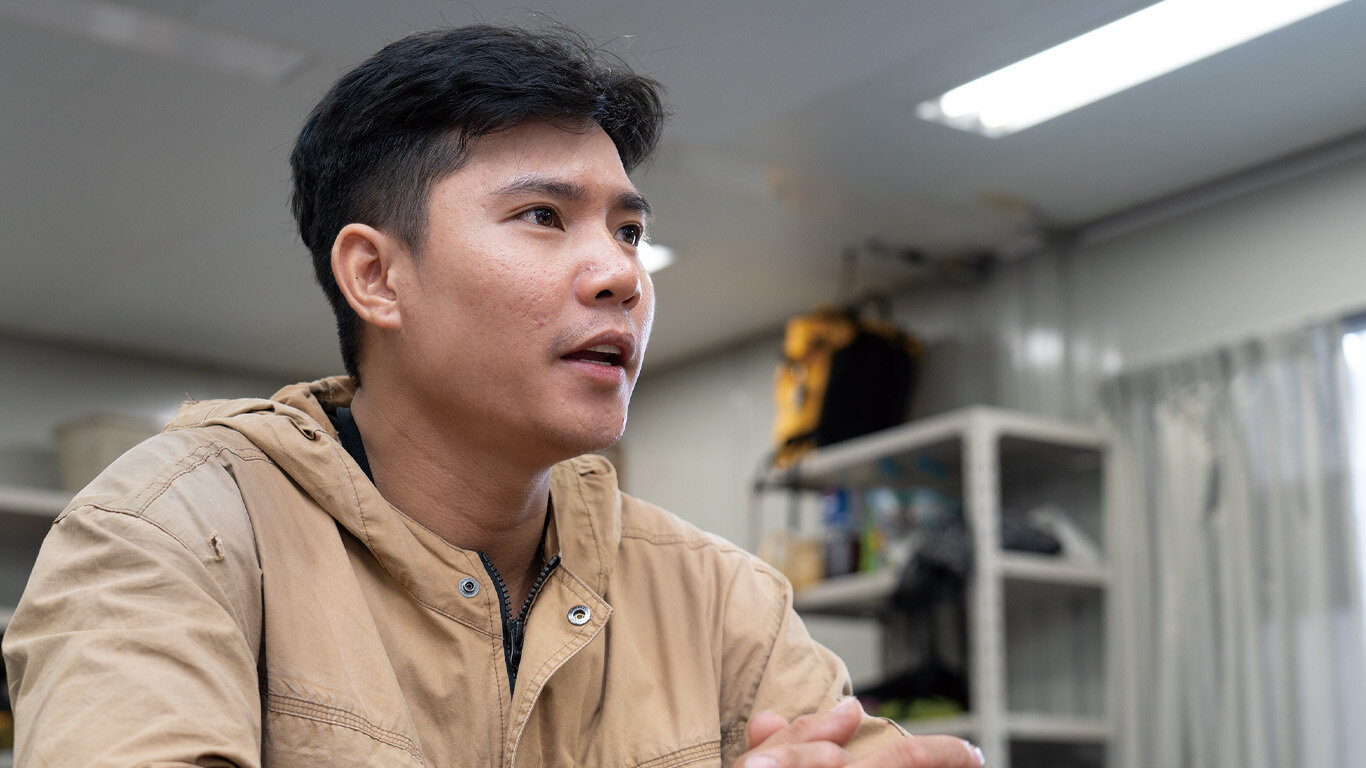
Image: Kieu
Working hard every day under the guidance of a respected boss to support his family back home!

Kieu

Kieu says he admires President Okamoto more than anyone else. "He's always looking out for me, not just at work, but in my personal life too."
When he first came to Japan, he was confused by the fact that the work rules were quite different from those in Vietnam, and said, "Unlike construction companies in Vietnam, the rules in Japan are strict. But because of that, I can work safely." Wanting to support his family in his home country, he works hard at the construction site every day.
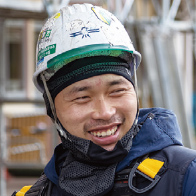
Image: Kwon
I'm enjoying life in Japan with my favorite udon noodles and bottled beer!

Kwon

Before coming to Japan, Cuong, a "Japan connoisseur" whose favorite food is udon, was worried about living alone overseas, but now he says he's completely used to it. One thing he finds unfortunate is that Okayama's streets become deserted at night. "Young people in Vietnam gather in coffee shops at night, so sometimes I feel lonely." Now, his favorite thing to do is drink bottled Japanese beer with friends on the weekends.
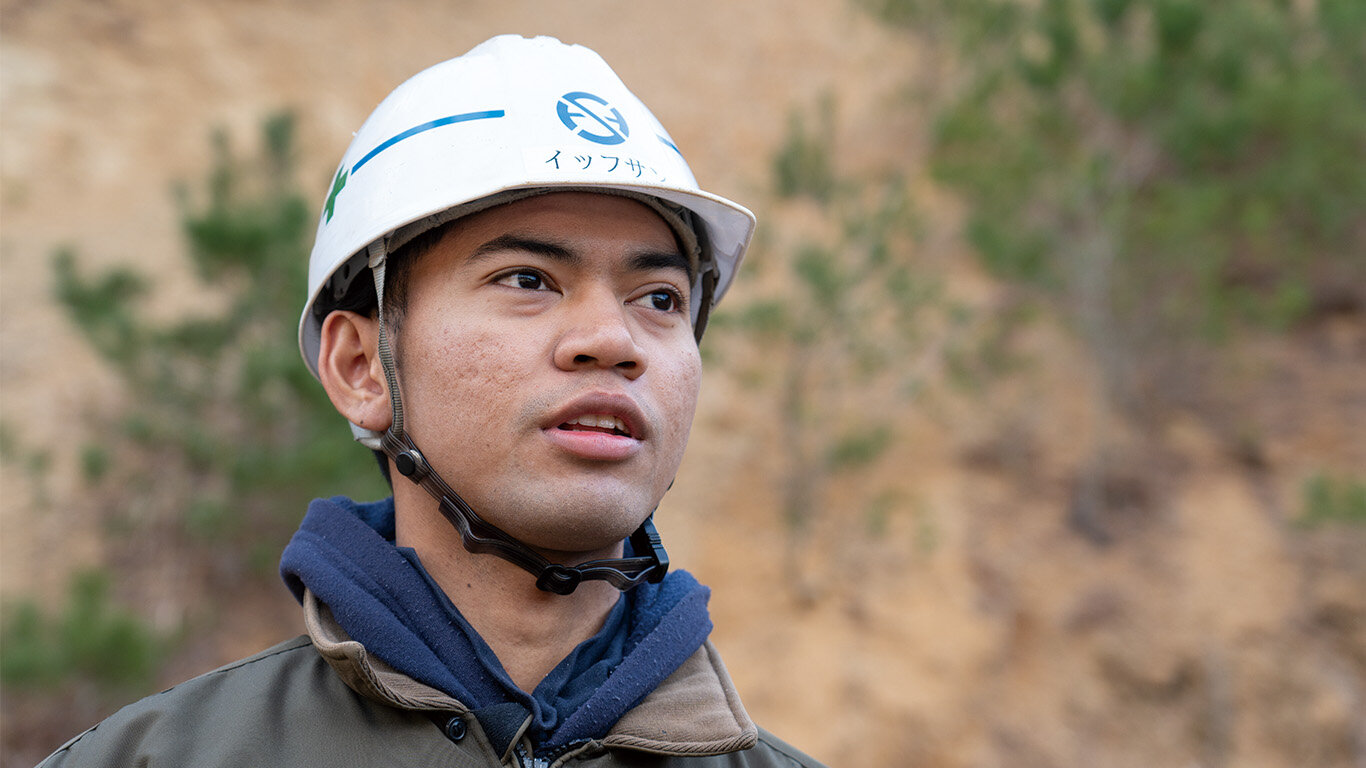
Image: Hip-san
My goal is to learn technology in my beloved Okayama prefecture and work for a Japanese company in my home country!

Hip

Hip says he likes Okayama Prefecture's climate more than anything else, especially the fresh air. "The people in Okayama are also kind, and I've come to love everything about Japan." When it comes to food, he says the seafood caught in the Seto Inland Sea is especially delicious, and he also loves takoyaki made with fresh octopus. After returning to Japan, he is working hard to utilize the skills he learned in Japan and achieve his dream of working for a Japanese company in his home country.

Initiatives of host companies

Managing Director
Yuichi Yatake

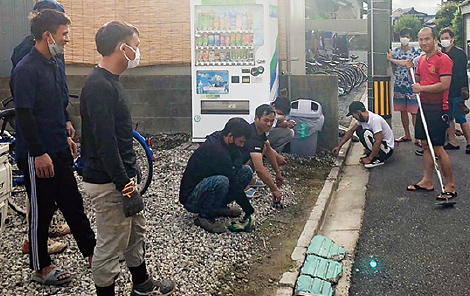
After accepting foreign workers, the first thing we were worried about was their daily life. We visited them frequently to check that there were no problems arising from a lack of communication while living in the dormitory. However, no such problems have arisen, and in recent years we have left it up to the workers' own initiative. However, we still pay attention to being considerate of the people living near the dormitory. If the dormitory is perceived as a nuisance by the neighbors, they will lose their place to live. So, if there is a local cleanup activity, instead of just participating, we make sure to finish cleaning before the neighbors gather.

In addition, if there is any waste collection, we will collect more than anyone else, as this will generate income for the local community, and we are doing everything we can to contribute to the local community and deepen their understanding of foreigners. Thanks to this, when we meet local people, they say, "They are really polite and reliable people."

Efforts to shorten the distance

Sometimes when I drop by their dorms with a gift, they have cooked a meal for me and are waiting for me, so we can have heart-to-heart talks over a meal.
When I hear about problems with relationships, I personally offer advice and step in to resolve them.

Local cleanup activities that we regularly participate in

Advice for companies considering accepting foreign workers

Once we accept them, it is our responsibility to ensure that they return safely to their home countries.
To do this, you should study a little about the culture of the other country. At our company, the president not only interviews the candidates on-site, but also visits the towns where they live. If you are going to accept them, I think it is most important to have an attitude of trying to understand them.

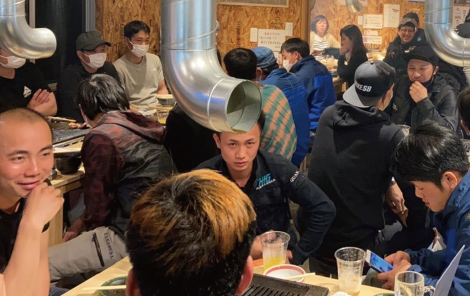
Japanese yakiniku is also popular among Vietnamese people
  • Weekdays: 9:00-17:30 Saturdays, Sundays, and holidays: Closed
  • Q&A
  • Contact Us