• Visionista
  • Foreign Resident Acceptance Manual
  • JAC Magazine
  • People who want to work in the Japanese construction industry
  • KEN GI JIN connect people, construction companies, and the world
  • Facebook (for Japanese companies)
  • Facebook (Japanese for foreigners)
  • Instagram
  • Youtube

Examples of companies that employ foreigners

Their help is absolutely necessary for the future and is essential for the growth of our company.

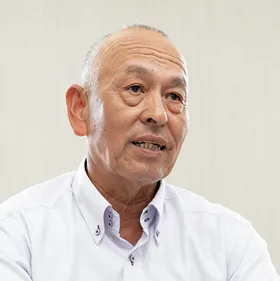
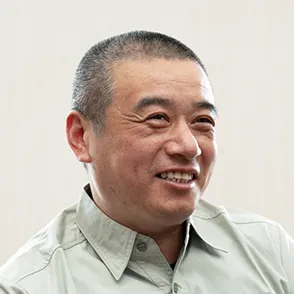
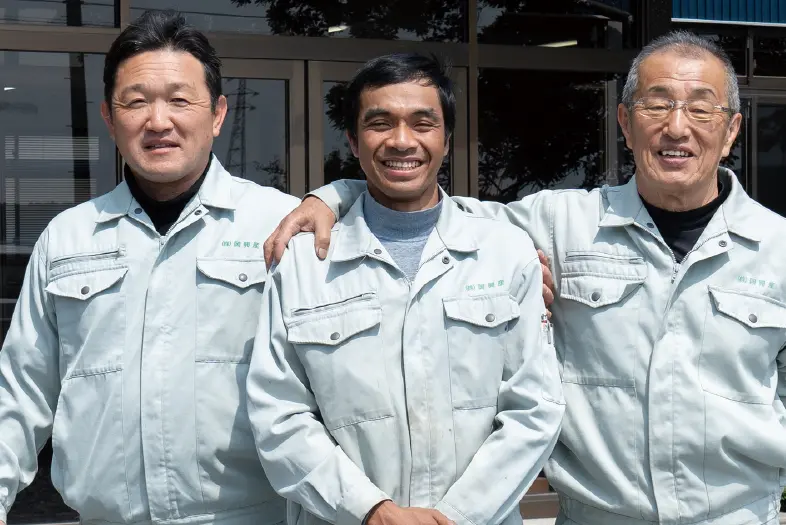
Image: Takao Yajima, President and CEO

Yajima Reinforced Concrete Co., Ltd. President and CEO, Takao Yajima

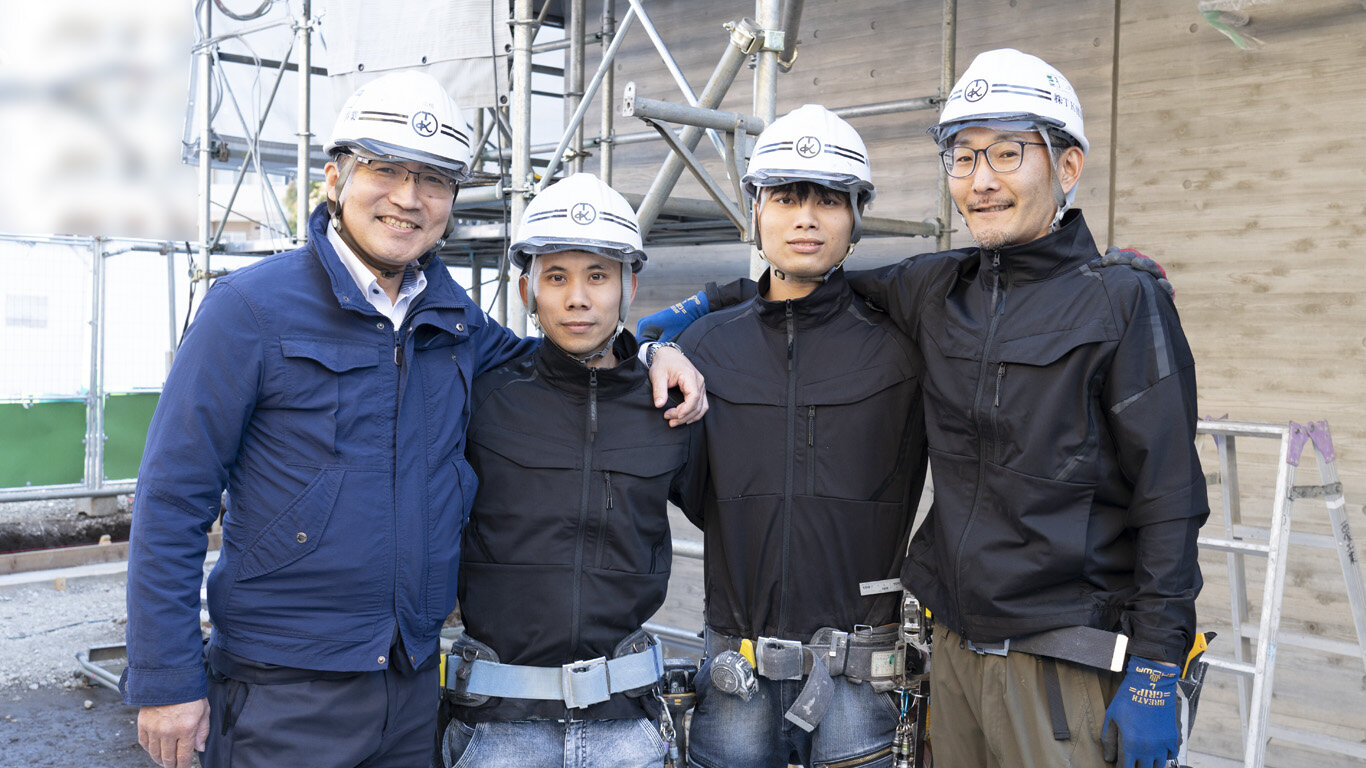
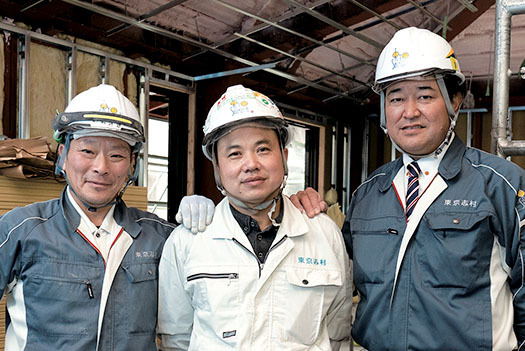
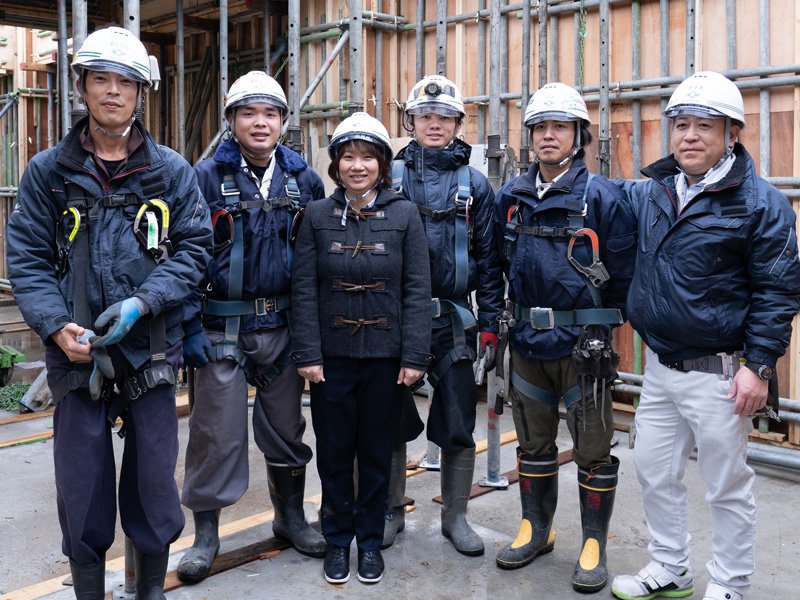
Yajima Tekkin Kogyo Co., Ltd., based in Tokyo, began accepting Chinese workers more than 30 years ago and continues to employ many Chinese people today. This time, we introduce the voices of Yajima, the company's representative, and two Chinese employees.

Host company interview

Company Profile

Address: 5-12-5 Tachibana, Sumida-ku, Tokyo
Business description: Reinforcement bar construction/reinforcement bar processing and assembly work, etc.
Website: http://t-yjm.co.jp/

8 foreigners / 70 employees) Specified Skills 8 (all Chinese)
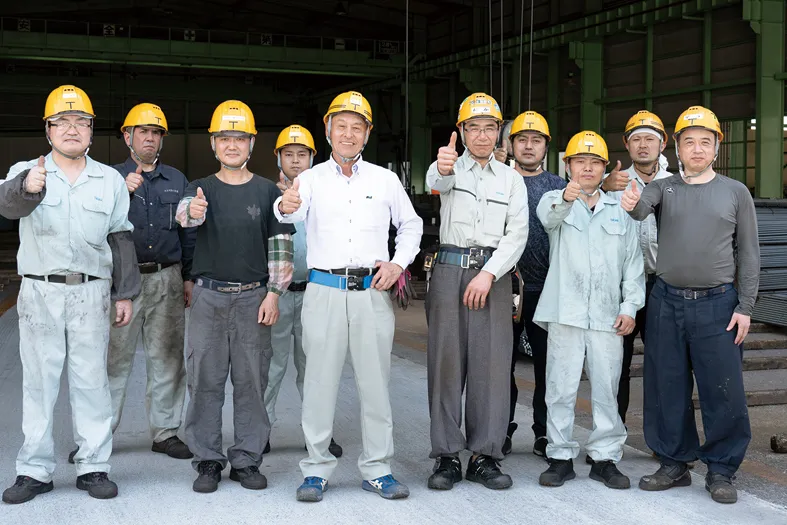
Image: Yajima Rebar Industry Co., Ltd.
  • 25% of the craftsmen working on-site are already foreigners
  • Specified Skills 4 students obtained a first-class Reinforcing bar construction Certificed Skilled Worker
  • The important thing is to "check" your work
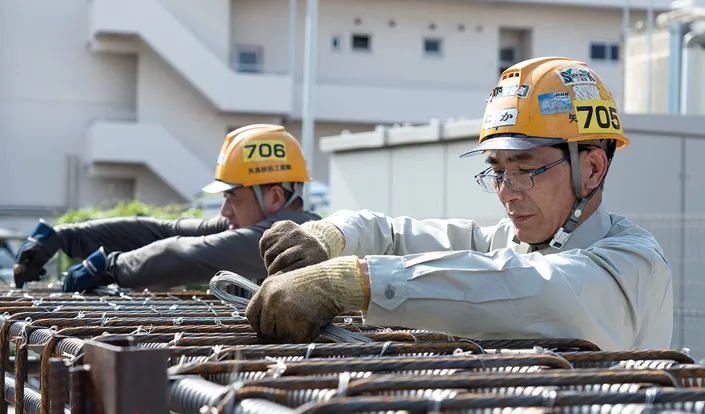
Nika and Sou tying the rebar together
Why did you decide to accept?
It has been more than 30 years since we started accepting foreign workers. In fact, the labor shortage in the construction industry is not something that has just started. At the time, there were a certain number of workers among structural construction companies in the Kanto region who also worked in agriculture, and many of them prioritized farming during the rice harvesting and planting seasons. Therefore, our company started accepting Chinese workers in order to secure a stable labor force.
What was good about accepting it?
The rebar work is physical labor and requires a lot of stamina. As people get into their 50s and 60s, their technical skills improve, but they still can't compete with younger workers in terms of stamina. In order to increase productivity as a company, it is extremely important to have young, physically fit foreign workers come on board, and we are truly grateful for their help.
What are your plans for the future?
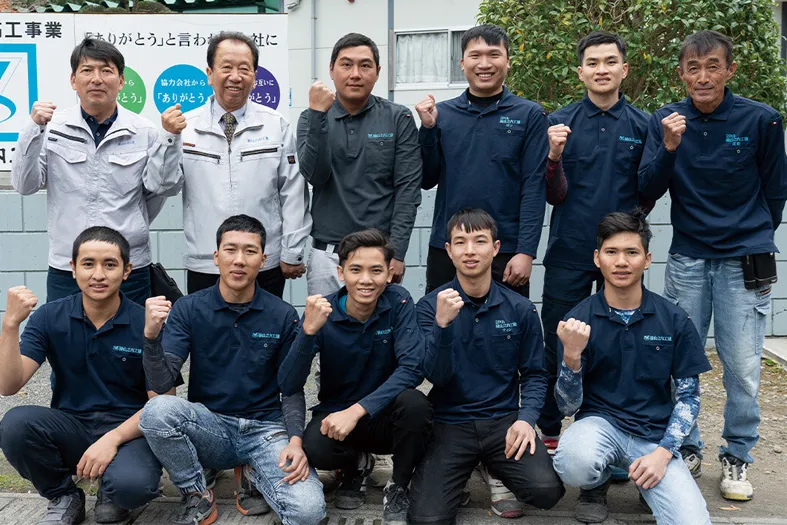
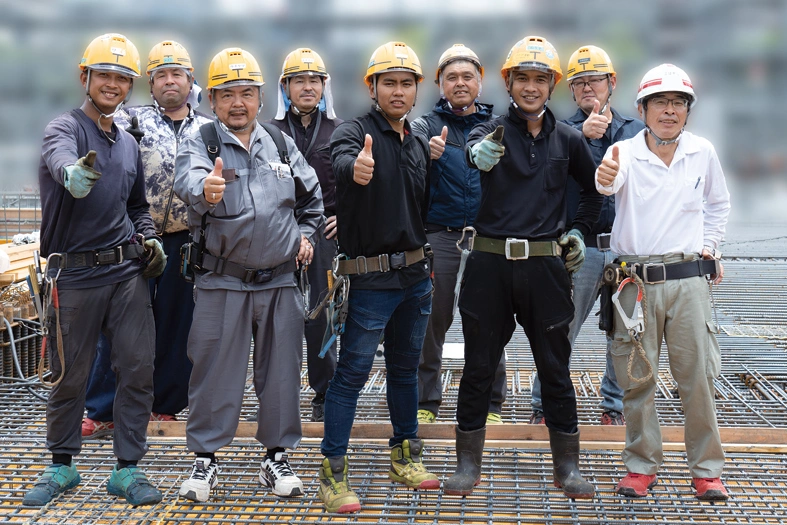
We have about 120 craftsmen, including those from partner companies, and about 25% of them are foreigners. We are also currently preparing to accept new Indonesians, and if we continue at this pace, half of our staff will be foreigners in five years. Our craftsmen are also aging, and this trend cannot be stopped. I believe that the power of foreigners will be absolutely necessary in the future and is essential for the growth of the company.
Initial deployment
・Securing dormitories
・Household appliances such as air conditioners and televisions
・Wi-Fi environment
・Vehicles for transportation to the site
・Lifestyle instructor
Salary system image
・ Specified Skills (monthly basic salary) about 240,000 yen and up
*Overtime allowance, holiday work allowance, overtime allowance, and skill allowance are not included.
・ Technical Intern Training (monthly basic salary) about 180,000 yen and up

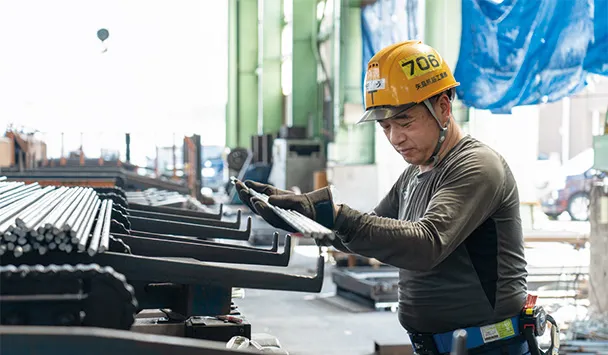
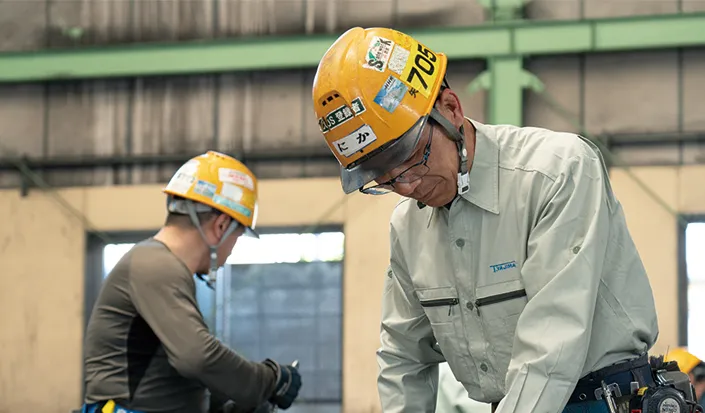
Work at the processing plant
Nika is also highly trusted by Ogawa.

Voices of people working on the ground

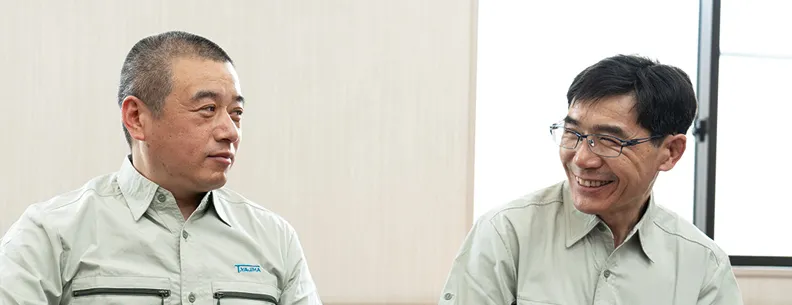
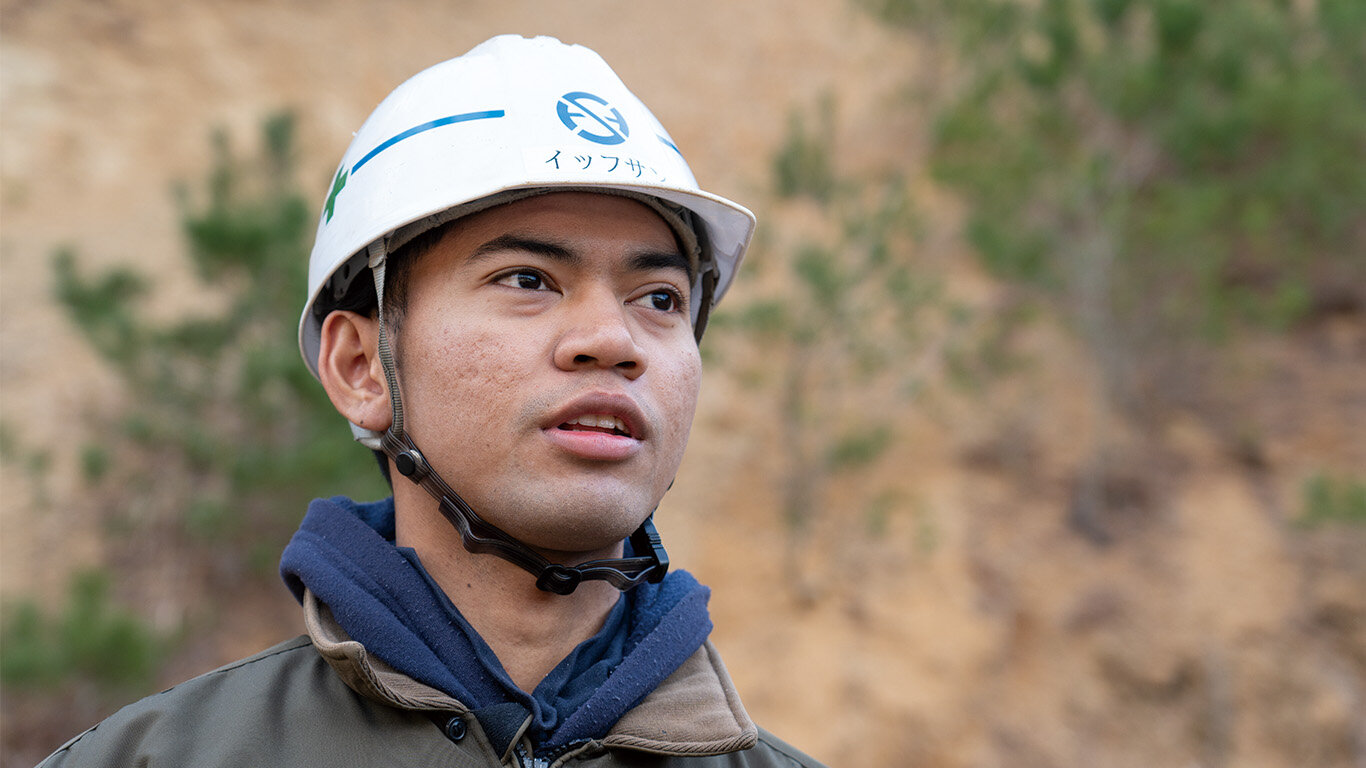
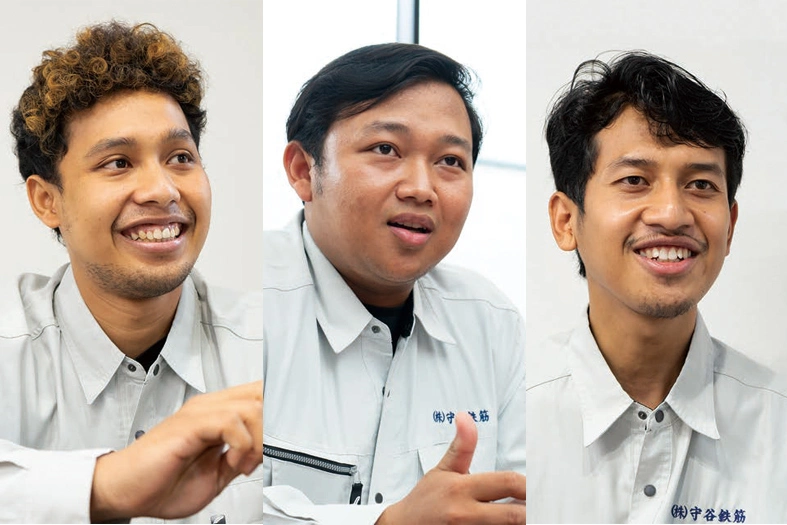
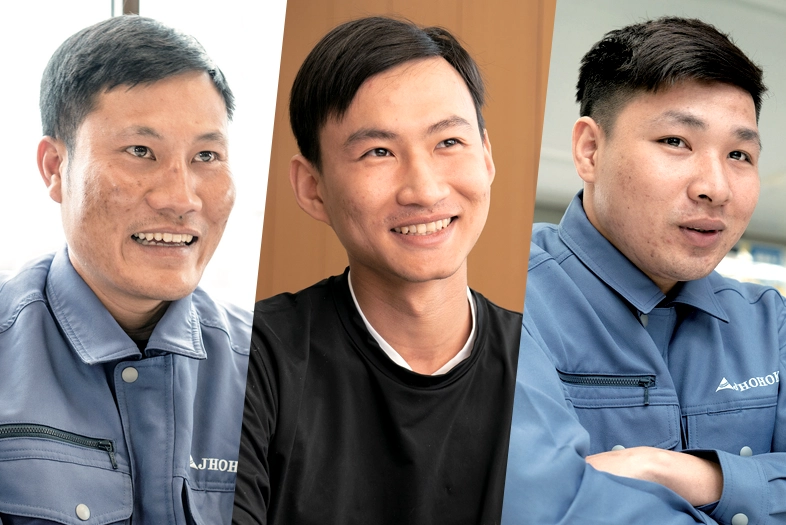
We interviewed Nika and Soh from China, who work as Specified Skilled Worker (i), about their work and life in Japan and their goals for the future.

Photo: Voices of people working on-site
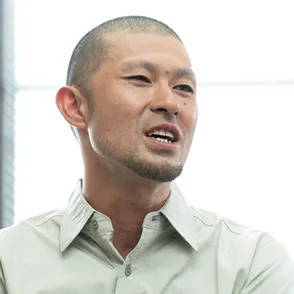
Image: Ni Hua
I want to become a Specified Skilled Worker (ii) and make my dream with the president come true!

Ni Hua

The first thing that surprised him when he came to Japan was the culture of greetings. "I was surprised to see people saying 'good morning' and 'hello' at the supermarket." Nika has now obtained the Japanese ability test N1 and Level 1 Reinforcing bar construction Certificed Skilled Worker. "President Yajima asked me to take over the factory independently, and it has become one of my dreams." I'm currently aiming for Specified Skilled Worker (ii).
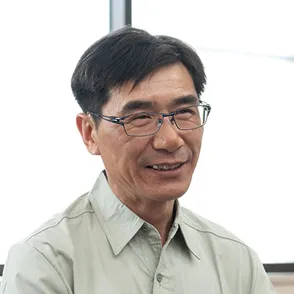
Photo: Mr. Zeng Zhengyao
I asked the president to become a teacher and obtained a first-class Reinforcing bar construction Certificed Skilled Worker!

Mr. So Seigyo

This is his 10th year in Japan, and he has also obtained a Class 1 Reinforcing bar construction Certificed Skilled Worker. In the exam, President Yajima accompanied him and repeatedly solved the problem book. "I somehow understood kanji, but it was difficult to memorize the words." I love Japan's digital cameras, and now I have become a hobby of photographing landscapes. "I take pictures of the Imperial Palace and Tokyo Tower and send them to my family in my home country."

Initiatives of host companies

Processing plant team leader
Mr. Masaki Ogawa

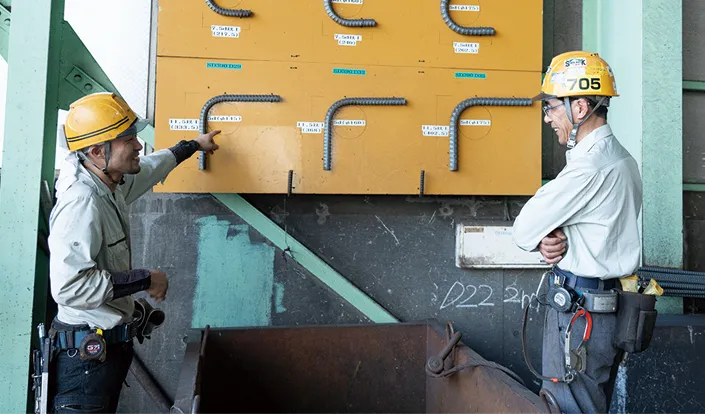
I am in charge of a rebar processing plant, and Chinese people are active there as well. They are as enthusiastic as Japan people, and there are four people who have obtained a first-class Reinforcing bar construction Certificed Skilled Worker, making them a big force. What I pay attention to when working with them is how to communicate their work. Of course, if you are a new arrival in Japan, you cannot speak Japanese. So, for example, when asking them to take the necessary rebar, they first write it on a piece of paper and give instructions. Of course, I can't read Japanese, but if it's a number, they will understand it without any problems, so I write the thickness and number of rebars. Not only that, but I also go to the place where it is placed and tell them to use this material. If you ask for the rebar to be cut in the subsequent work, we will go to check whether it was done as instructed. In other words, I'll follow you around and check with you anyway. I think that's the best way to get people to remember their job, and it's absolutely necessary to avoid danger. They also want to learn their jobs, so when they finish working, they come to ask me, "What's next?" Then give instructions again to confirm. This is my role.


Efforts to shorten the distance

In my case, I consciously try to talk about silly things. I try to talk to people during breaks or when I have a little free time after work, and chat about really trivial things. If the person has a low level of Japanese, the conversation itself doesn't flow, but they try their best to reply in their own broken Japanese. Also, they often react with just facial expressions. I feel that we are able to communicate even though we don't understand each other's words.
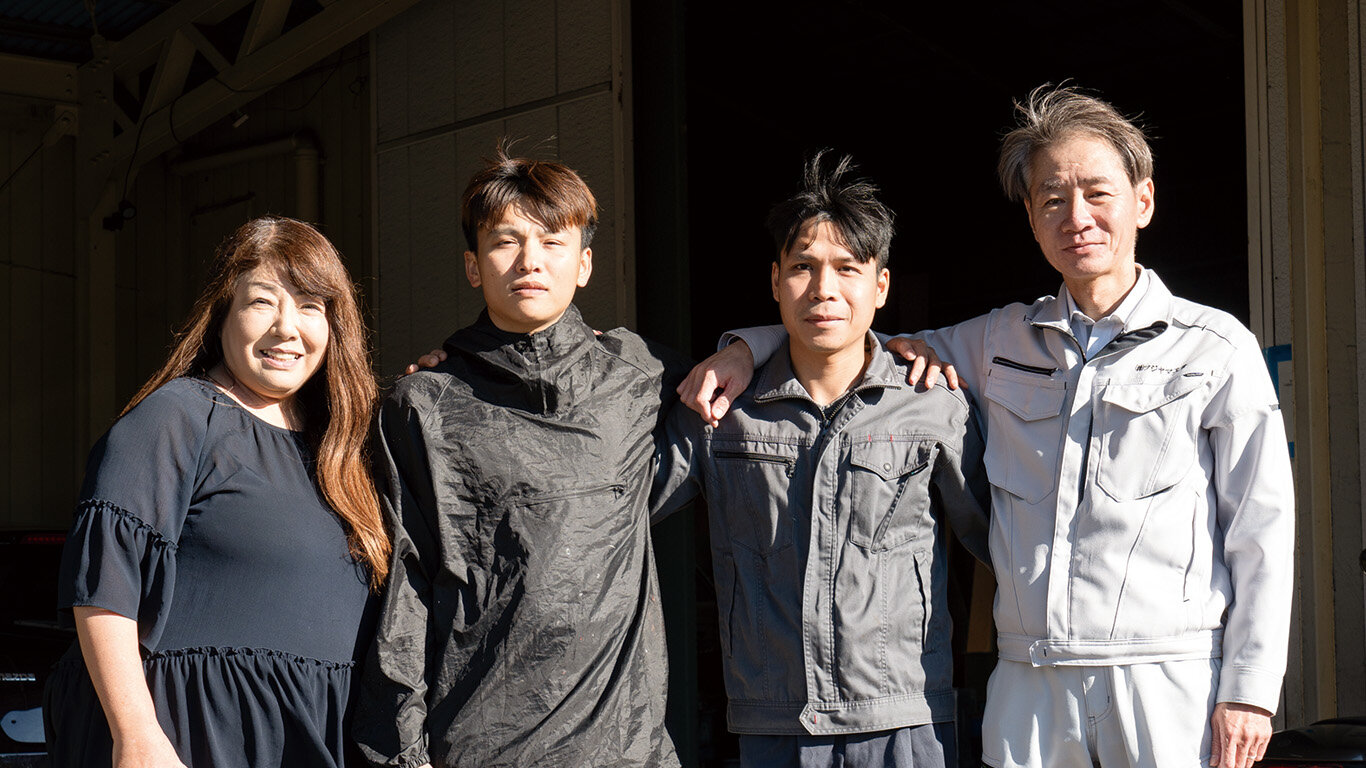
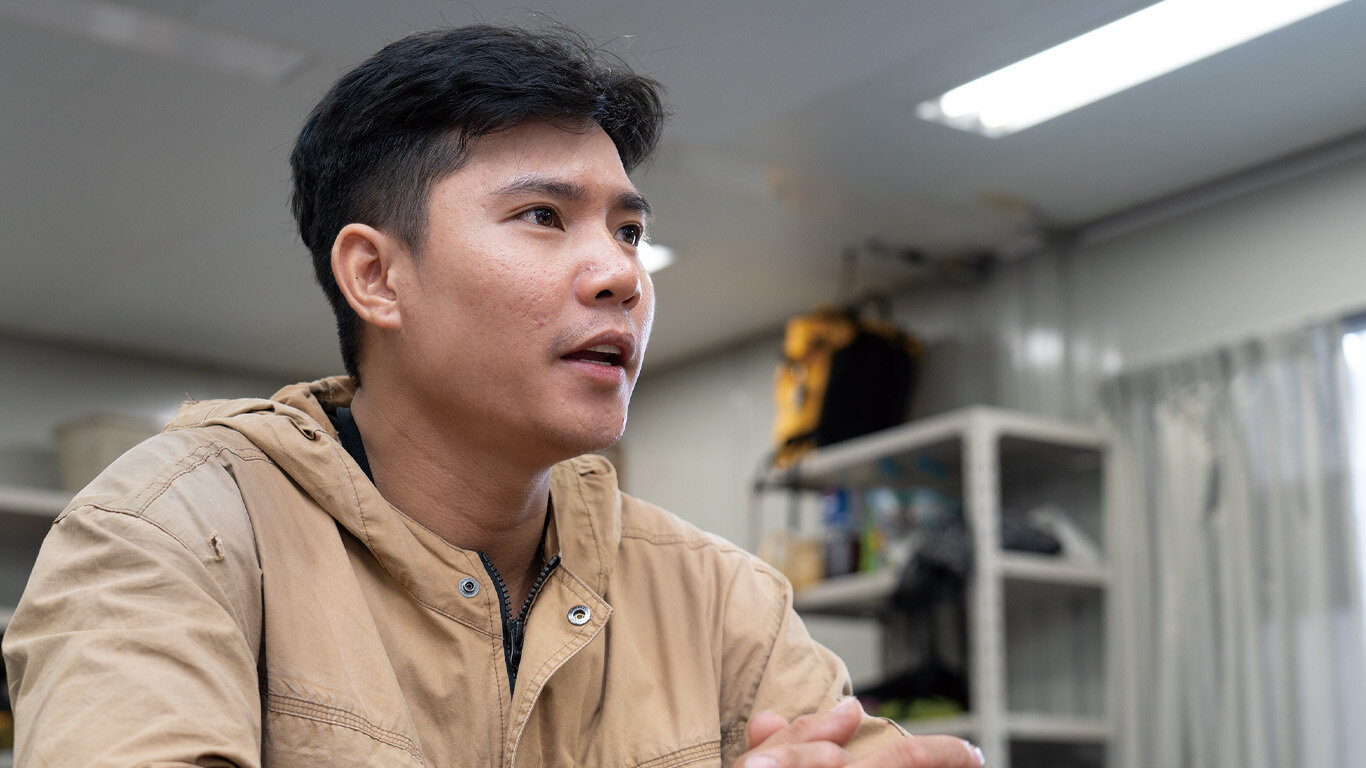
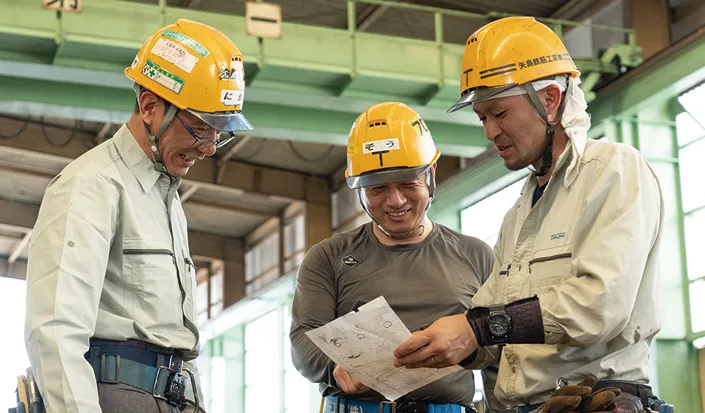
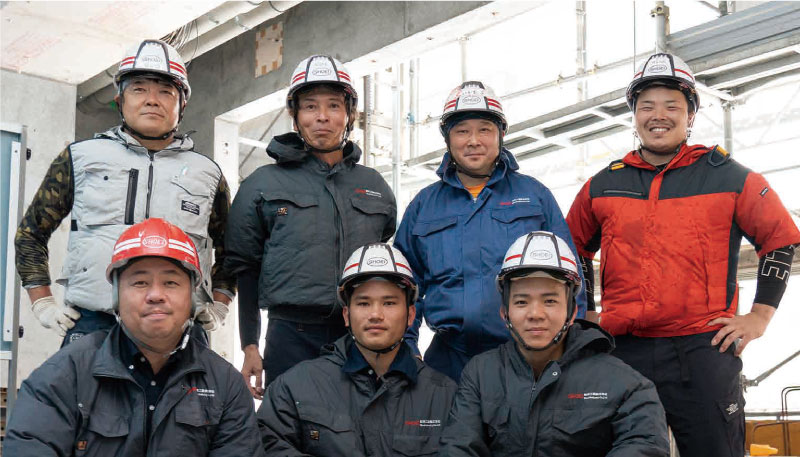
The two are usually cheerful, but when they start working, they turn into craftsmen.

Advice for companies considering accepting foreign workers

When I first accepted them, I was also confused and our relationship was strained. Looking back, I think I was at fault in some ways. A dozen years have passed since then, and in reality, we Japanese don't just teach them, we have a lot to learn from them. It is also true that the company cannot make profits without their cooperation. We ask them to cooperate with us, as they have come to Japan. If you treat them with that kind of feeling, it should go well.

Meeting based on Ogawa-san's "memo"
  • Weekdays: 9:00-17:30 Saturdays, Sundays, and holidays: Closed
  • Q&A
  • Contact Us