- やさしい日本語
- ひらがなをつける
- Language
We provide multilingual content through machine translation. Translation accuracy is not 100%. About the multilingualization of the JAC website





- Home
- JAC Magazine
- Working with foreign workers
- Things to know when working with Muslim employees in a Japanese company
- Home
- JAC Magazine
- Working with foreign workers
- Things to know when working with Muslim employees in a Japanese company

Things to know when working with Muslim employees in a Japanese company
I wrote the article!
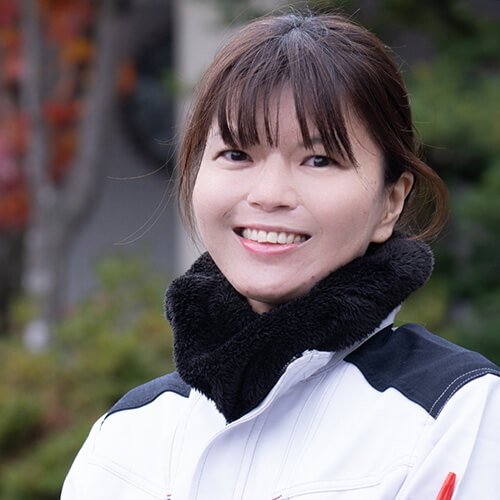

Japan Association for Construction Human Resources
Chief of Research and Development Department / Administration Department / Public Relations Department
Motoko Kano
(Kano Motoko)
Hello, this is Kano from JAC (Japan Association for Construction Human Resources).
Islam is one of the religions that has a huge number of followers in the world.
As Japan becomes more internationalized, there will be more opportunities to work with Muslims.
Islam is the religion that most people believe in after Christianity.
In this article, we will introduce what you need to know about Islam and what you need to consider when accepting foreign workers.
Here are some points that Muslims in Japan have when working in their work.
Please refer to it.

Basic knowledge for working with Muslim employees in Japan
Islam was born in what is now Saudi Arabia and is one of the world's three major religions, practiced mainly in the Middle East and Asia.
As of 2024, there are approximately 1.9 billion believers in the world, meaning that one in four people in the world is Muslim.
Among Asian countries, Indonesia has a particularly large number of believers.
In Indonesia, 87% of the population practices Islam.
They believe in one God, Allah, and the Quran, which is a compilation of Allah's teachings, is their holy book.
Also, followers of Islam are called "Muslims."
Islamic Laws You Should Know
Muslims place great importance on religious discipline.
Therefore, when hiring Muslim employees in Japan, it is important to fully understand the religious rules.
Here we will introduce some of the most important Muslim precepts.
Pray five times a day facing the holy city of Mecca
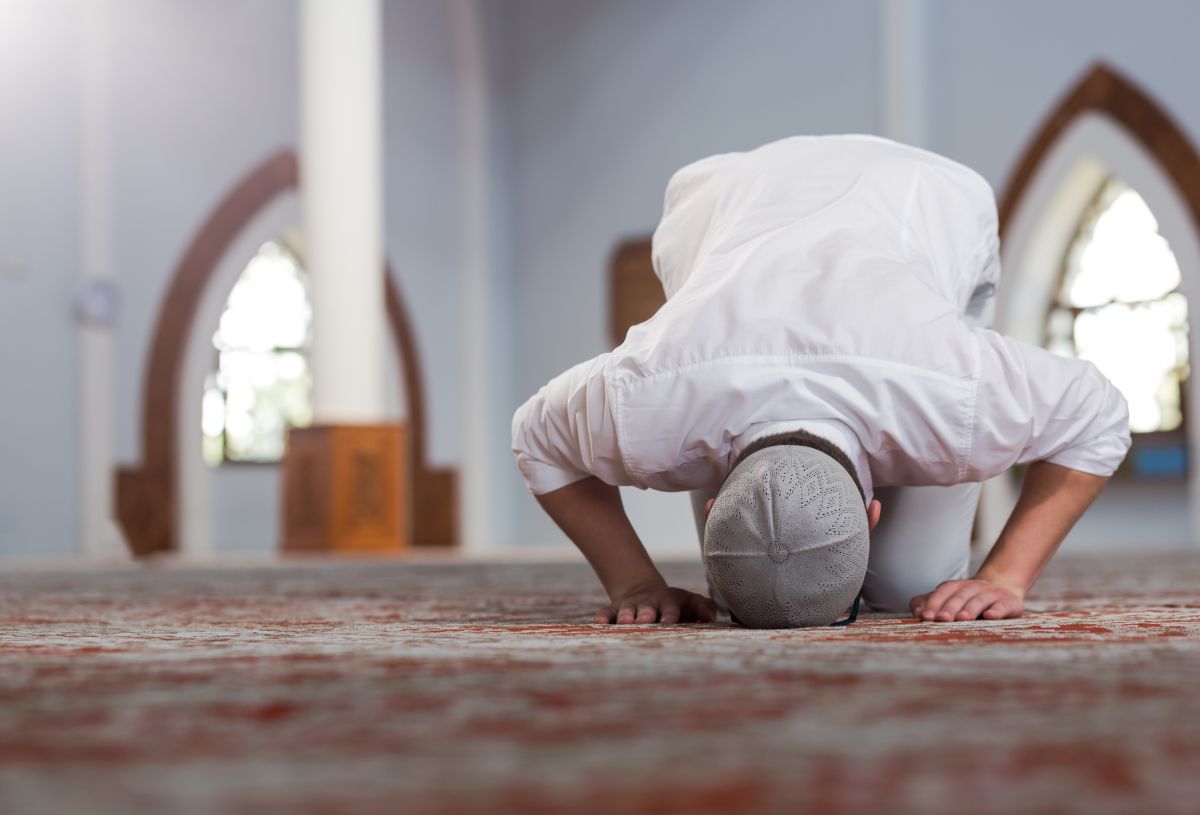
Muslims pray five times a day in the direction of Mecca, the holy city.
The timings for worship are as follows:
- dawn
- After noon
- Afternoon (around 3:00 PM)
- After sunset (around 6pm)
- Night (around 8pm)
Friday collective worship
Friday is a particularly important day for Muslims.
Friday is the Sabbath, and men gather at the mosque around noon for congregational prayers.
Regular prayers can be performed in prayer spaces such as at work, but Friday congregational prayers must be held at a mosque.
Contains haram ingredients
In Islam, there are certain foods that are forbidden to eat and are called "haram."
You should be especially careful with pork and alcohol.
Soups and seasonings containing pork extract, as well as seasonings containing alcohol, are also prohibited.
On the other hand, foods that are permitted to be eaten are called "halal."
There is Ramadan
In Islam, an event called Ramadan is held once a year.
Ramadan means the month of fasting.
Ramadan occurs in the ninth month of the Islamic calendar.
During that month, eating and drinking are prohibited during daylight hours.
September in the Islamic calendar corresponds to around February or March in Japan, but this changes every year.
Common issues and work-related anxieties felt by Muslim employees working in Japan
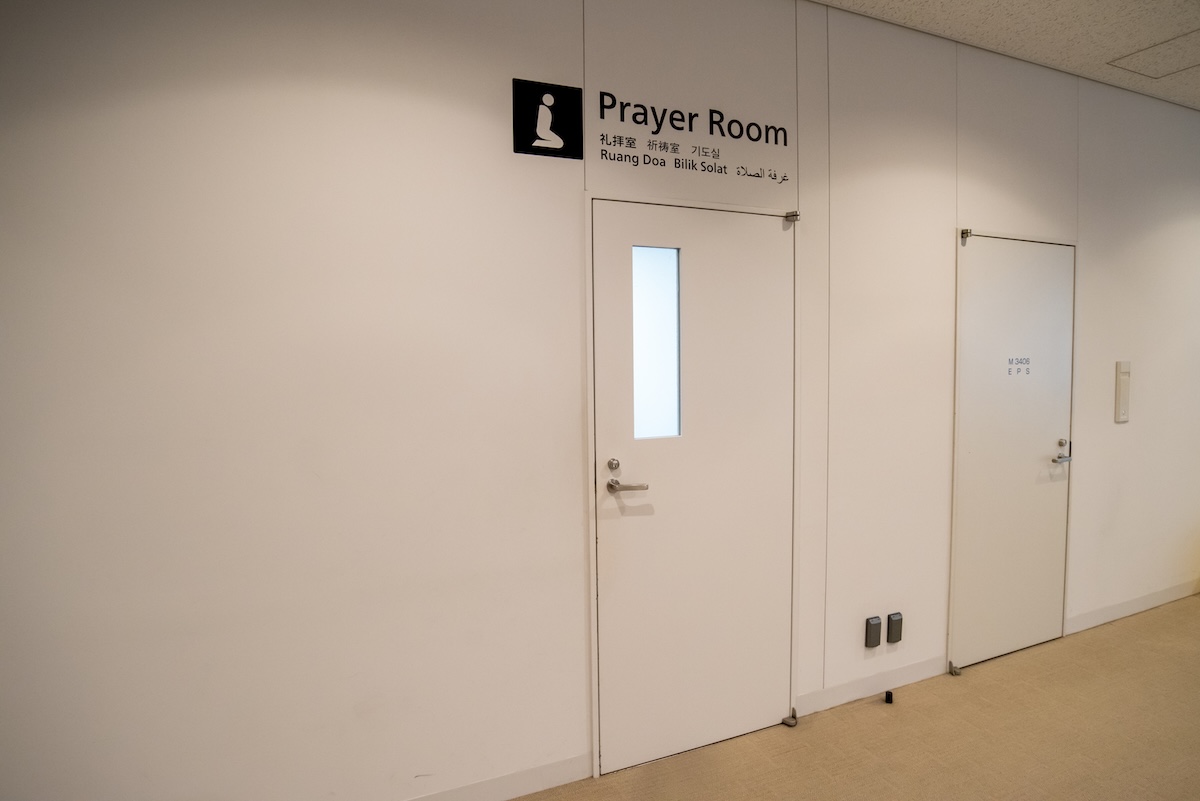
We will introduce some of the concerns that Muslims may have before coming to Japan and the problems they may encounter when working in Japan.
Anxiety that is likely to occur before coming to Japan
The following are some of the anxieties that Muslims are likely to feel before coming to Japan.
- Can I have halal meals?
- Is there a place to worship?
- How to get along with superiors and colleagues (e.g., attending drinking parties), etc.
Since Japanese food often contains pork and alcohol, many people are concerned about whether they can find halal food.
Many people are also concerned about whether there is a place of worship near their workplace or residence, and whether they will be able to find the space and time to pray during their shifts.
This is not limited to Islam, but some people feel uneasy about differences in culture and customs.
People often worry about how to interact with their superiors and colleagues, especially when it comes to attending drinking parties.
Difficulties felt while working in Japan
In reality, the following are some of the common problems that Muslims working in Japan face.
- It's hard to find halal food
- Lack of time and understanding for worship
- Heavy workload during Ramadan, etc.
There are many cases where people are worried about food and worship before coming to Japan, and in fact have trouble.
Outside of urban areas, there are few halal-certified food ingredients and stores, so you will need to check the ingredients before making your selection.
However, in recent years, there has been an increase in the number of online stores that sell halal food, and more and more people are purchasing food online.
On the other hand, at company social gatherings or dinners, there are times when you feel left out because there is nothing to eat.
They may also be inconvenienced by a lack of understanding about the time required for worship, or a lack of suitable space for worship.
Ramadan is a time when people tend to lose their physical strength and have difficulty maintaining their concentration, but because it is a custom that does not exist in Japan, it can be difficult to adjust the workload to coincide with Ramadan.
You don't need to take any big steps to solve these problems.
By deepening understanding of Islam and with a little ingenuity, we can create an environment where everyone can work comfortably.
Consider holding an orientation for Japanese employees so that not only a few employees such as human resources personnel but the entire company and all employees can deepen their understanding.
For this reason, we will next share some points to keep in mind when working with Muslim employees, so please take a look.
Important points for Japanese companies when working with Muslim employees

Many Muslims who are considering working in Japan understand that Islamic customs are not found in Japan.
There is no need to treat people specially just because they are Muslim, but here are some points to keep in mind to ensure smooth work.
Consideration for worship
As we have mentioned, Muslims pray five times a day at set times for about 10 to 15 minutes each.
Since prayer will be held during working hours, be sure to find out the prayer time in advance and share it with the Japanese employees you work with.
Some people say that it is okay to combine the noon and afternoon prayers into one.
Friday services are particularly important, and the time and location may differ from regular services.
Check how much time you need to devote to worship and consider adjusting break times if necessary.
Ideally, the prayer space should be clean, quiet, and secluded.
If this is difficult, it is fine to simply provide a conference room or free space temporarily.
If there are male and female Muslim employees, it would be best to provide separate prayer spaces for men and women, but in many cases it is not a problem if the spaces are separated by partitions or other means.
Dietary considerations
When providing meals at company cafeterias or social gatherings, it is reassuring to have halal-compatible menus available and to check in advance whether the food contains any inedible ingredients.
If this is difficult, choosing vegetarian or fish dishes will make it easier to enjoy meals together.
Be careful not only of pork and alcohol, but also of seasonings and additives that contain pork-derived ingredients or alcohol, such as gelatin, shortening, soy sauce, and mirin.
Restaurants that have been certified by a halal certification organization display a "halal mark," so it's a good idea to look for this when dining out.
▼Image of the Halal certification mark

One way to do this is to use apps such as "Halal Gourmet Japan" that search for restaurants that serve halal food.
Halal Gourmet Japan
Work adjustments during Ramadan
During the annual month of Ramadan, people fast from sunrise to sunset.
Since it is easy for physical strength and concentration to decline, consider flexible working arrangements such as coming in and leaving early or working shorter hours, as long as they do not interfere with work.
If it is difficult to change your working style, you can try to do physically demanding work and meetings in the morning whenever possible.
Additionally, hydration is restricted during Ramadan, increasing the risk of heatstroke, especially when working outdoors, such as on construction sites.
If the event coincides with the hot season of Ramadan, consider taking safety precautions, such as reassigning employees to work in a cooler indoor environment or assigning them tasks that are out of direct sunlight.
Understanding and consideration for clothing
Muslim women may wear a headscarf called a hijab or a face veil called a niqab.
It is important to understand that these are faith-based practices.
In addition, Muslims avoid wearing revealing clothing, so women in particular may feel hot.
It would be great if we could set the temperature to a comfortable level for many employees, not just Muslim employees.
Consideration in greetings
Many Muslims tend to avoid shaking hands with members of the opposite sex.
As a general rule, when shaking hands between people of the opposite sex, you should only accept if the woman offers her hand.
Therefore, men should avoid asking women for a handshake and instead try to show respect for the other person's culture by giving them a slight bow.
Also, when shaking hands, it is best to use your right hand, not your left.
Personalized attention
The points mentioned above are just general examples.
The response will vary depending on each employee's level of faith and cultural background.
It is important to listen directly to the person's opinion and respond flexibly.
Never impose other people's standards on others, such as saying, "Mr./Ms. ⚪⚪, who is also Muslim, was fine."
The religions practiced by foreign workers are not limited to Islam, but also include Christianity, Buddhism, Hinduism, and many other religions.
We also introduce religions other than Islam here, so please refer to that as well.
Be aware of religious issues and considerations when accepting foreign workers
Muslim consultation centers and communities
If you are planning to work with Muslim employees, letting them know that there are places and communities where they can seek advice will help them feel more comfortable working in Japan.
If possible, do your research in advance and be prepared to share at least some of the options available.
Japanese mosques
Mosques across the country not only serve a religious purpose but also as community centers.
It's a good place to talk about your worries about life and work.
International exchange organizations
There are associations and NPOs related to international exchange all over Japan.
Such organizations provide support to people of different cultures living in Japan.
Online Community
There are many social media groups and online forums that cater to Muslims working in Japan.
You can exchange information and share your concerns with people in the same situation.
Summary: When working with Muslim employees in Japan, it is important to understand and be considerate of their religion
Islam is one of the three major religions in the world, and one in four people in the world believes in it.
It is known for having five worship services a day, a ban on eating and drinking pork and alcohol, and a fasting period called Ramadan.
There is no need to give special treatment just because you are a Muslim, but it is very important to understand and respect religion.
Muslims also have concerns and challenges about working in Japan.
Be considerate of worship, food, clothing, etc. as much as possible, and try to build good relationships as work colleagues.
However, even if you are in the same Islam, your beliefs and cultural backgrounds are different, so it is important to be aware of the response tailored to each individual.
If you are a construction company that is considering accepting Specified Skilled Worker, please feel free to contact JAC!
*This column is based on information as of September 2025.
"Cross-Cultural Understanding Course: Islam Edition" held
JAC holds a "Lecture on Coexistence with Foreigners" with the aim of understanding the culture and customs of other countries in order to work smoothly with foreign staff.
As part of this, on June 19, 2025, we held a lecture entitled "Cross-Cultural Understanding Course (2) Islam Edition" (lecturer: Mr. Kawamoto, ORJ Co., Ltd.).
The course was packed with tips for accepting Muslim employees, from basic knowledge of Islam to what Muslims experience when they come to Japan.
Seminar videos and materials are also available, so please feel free to make use of them.
Event Report, Missed Broadcast, and Materials: "Cross-Cultural Understanding Seminar (2) Islam"
The author of this article
Japan Association for Construction Human Resources
Chief of Research and Development Department / Administration Department / Public Relations Department
Motoko Kano
(Kano Motoko)


Born in Aichi Prefecture.
He is in charge of public relations, research and investigation, and is the person behind social media.
We update our social media accounts daily with the desire to make people fall in love with Japan, to spread the appeal of construction from Japan to the world, and to ensure that Japan's construction industry continues to be the industry of choice around the world.
He is also engaged in research into the feasibility of implementing skills evaluation exam in Asian countries, and is conducting interviews with local organizations in each country.
Related articles
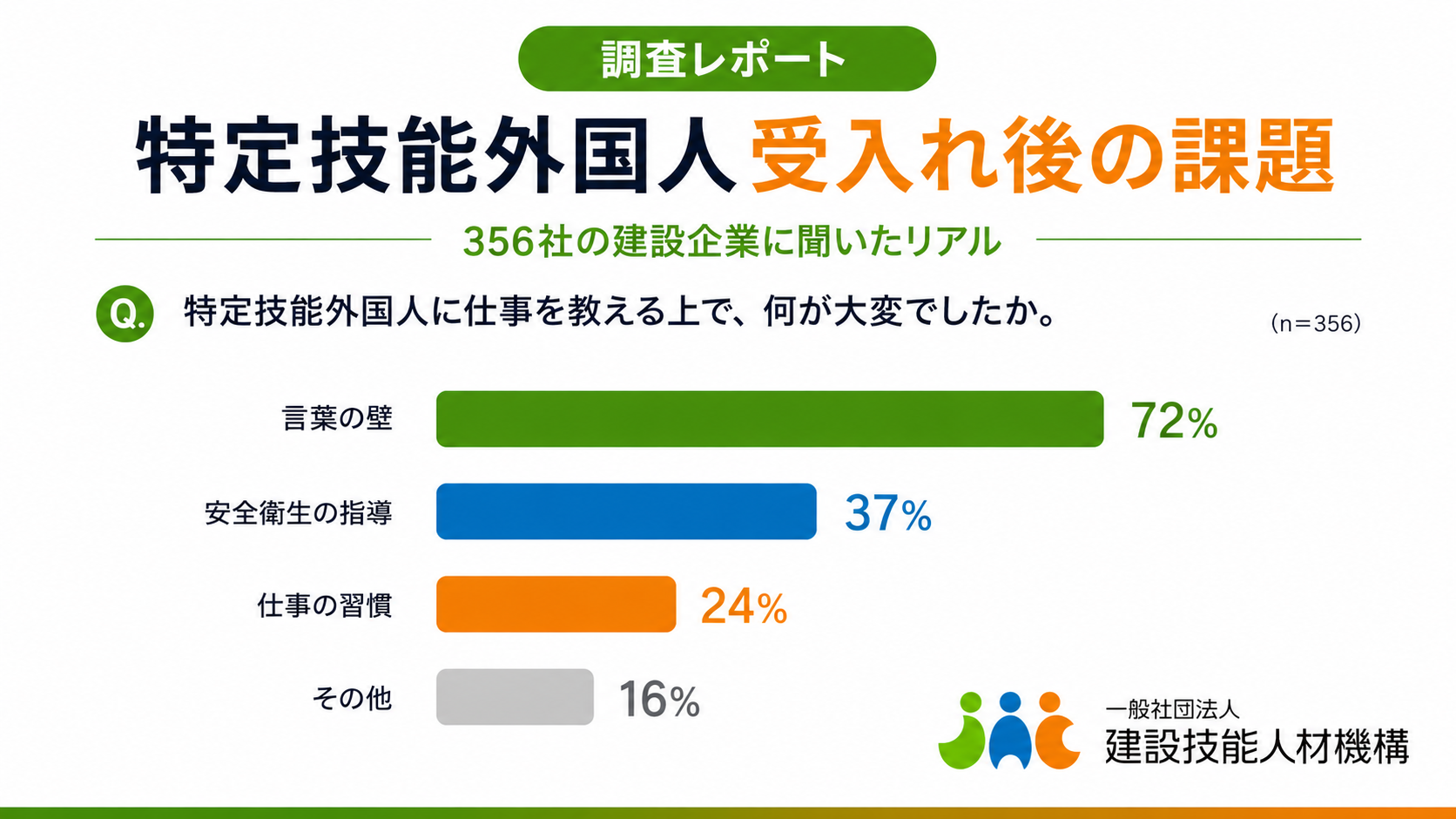
[Survey Report] Viewing from the Survey Perspective! Specified Skilled Worker Challenges After Acceptance
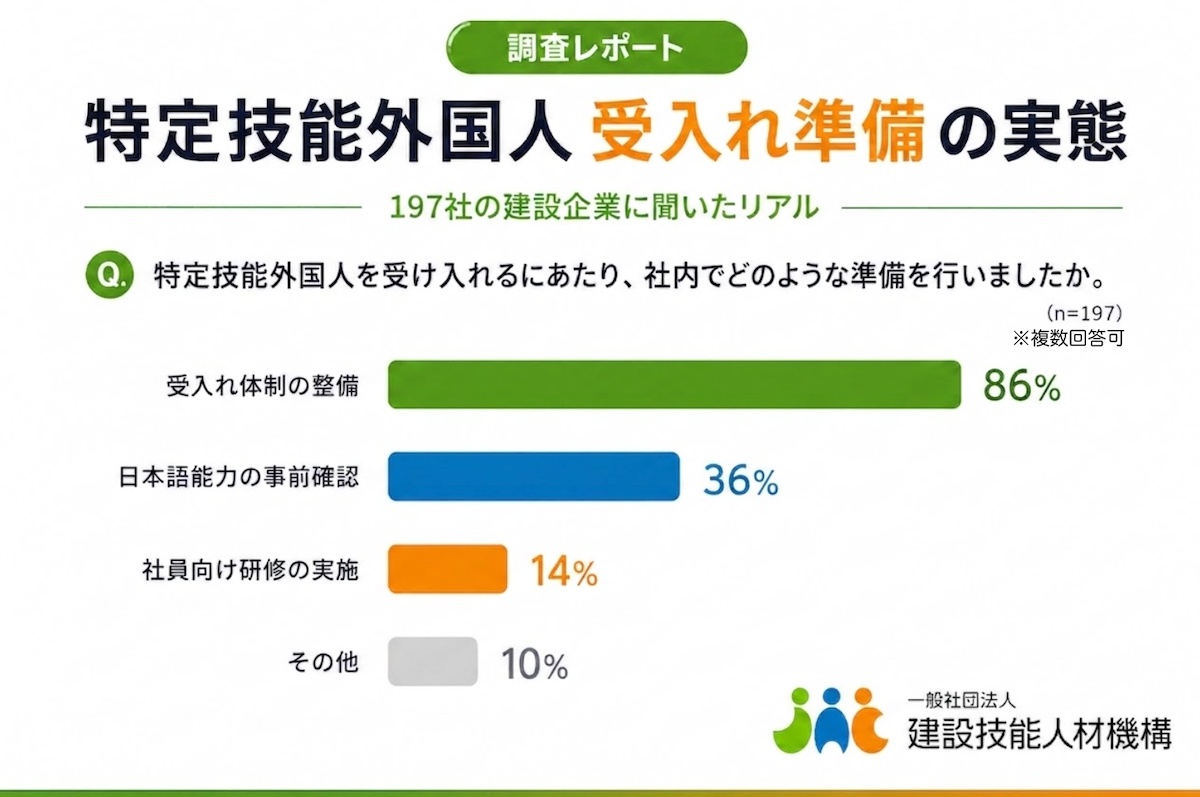
[Survey Report] Insights from Surveys! Specified Skilled Worker The Realities of Acceptance Preparation

Considering "Japanese language education" for foreign workers: What are the necessities and teaching methods?

What makes a workplace welcoming to foreigners? Key points for creating a workplace that companies should implement.