- やさしい日本語
- ひらがなをつける
- Language
We provide multilingual content through machine translation. Translation accuracy is not 100%. About the multilingualization of the JAC website





- Home
- JAC Magazine
- JAC Initiatives and Activities Report
- Report on the "Foreigner Coexistence Seminar 2026" for Japanese Employees: Intercultural Understanding Seminar ① Indonesia and Islam.
- Home
- JAC Magazine
- JAC Initiatives and Activities Report
- Report on the "Foreigner Coexistence Seminar 2026" for Japanese Employees: Intercultural Understanding Seminar ① Indonesia and Islam.

Report on the "Foreigner Coexistence Seminar 2026" for Japanese Employees: Intercultural Understanding Seminar ① Indonesia and Islam.
I wrote the article!

Japan Association for Construction Human Resources
Chief of Research and Development Department / Administration Department / Public Relations Department
Motoko Kano
(Kano Motoko)
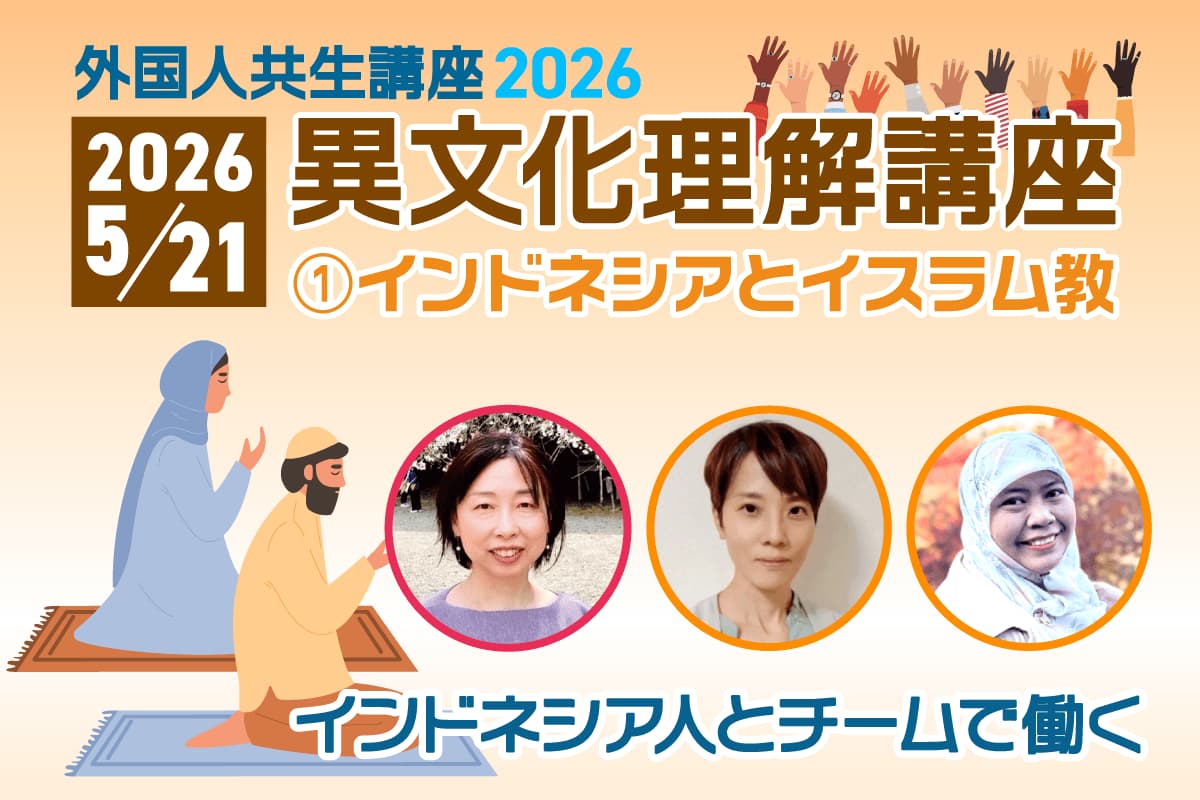
JAC is holding a series of six seminars on coexistence with foreign employees for Japanese employees, starting in May 2026.
This course is an improved version of the "Learning about Coexistence with Foreigners" course that was well-received in 2025, and the program has been designed to reflect the voices of those of you who are closer to the field.
On Thursday, May 21, 2026, we held the first "Intercultural Understanding Seminar ① Indonesia and Islam" in a hybrid format, combining in-person and online sessions.
The lecturer was Mr. Shiraishi from BREXA CrossBorder Co., Ltd., and the guest speakers were Mr. Araki, who has been involved in sending Indonesians to Japan for about 10 years, and Marisa, who has been in Japan for 9 years and is working to support Indonesian workers.
The very basics of understanding different cultures
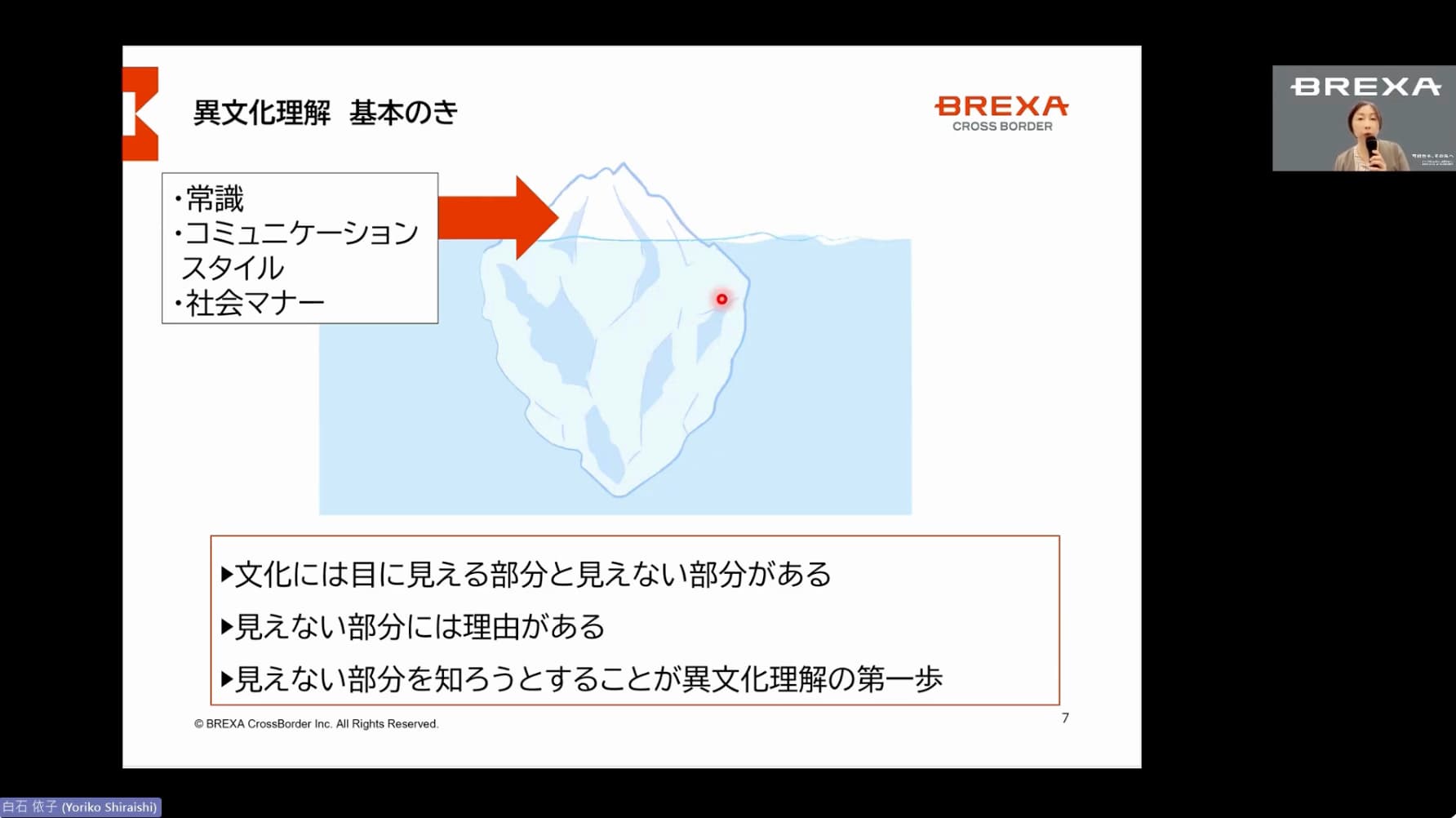
First, Mr. Shiraishi explained the "iceberg model," which serves as an entry point to understanding different cultures.
Even if you feel uncomfortable with the behavior of foreigners, there are underlying "invisible aspects" such as values and morals.
"There's a reason for what we can't see. Trying to understand it is the first step to understanding different cultures," he said.
And I learned about "assertive communication (mutual respect)" as a key to bridging cultural gaps.
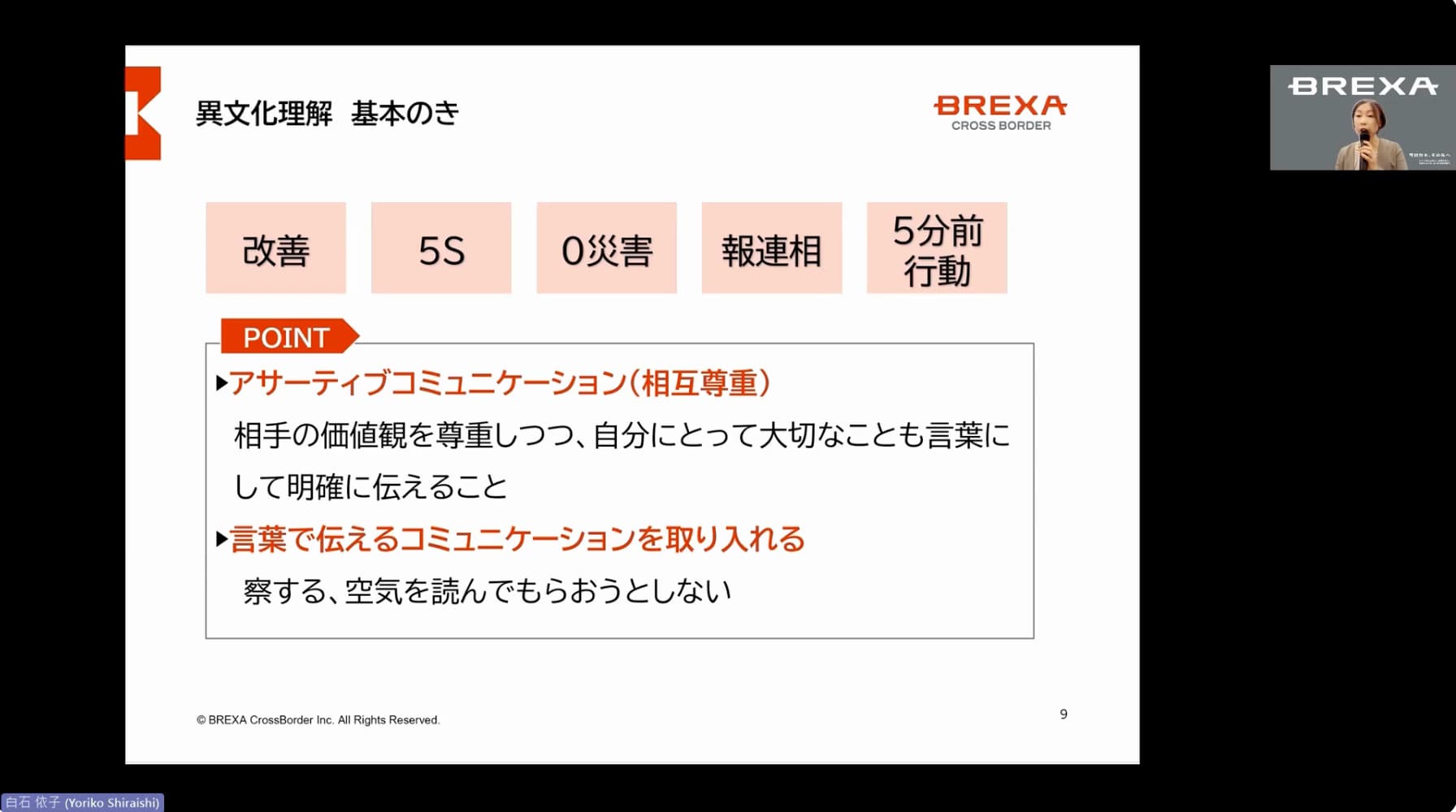
Respect the other person's values, while clearly communicating what is important to you in words.
It's important to communicate using words rather than expecting others to "read between the lines" or "understand the atmosphere."
Specific examples were given illustrating how casually telling someone wearing a hijab to "take it off because it's hot" or telling someone who doesn't drink alcohol to "go ahead and drink because God isn't watching" can deeply hurt the other person's "invisible culture."
They also prepared an awareness poster with the theme, "Because there are differences, how we communicate is important."
This book introduces three key points—that "reading the room" is unacceptable, that you shouldn't scold someone in front of others, and that you shouldn't make fun of someone's nationality, culture, or religion—along with illustrations of common situations that occur in the workplace.
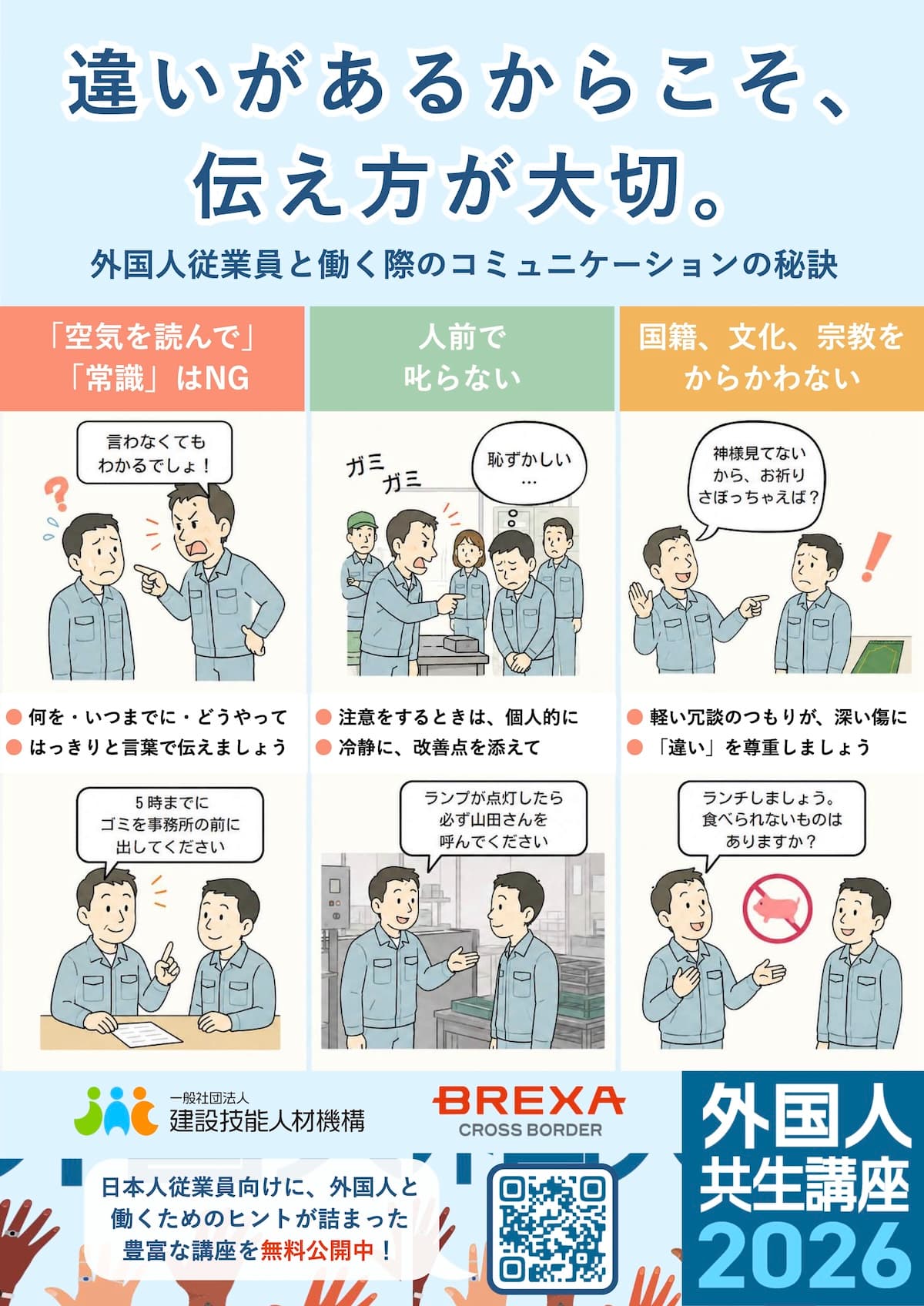
Poster: "Differences are what make communication so important."
Working in a team with Indonesians
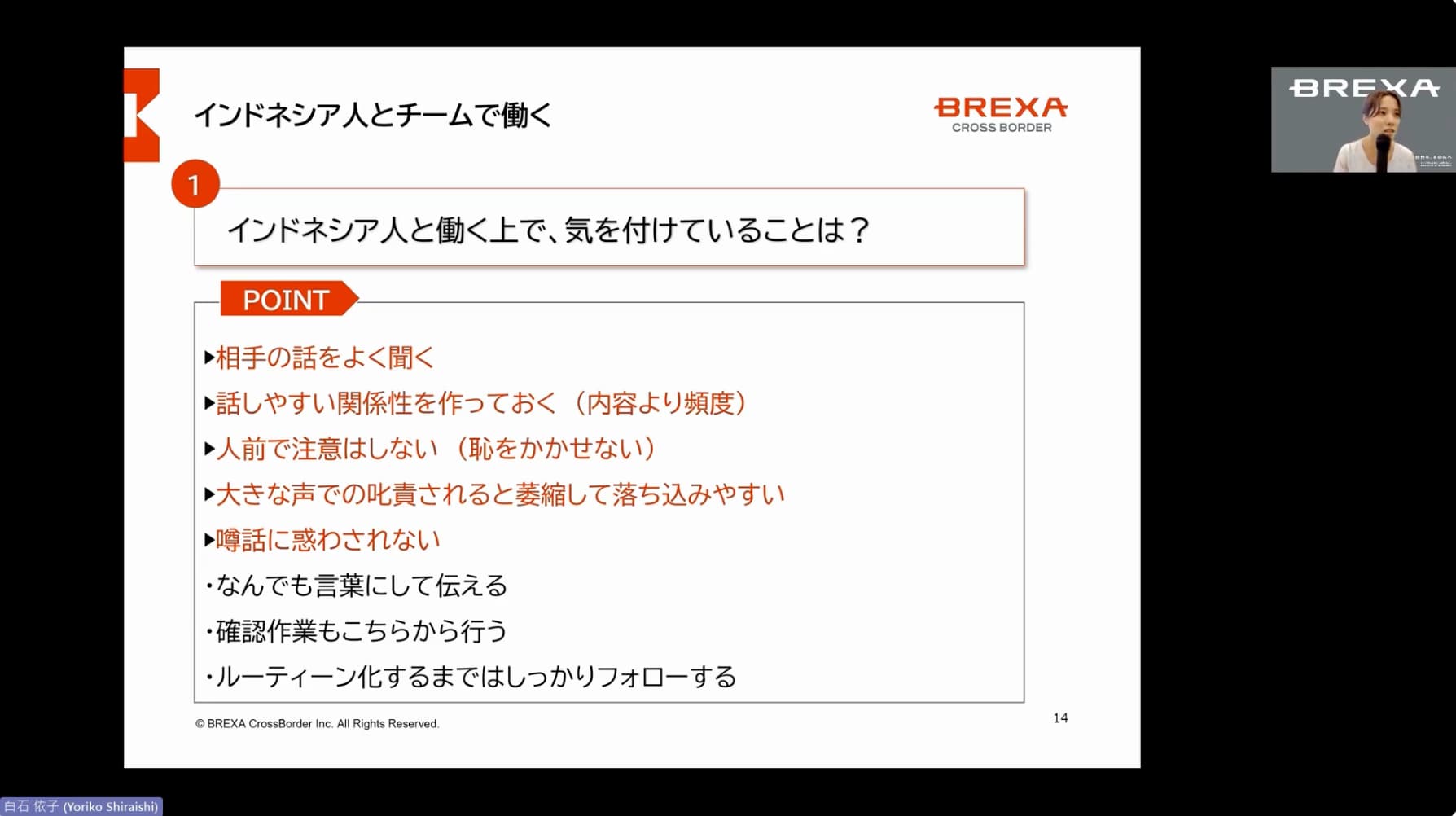
Next, Mr. Araki, who has been involved in dispatching workers from Indonesia for many years, shared some practical tips that can be used on-site.
First, let's talk about everyday communication.
The basics are to listen to the other person until they finish speaking, to create a comfortable relationship by asking questions like "Have you eaten?", and to avoid correcting them in front of others (because they are very sensitive to embarrassment).
When checking whether instructions have been understood, simply asking "Did you understand?" is insufficient. For important points, it seems that "repeat confirmation," where you have them repeat the instructions, is more effective.
Furthermore, social media is so widespread in Indonesia that almost everyone uses it.
While you will receive guidance on handling personal and corporate information on social media during pre-departure education, you may need to continue to be careful even after arriving in Japan.
Furthermore, most Indonesians are high school graduates, and many come to Japan without a clear vision of building a career in their home country.
Providing information about opportunities to develop skills in Japan and about qualification acquisition allowances seems to be a good way to boost motivation.
And one of the most common inquiries we receive from companies concerns "how to deal with religious matters."
Many of the questions from the participants concerned religion.
They told me that "if the conditions are clearly stated in advance during the hiring process, there are almost no mismatches after entering the country, and there are almost no cases of employees leaving due to a lack of religious considerations," so there's no need to worry excessively.
Because many of them are shy, it is important for the Japanese side to proactively initiate communication in the initial stages.
Working in Japan as an Indonesian
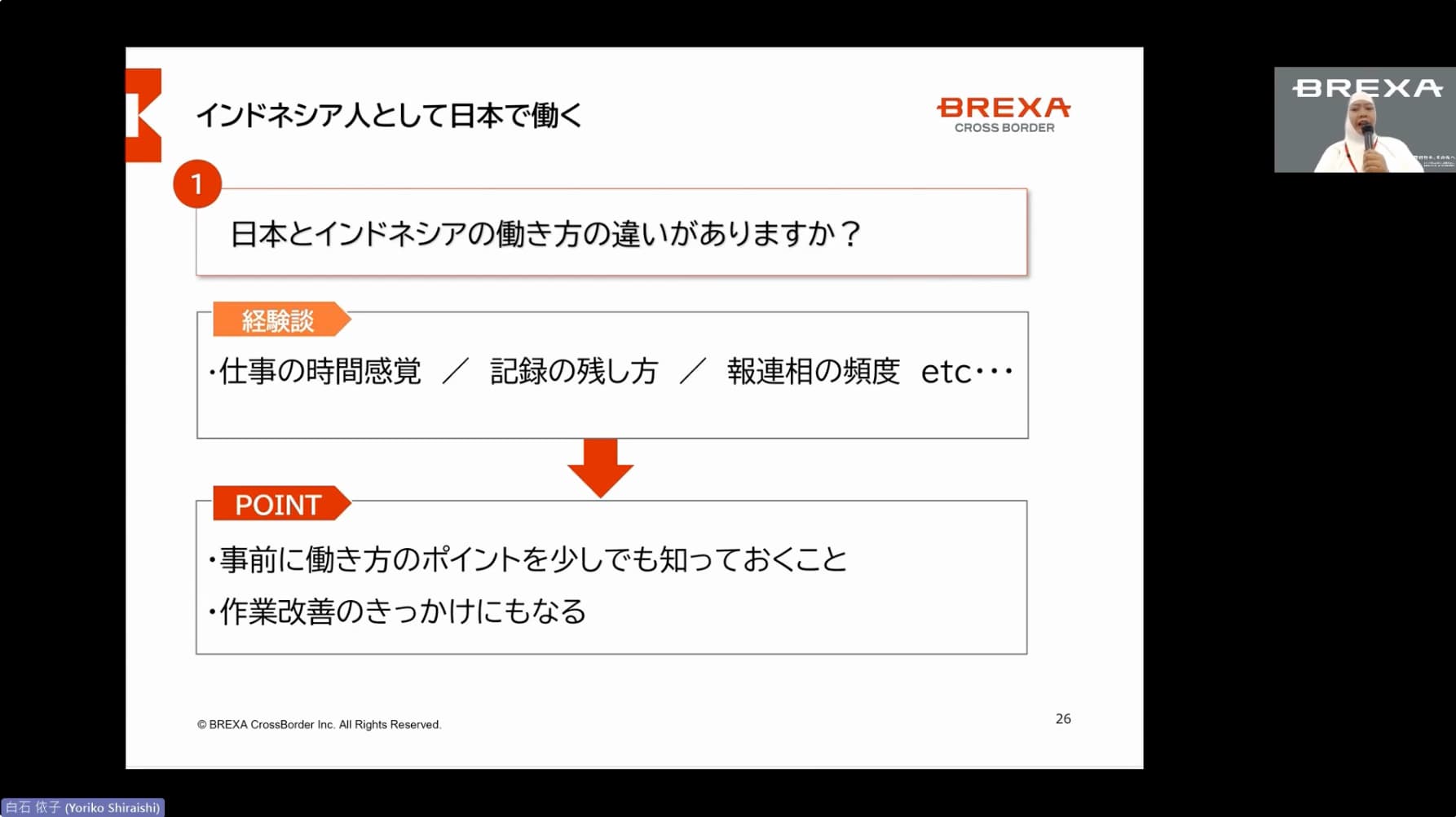
In the second half, Marisa shared her perspective as a foreign worker.
While Japan emphasizes reporting, contacting, and consulting, and making arrangements early, Indonesia has a more flexible approach that allows for adjustments later on.
Understanding differences and clearly communicating them verbally leads to a smoother workplace environment.
Regarding religious considerations, these words were particularly memorable.
"We came to Japan understanding that the environment is different from that in Indonesia. We don't want a situation where other employees have to endure hardships due to excessive consideration. A reasonable level of response is sufficient."
Then, the guest corner concluded with the words, "Since there are many shy people, everyone will be happy if you talk to us slowly and with smiles on the Plain Japanese."
At JAC, we offer a "Foreign Cooperation Course" for Japanese employees.
This course will help you acquire the knowledge and responsiveness necessary for coexisting with foreign talent, such as cross-cultural understanding and Plain Japanese that are easily understood by foreigners.
We also have a Q&A session, so please join us!
For details about the course, please see the "Foreigner Coexistence Course" page below.
Past lectures, including on-demand recordings, materials, and Q&A from those lectures, are also available.
"Training on Coexistence with Foreign Employees" for Japanese Employees
The operation of this course has been entrusted to BREXA CrossBorder Co., Ltd.
This article is a report on the "Intercultural Understanding Seminar ① - Indonesia and Islam -" held on Thursday, May 21, 2026, as part of the "Foreigner Coexistence Seminar 2026" for Japanese employees.
Seminar Video
Seminar Materials
Seminar materials_Intercultural Understanding Course (1) Indonesia and Islam 260521.pdf
Q&A_Intercultural Understanding Course (1) Indonesia and Islam 260521.pdf
Awareness poster: "Secrets to effective communication when working with foreign employees".pdf
Report on the "2026 Seminar on Coexistence with Foreign Employees" for Japanese Employees
The author of this article
Japan Association for Construction Human Resources
Chief of Research and Development Department / Administration Department / Public Relations Department
Motoko Kano
(Kano Motoko)


Born in Aichi Prefecture.
He is in charge of public relations, research and investigation, and is the person behind social media.
We update our social media accounts daily with the desire to make people fall in love with Japan, to spread the appeal of construction from Japan to the world, and to ensure that Japan's construction industry continues to be the industry of choice around the world.
He is also engaged in research into the feasibility of implementing skills evaluation exam in Asian countries, and is conducting interviews with local organizations in each country.
Related articles
Report on the "Foreign Workplace Coexistence Seminar 2026" for Japanese Employees: Basic Knowledge of Employing Foreign Workers
Report on the "2026 Seminar on Coexistence with Foreign Employees": Intercultural Understanding Seminar ② - Vietnam & India Edition
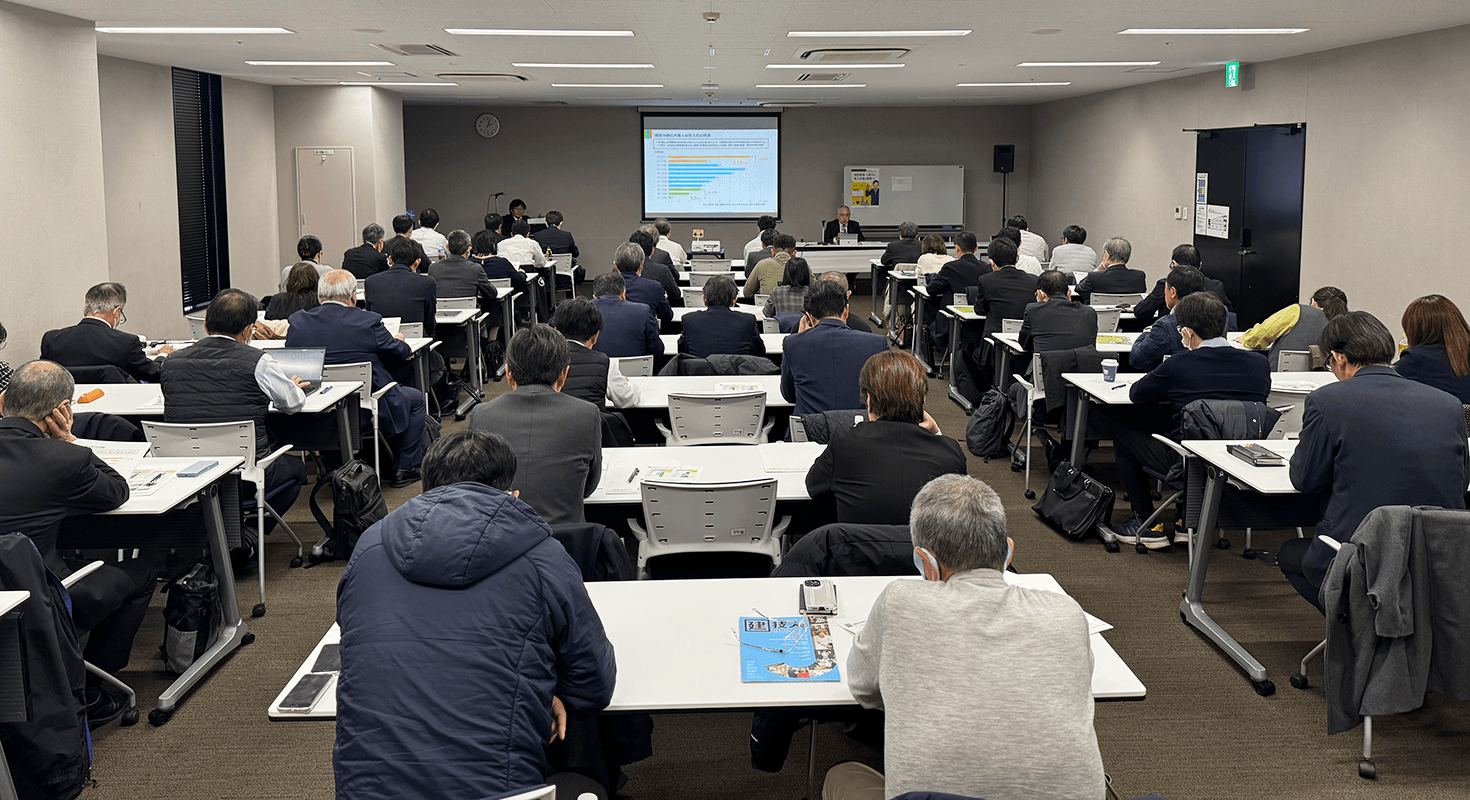
Specified Skilled Worker Recruitment 10 Questions from Construction Companies - FY2025 System Briefing Session Report (Omiya, Saitama)
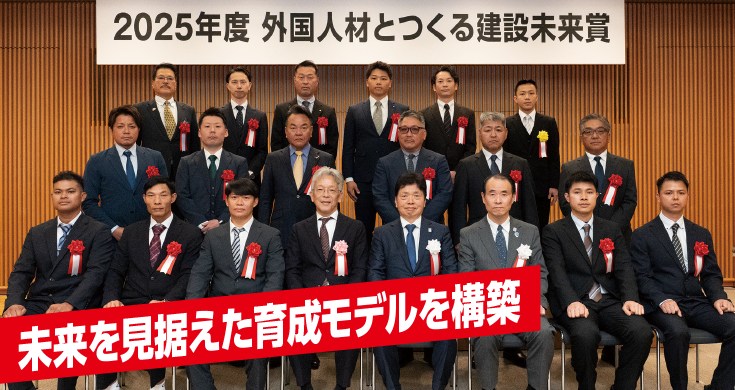
Report on the 2025 "Construction Future Award for Creating with Foreign Talent" <Receiving Companies / Excellent Examples of Foreign Talent Utilization Category> Award Ceremony