
- やさしい日本語
- ひらがなをつける
- Language
We provide multilingual content through machine translation. Translation accuracy is not 100%. About the multilingualization of the JAC website





- Home
- JAC Magazine
- JAC Initiatives and Activities Report
- Report on the 2025 "Construction Future Award for Creating with Foreign Talent" <Receiving Companies / Excellent Examples of Foreign Talent Utilization Category> Award Ceremony
- Home
- JAC Magazine
- JAC Initiatives and Activities Report
- Report on the 2025 "Construction Future Award for Creating with Foreign Talent" <Receiving Companies / Excellent Examples of Foreign Talent Utilization Category> Award Ceremony

Report on the 2025 "Construction Future Award for Creating with Foreign Talent" <Receiving Companies / Excellent Examples of Foreign Talent Utilization Category> Award Ceremony
I wrote the article!
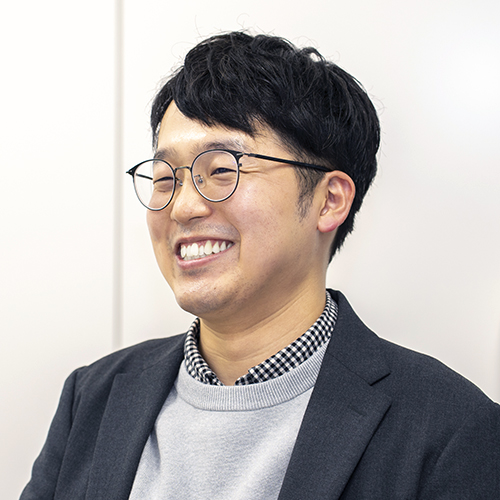

Japan Association for Construction Human Resources
Public Relations Department/Administration Department
Shohei Katayama
(Shohei Katayama)
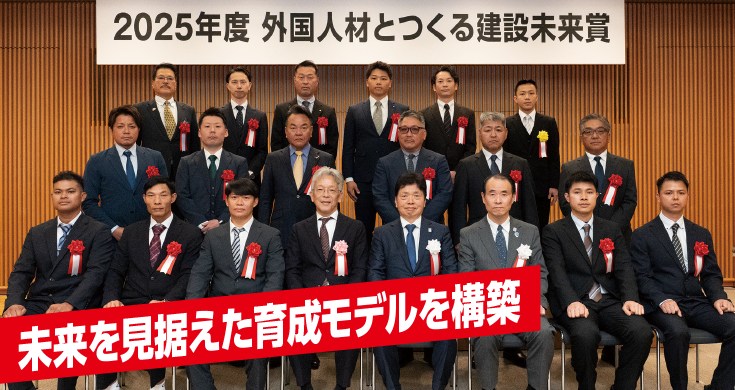
Building a training model that looks to the future
On Monday, December 22, 2025, the awards ceremony for the 2025 Construction Future Awards was held.
Here are comments and initiatives from the companies that received awards this time.
Introduction of the award winning companies
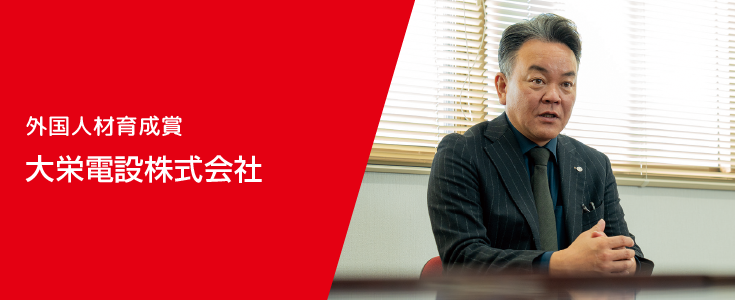
Founded in 1968, Daiei Electric Equipment Co., Ltd. has been recruiting Vietnamese Specified Skills human resources since 2024 and assigning interpreters to provide integrated support for "skills, language, and life". We have established a study room in the company to continuously prepare for the Class 1 and Type 2 electrician exams and provide Japanese language education. We also use translation materials and flashcards for technical terms. We reviewed the education system and developed manuals and on-the-job training plans. The effect has spread to Japanese employees as well. We have built a comprehensive training system such as language qualification allowances, job promotions, and holding life seminars, and have been evaluated for creating an environment where people can continue to work independently, and received the Foreign Human Resources Development Award.
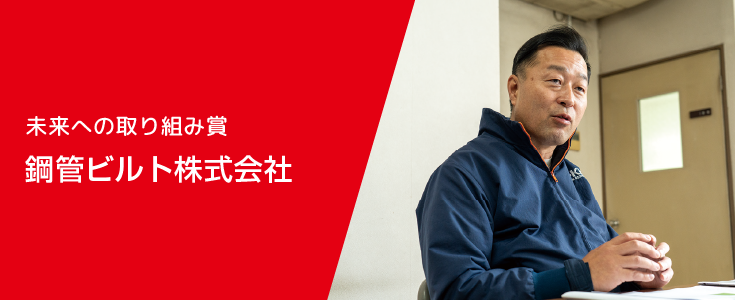
Steel Pipe Construction Co., Ltd. is a scaffolding specialist that is responsible for the design, construction, and dismantling of bike scaffolding. In cooperation with the sending organization in Indonesia, a one-month practical training was conducted locally. We combine training using our own equipment with Japanese-style safety education to build an integrated model that fosters ready-to-work capabilities even before coming to Japan. Even after joining the company, we provide foreman training and support for obtaining CCUS qualifications to create a path to Specified Skilled Worker (ii). In addition, we continue to improve our systems by regularly visiting local institutions and improving our systems. We have established a sustainable training scheme that connects overseas and domestically, and in recognition of its advancement, we received the Future Initiative Award.
 外国人材育成賞

M's Hold Co., Ltd.
Matsuwa Kogyo Co., Ltd.
Daiei Densetsu Co., Ltd.

Tabata Giken Kogyo Co., Ltd.
Fukushima Construction Co., Ltd.
Misugi Kogyo Co., Ltd.
 未来への取り組み賞
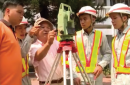
Earth Construction Consultants Co., Ltd.
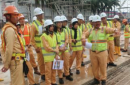
Obayashi Corporation
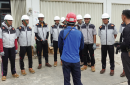
Steel Pipe Built Co., Ltd.
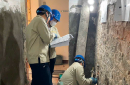
Takara Co., Ltd.
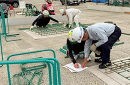
Nakatetsu Co., Ltd.
Kansai Steel Reinforcement Industry Cooperative Association
Award-winning company interview ①
Daiei Densetsu Co., Ltd.
Foreign Talent Development Award

A tripartite training system built around interpreting.
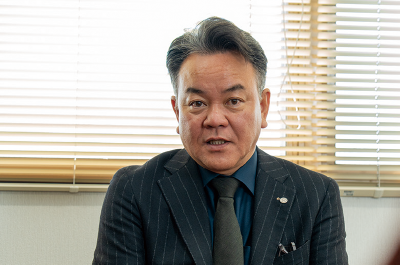
Representative Director: Seiji Shimohira
—Could you tell us about your specific learning support initiatives?
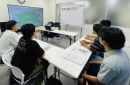
The training of foreign skilled workers is handled by a woman from Vietnam. In the two study rooms set up to accommodate the workers, they simultaneously practice the practical skills required for the electrical engineer's exam and learn Japanese, with her acting as an instructor. She uses flashcards with Vietnamese translations and photographic materials for technical terms, a system that evolved from cards she created to teach Vietnamese to the company president. She explains even difficult expressions in simple terms in Vietnamese, and supports the growth of each individual by adjusting her teaching methods according to their level of understanding.
—What kind of role do the female staff members play?
Having studied at a university in Aichi Prefecture and worked as an interpreter supporting foreigners, she joined our company because she was drawn to the fascinating world of electrical work. Now, she has obtained her Class 1 Electrician's license and is entrusted with providing technical guidance. Before exams, she conducts supplementary online lessons from her home, and she also provides support for daily life, such as accompanying her to banks and government offices. If she has any problems, she contacts me first, and we have established a process where we share information and solve problems one by one. I feel that our current support system is only possible because of her.
—What has changed as a result of the review of the education system?
Initially, there was a language barrier, so we thoroughly reviewed work procedures and created manuals, checklists, and on-the-job training plans. We discovered that they could work surprisingly quickly and accurately if communicated clearly, and this realization led to the development of our system. Furthermore, after receiving a warning from the city hall regarding garbage disposal, we started a "Life Skills Seminar" to teach them about garbage sorting and traffic rules. We also introduced a language reward system, creating a system that supports skills, language, and daily life in an integrated manner.
—Please tell us about the results of your efforts.
Within a year of joining the company, five employees passed the Class 2 Electrician's License exam. Some even scored nearly 90 points on the written exam, which honestly surprised me, making me wonder, "How are they being taught?" On-site, they act quickly when given clear instructions and help each other out. Their attitude is a great inspiration to the Japanese staff as well. Behind these results is undoubtedly the presence of our Vietnamese female staff member. Having someone who can convey not only the language but also the nuances of the exam and the on-site sense has dramatically increased the speed of training. Obtaining the qualification is just a stepping stone, but they are steadily growing into skilled workers who can take responsibility for their work.
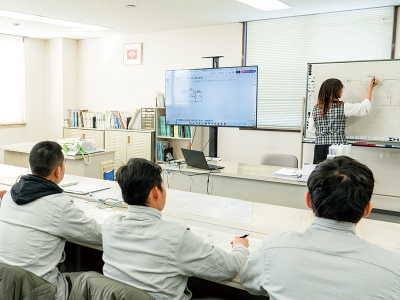
Japanese language classes taught by female instructors.
Award-winning company interview ②
Steel Pipe Built Co., Ltd.
Future Initiative Award

Building a long-term human resource development foundation through international collaboration
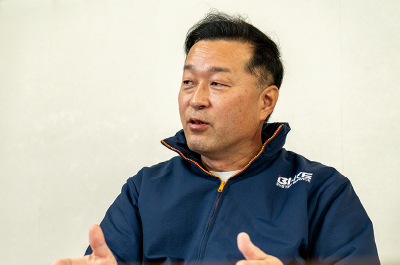
Director > Kensuke Nakayama
—Could you tell us about your specific initiatives?
Our company collaborates with Indonesian sending organizations to export Japanese scaffolding materials to Indonesia and conducts a one-month practical training course before trainees arrive in Japan. We provide instruction on everything from how to wear a full-body harness and use air-conditioned workwear to the names and handling of materials and safe handling techniques, all according to the same standards as in Japan. The goal is not simply to teach techniques, but to create a state where trainees can work safely on Japanese construction sites. By actually experiencing the work, they also understand the demands of the job, which helps prevent mismatches.
—How do you implement individualized development plans?
After joining the company, new employees undergo an interview with a dedicated interpreter. Instead of focusing on performance evaluations, we work together to understand their future aspirations and develop individualized training plans tailored to their goals and skill levels. For leadership candidates in particular, we provide supervisor and safety/health officer training under the guidance of in-house instructors certified by the Japan Industrial Safety and Health Association. We use the same checklists as our Japanese employees, standardizing safety criteria. By standardizing these criteria, we eliminate ambiguity in instructions and ensure a smooth work environment.
—Specified Skilled Worker (ii) training is being carried out with an eye on
Yes. In anticipation of the transition to Specified Skilled Worker (ii), we are gradually helping you obtain the necessary qualifications. By aiming for No. 2, we can see a change in the way we take on roles and responsibilities. Qualifications are not the end of obtaining, but are positioned as steps to connect to future work and positions. For leader candidates, I entrust the team leader to the actual site, and I also have them take charge of guiding juniors and confirming safety. We are promoting training while linking the acquisition of qualifications with roles in the field.
—How do you utilize external expertise?
We have improved these initiatives by utilizing JAC's individual consultation sessions and information exchange forums within industry organizations. We gather information on other companies' case studies and system implementation methods, and reflect this in the revisions of our own pre-arrival training and individual development plans. Rather than being fixated on our own methods, we refer to external examples and adjust them to suit actual on-site operations. We incorporate what we can and modify it as needed. Through this accumulation of efforts, we have gradually refined our current training system.
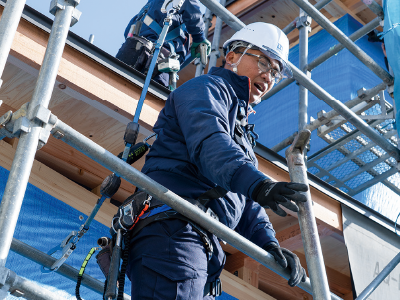
Teamwork is essential for scaffolding assembly.
About the "Construction Future Award for Foreign Talent"
In FY2023, the Minister of Land, Infrastructure, Transport and Tourism Award for Building the Future of Construction with Foreign Talents was newly established.
This award is for Specified Skilled Worker that have outstanding acquisition of construction skills and communication skills through Japanese, as well as host companies that are committed to developing foreign human resources and foreign human resources engaged in the construction industry, in light of the increasing importance of foreign human resources in securing medium- to long-term roles in the construction industry. By commending and widely disseminating the activities of many people who have made various efforts and ingenuity, we aim to promote coexistence with foreign human resources in Japan's construction industry and realize a sustainable construction industry. In FY2025, six Foreign Human Resource Development Awards and five Future Initiative Awards were awarded.
<Receiving Company Category> Award for Development of Foreign Talent
This award recognizes companies that are continuously and effectively working to improve the construction skills and working environment of foreign construction workers.
Target Audience
At the time of application, the company must meet one of the following criteria.
- A company that is continuously and effectively working to improve the construction skills, Japanese language proficiency, and working environment of foreign construction workers.
- At the time of application, foreign construction workers must be employed.
- Not having received the Foreign Talent Development Award in the past
Eligibility
Applicants may be self-recommended or recommended by others. (If recommended by others, approval from the applicant must be obtained.)
<Best Practices for Utilizing Foreign Talent Category> Award for Future Initiatives
The awards will recognize outstanding initiatives related to foreign workers in the construction industry across four themes: construction skills, Japanese language ability, coexistence, and business development.
Target Audience
Initiatives that meet all of the following criteria
- This is an ongoing initiative related to foreign human resources such as foreign skilled workers and foreign engineers working in the construction industry.
-
When applying, please select one of the four themes below that your application falls under.
- a
construction skillsInitiatives to improve the construction skills of foreign human resources
- stomach
Japanese language proficiencyInitiatives to improve the Japanese language skills of foreign workers in the construction industry
- cormorant
symbiosisInitiatives for coexistence between foreign workers in the construction industry and society
- workman
Business DevelopmentA new initiative launched in response to the acceptance of foreign workers into the construction industry
- a
- Even if you have previously applied for the "Construction Future Award with Foreign Talent," you may resubmit your application including the content of your previous application if there is new content or additional reasons compared to your previous application.
Eligibility
Self-nominations and nominations by others are both accepted. (If nominating someone else, please obtain approval from the organization undertaking the project.)
Photo Gallery
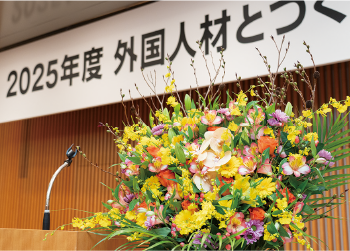
The awards ceremony will be held on December 22, 2025.

The ceremony will be held at the Prefectural Hall (Chiyoda-ku, Tokyo).
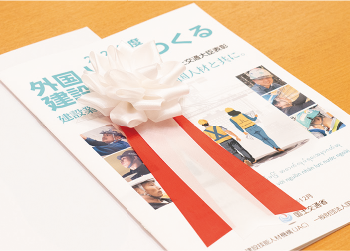
Recognizing the host company's daily efforts and efforts
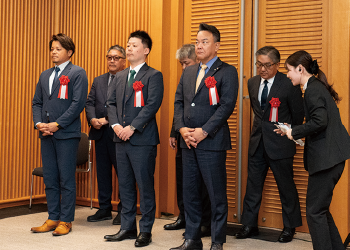
The award winners gathered at the venue
Scenes of the recipients of the Foreign Talent Development Award
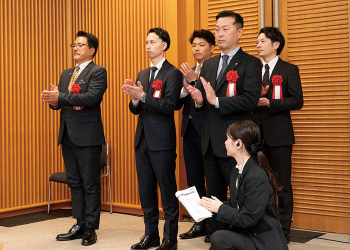
The recipients of the Future Initiatives Award
The author of this article
Japan Association for Construction Human Resources
Public Relations Department/Administration Department
Shohei Katayama
(Shohei Katayama)
Born in Fukushima Prefecture.
I am currently working as a public relations officer.
In public relations, I cover the advanced initiatives of companies that accept Specified Skilled Worker in the construction field, and write articles and disseminate information.
In addition, we continue to disseminate information every day with the desire to let foreign workers working in Japan know more about the charm of Japanese culture and the way they think about work.
Related articles
Report on the "Foreign Workplace Coexistence Seminar 2026" for Japanese Employees: Basic Knowledge of Employing Foreign Workers
Report on the "2026 Seminar on Coexistence with Foreign Employees": Intercultural Understanding Seminar ② - Vietnam & India Edition
Report on the "Foreigner Coexistence Seminar 2026" for Japanese Employees: Intercultural Understanding Seminar ① Indonesia and Islam.
Specified Skilled Worker Recruitment 10 Questions from Construction Companies - FY2025 System Briefing Session Report (Omiya, Saitama)






Comments from the winning companies
In addition to providing scaffolding technology and Japanese language education to foreign nationals, we are committed to improving their human capabilities through Bushido and the Analects of Confucius. We strive to create an environment where multicultural individuals can grow together.
It is encouraging to have our hard work and dedication to honing our skills together on the same job site recognized. We will prioritize safety in our training and contribute to the future of the construction industry.
We are committed to creating a safe and secure working environment. It is a great honor that the efforts and challenges of each and every employee have borne fruit and led to this award. We will continue to dedicate ourselves to employee development.
It is important that all employees, regardless of nationality, are treated equally and that the company is a place where people want to work for the long term. We will strive to create a system where both parties can create synergy and grow together.
To meet their desire for skill improvement, we have focused on fostering an environment within the company where they can enhance their skills and exchange ideas. We will continue to strive to cultivate outstanding skilled workers.
I would like to express my gratitude to all my colleagues, including the Indonesian skilled workers I work with, and I will continue to strive to create a safe and growth-oriented work environment. Thank you for your continued support.
As a small-to-medium-sized enterprise in Miyazaki Prefecture, we have been working for over 10 years to address the labor shortage in Japan's construction industry and to improve the working conditions of Vietnamese workers. Thank you for recognizing our efforts.
Going forward, we want to continue having foreign personnel handle advanced tasks such as construction management and design support, maximizing their abilities and creating an environment where they can immediately contribute as valuable assets.
We have been working to create an environment where foreign skilled workers can quickly adapt to the worksite and work with peace of mind. Going forward, we will continue to support each other as colleagues and strive to achieve safe and high-quality scaffolding construction.
Our cross-border collaborative efforts, which prioritize education and circulate value back to the field, local communities, and our home country based on trust, have borne fruit. We will further enhance our implementation capabilities, which will shape the future of construction.
Kansai Steel Reinforcement Industry Cooperative Association
We will do our best to understand the importance of foreign human resources and to improve their construction skills and educate them to become Specified Skilled Worker (ii) so that they can work for a long time and want to work.